
Cristiano Ronaldo Breaks His Silence: The Real Truth Behind His National Team Departure
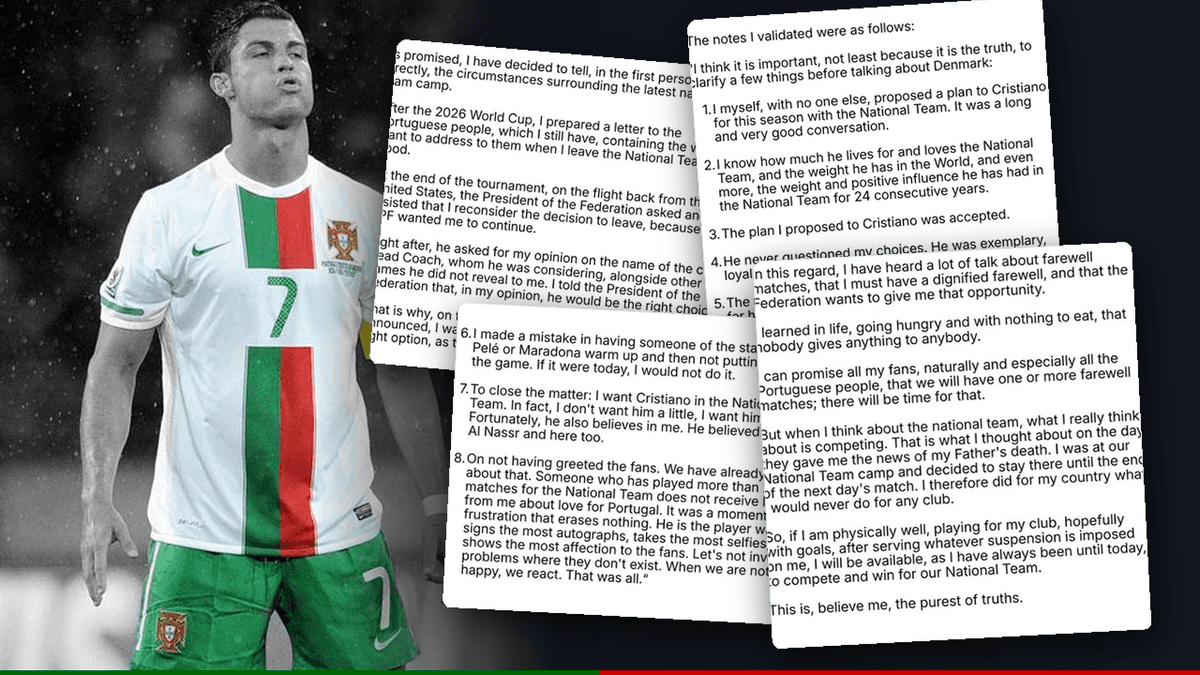
In the middle of the international break, news that Cristiano Ronaldo had abruptly departed the Portugal camp reverberated across the globe within minutes.
Sensational headlines labeled it "The Captain's Desertion" or "The Revolt of a Benched Superstar," while subtle hesitations in his teammates' comments fueled an eerie atmosphere outside the pitch. For many football supporters without direct access to original sources, the burning question was simple: why would he act so recklessly now?
Yet, when one reads the comprehensive statement that Ronaldo finally published on his own social channels, a completely different reality comes into sharp focus.
What lay written there was never the tantrums of an entitled veteran.
It was the unvarnished account of a man who, past the age of forty, pushed himself to the absolute limits of physical preparation to fulfill his sacred duty as captain, only to have his sincere professionalism and dignity trampled upon.
He shared his voice directly with the world on Instagram.
https://www.instagram.com/p/DeKiM9wAEqU/
What Truly Happened: A Captain’s Mission Trampled
The roots of this episode trace back to the aftermath of the 2026 World Cup.
Having concluded the tournament, Ronaldo had already resolved to take off the national shirt he had worn for over two decades. He had drafted a poignant farewell message to his countrymen, prepared to step aside with grace.
However, the President of the Portuguese Football Federation earnestly implored him to stay and steady the squad.
Furthermore, the newly appointed manager reached out directly, assuring him: "You are an indispensable pillar of my project." Persuaded by this conviction, Ronaldo made the conscious choice to continue.
He did not cling to his status for ego.
He accepted the captain's armband once more because his nation and its new hierarchy had explicitly asked him to shoulder that burden.
And having committed, Ronaldo had zero intention of showing up half-heartedly.
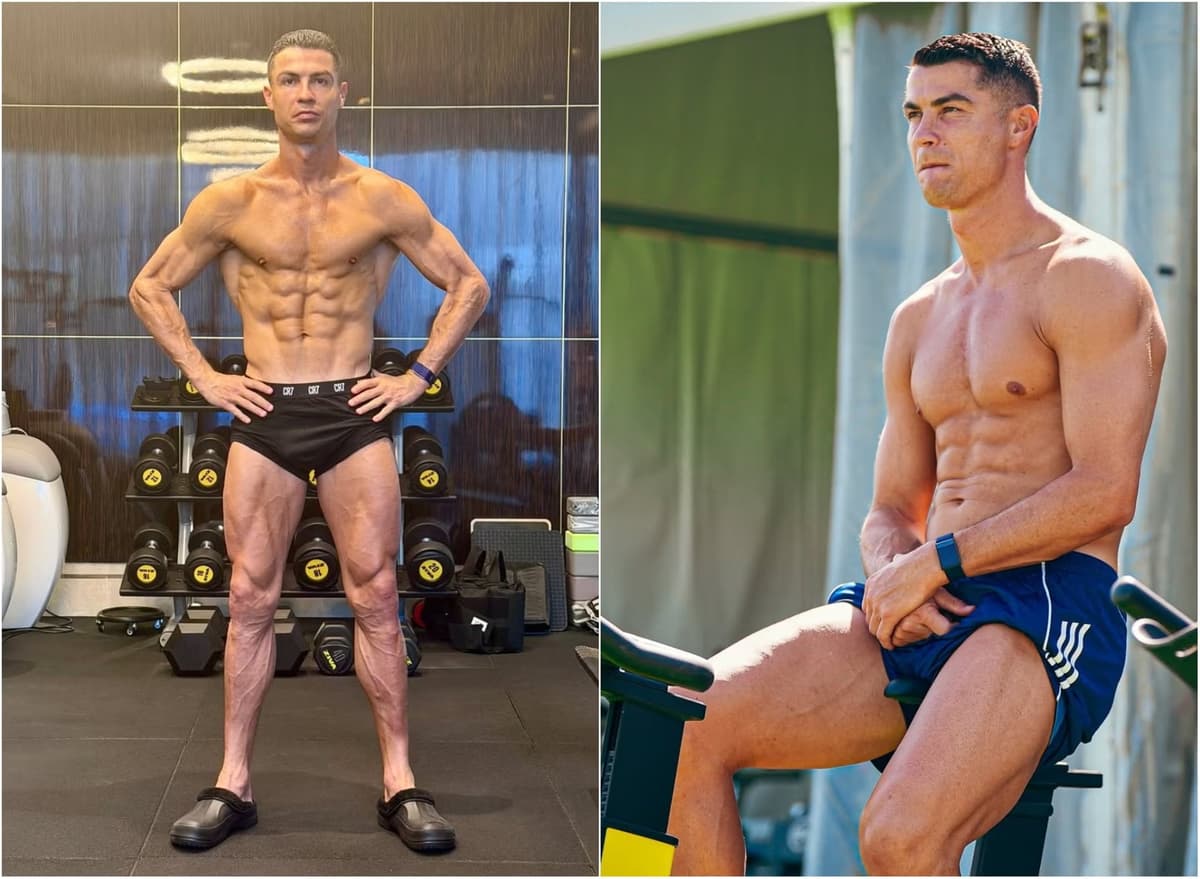
What does it truly take for a footballer over forty to maintain elite performance on the international stage?
It is not a matter of casually reporting to camp and running through identical drills like someone in their twenties. Managing cardiovascular load, minimizing muscular fatigue, and practically eliminating injury risks in an unforgiving schedule requires meticulous planning down to the minute.
In tight coordination with Al-Nassr, Ronaldo worked out a detailed conditioning blueprint with the national team manager well in advance of the international fixtures.
This was never a demand for privilege; it was "the non-negotiable minimum of professional preparation required to execute the responsibilities of captaincy at the highest level."
Recognizing the strain, the manager himself had proposed that Ronaldo sit out the away trips to Norway and Denmark, remaining in Portugal to rest and condition.
Ronaldo, however, declined that concession.
"Even if the plan is not to feature in the match, I am the captain. Taking an individual privilege to stay behind sets the wrong standard for the group," he insisted, choosing to travel with his team.
Yet on the matchday against Norway, the reality unraveled unexpectedly.
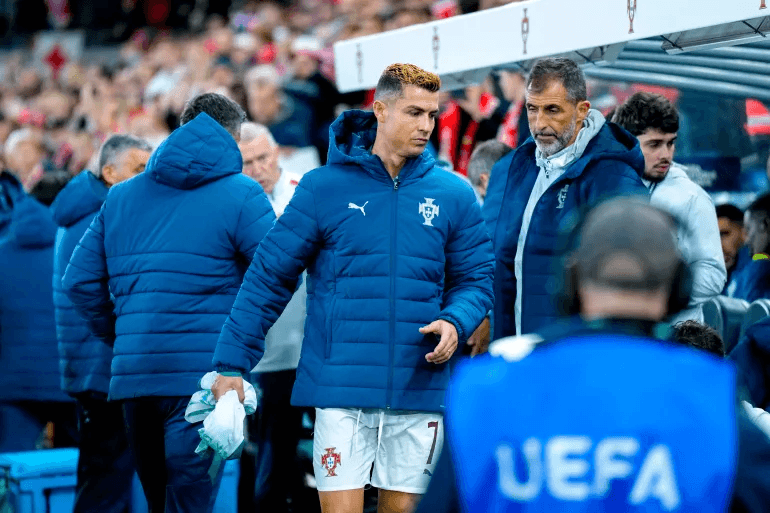
During lunch, the manager abruptly approached him: "Can you give us thirty minutes today?" It was an unexpected pivot that clashed with their agreed recovery schedule, but Ronaldo answered as a committed professional: "Yes." As instructed, he spent the entirety of the second half warming up diligently along the touchline.
Until the final whistle blew, his name was never called.
In football, match circumstances evolve, and tactical substitutions change. Ronaldo understands that better than anyone.
What cut deeply was not sitting on the bench. It was having weeks of finely calibrated physical readiness disrupted without hesitation, being ordered to warm up for forty-five minutes, and then being discarded after the final whistle without a single word of explanation or acknowledgment from his manager.
After the match, Ronaldo left the stadium without speaking to anyone and missed greeting the traveling supporters. In his statement, he owned up to this without excuses: "Regardless of the circumstances, failing to salute our fans was entirely my fault."
Even while regretting that lapse in composure, the manager's utter disregard for professionalism opened an irreparable fissure.
The Meeting Two Days Later, and the Betrayal at the Press Conference
Two days following the clash with Norway, rather than letting hostility fester, Ronaldo sought a calm, professional sit-down to resolve the situation.
Three people sat at the table: Ronaldo, the national team manager, and Simon Coutinho, head of operations at Al-Nassr, who attended to facilitate an objective dialogue.
Laying out honestly what had transpired, both sides reached a firm agreement: at the opening of the official press conference the next day, the manager would candidly share with the media the truth acknowledged behind closed doors.
The manager committed to clarifying two fundamental points:
That the management had asked Ronaldo to continue as captain for the season, and that Ronaldo had accepted their operational plan with exemplary professionalism.
That despite their predetermined plan, asking him unexpectedly to play, having him warm up, and subsequently leaving him unused was solely "the manager’s own error."
Acknowledging his mistake, the coach promised to speak transparently before the cameras, even embracing Ronaldo warmly as they parted.
On the morning of the press conference, Ronaldo reiterated his openness to both the federation president and the manager:
"If I am no longer needed, simply tell me honestly. No one needs to be angry; I will prepare an honorable departure."
If he had become an obstacle to the team, he was entirely prepared to step away with grace. Yet both president and manager answered in unison: "Your place is right here with the Seleção."
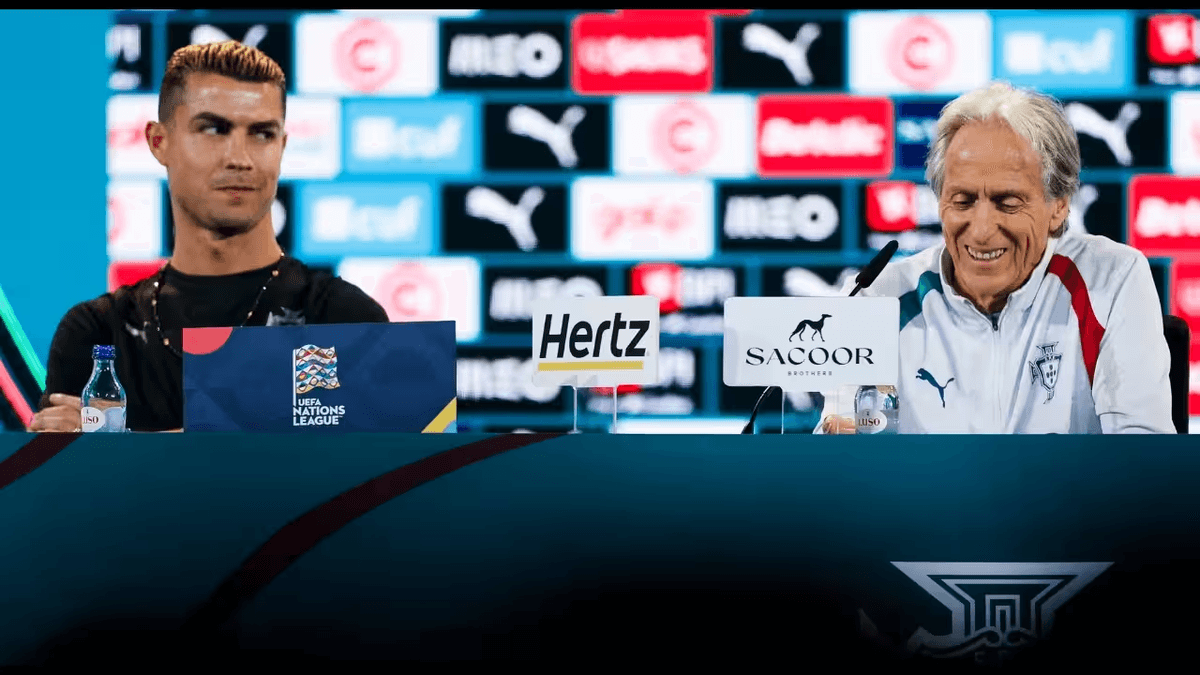
Hours later, however, an astonishing scene unfolded in the press room.
Taking the podium, the manager reneged completely on his word. Far from voicing the agreed truth, he adopted an aggressive, haughty tone that subtly shifted blame onto Ronaldo, publicly throwing his captain under the bus.
To plead error and embrace in private, to assure him of his worth in the morning, only to frame him as the villain on television to preserve one's own standing—this duplicity pushed Ronaldo past his limit.
The Decision to Walk Away, and Refusing to Fade Into Retirement
Upon witnessing the press conference, Ronaldo packed his bags and departed the national team camp.
This was never a petulant boycott born of bruised pride over missing minutes.
It was a definitive, non-negotiable boundary: "I cannot wear this crest under a leader who lacks professional integrity and the courage of truth."
"To me, the most essential pillar of human relationship is truth. However painful it may be, speak the truth. Refusing to wait for yet another broken promise, I chose to leave the camp."
Ronaldo offered a heartfelt apology to his teammates and the Portuguese public for the manner of his exit, while making it unequivocal that he would accept any disciplinary sanction from the federation without seeking leniency.
"Because I am the captain, and that title carries uncompromising responsibility." He had no intention of evading accountability.
Simultaneously, he obliterated the patronizing narrative circulating among commentators that the federation should arrange a polite testimonial farewell match to close his chapter.
"I hear whispers of a farewell match, that the federation wants to offer me a gentle tribute. But throughout my entire life, nobody ever handed me anything for free. A place on the pitch is never granted as charity; you fight for it with your own hands. On the day my father passed away, I stayed in the national camp and played the very next day. For my country, I gave what I would never give to any club."
Ronaldo was not pleading for sympathy, nor was he retreating into wounded retirement.
"Once any sanctions imposed by the federation are served, if I deliver on the pitch for my club and my body remains sharp, I stand ready to return and win for Portugal at any moment."
If required, he will prove his rightful place once again through merit and goals. From beginning to end, the engine driving him is fierce professionalism and unyielding pride.
The Perspective We Must Hold Amid the Noise: Truth and Respect on the Pitch
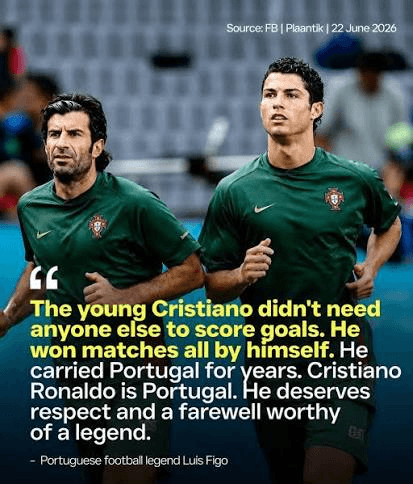
Glancing merely at tabloid headlines, it is easy to reduce the story to "an arrogant veteran storming home after being benched."
Yet why have seasoned players and respected pundits rallied to Ronaldo's defense rather than condemning him?
Because those who have lived the unforgiving reality of top-flight football know the immense torture of honing an aging body through relentless fixtures. They understand the visceral rage of a captain whose selfless dedication was treated with utter carelessness.
We need not be swayed by clickbait narratives or sensationalized soundbites.
For over two decades, what he has demonstrated on the grass—the goals scored, the trophies captured, the impossible victories authored—is an unshakeable reality witnessed with our own eyes, not through filtered editorial copy.
This is not a call for blind adulation. It is a reminder to look past the superficial noise, verify the primary words spoken by the athlete himself, and sustain legitimate respect for what these players have surrendered to the pitch.
Decades of earned reverence should never be discarded over a single manufactured scandal. And that standard applies not just to Cristiano Ronaldo, but to every warrior who lays their soul bare on the green pitch.
https://www.instagram.com/p/DeKiM9wAEqU/