The summer of 2006.
Behind the euphoric ecstasy of Italian citizens celebrating their fourth World Cup crown under the starry sky of Berlin, the domestic game was imploding in real time.
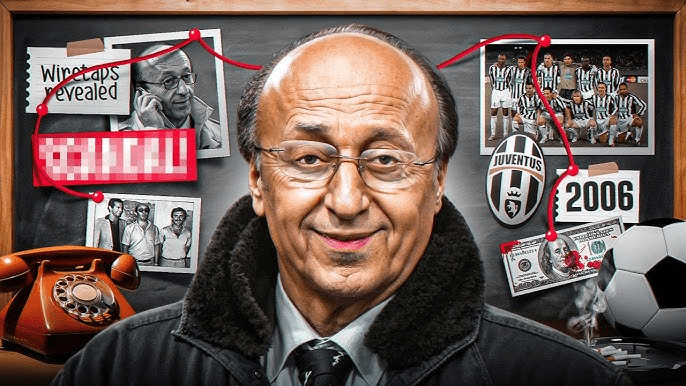
The greatest scandal in football history, allegedly unmasking an omnipotent "system" anchored at the summit by Juventus through intercepted telephone recordings: Calciopoli.
Juventus were stripped of two consecutive Scudetti and cast into the purgatory of Serie B.
General Manager Luciano Moggi, framed as the supreme puppet master, was banished permanently from the footballing world.
Yet was the reality ever as neat and monochromatic as the headlines suggested?
The enduring public myth of "bribed referees" never, in fact, existed in the judicial record.
And what if the very architects of that moral reckoning were tainted by the exact same shadows?
This is an inquiry cast beneath the polished veneer of history as written by the victors, re-examining the unresolved truth of the forfeited throne.
1. What Truly Was “Calciopoli”?
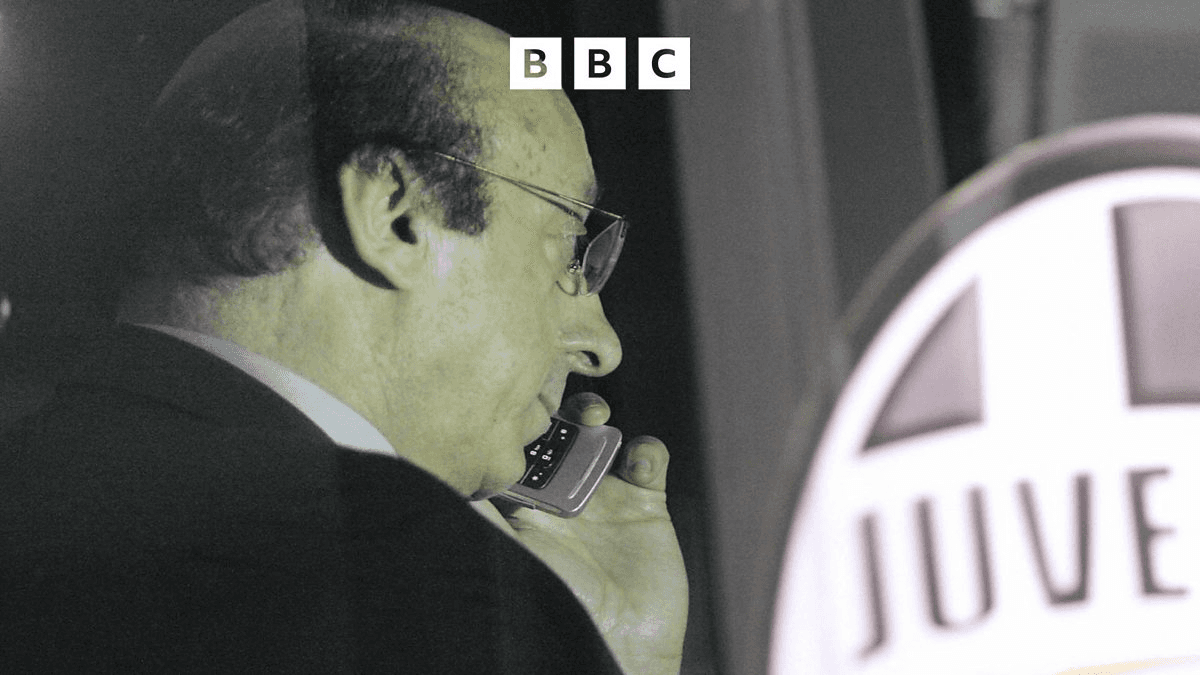
Exploding into public view in May 2006, the scandal shook Italian football to its bedrock.
At the epicenter of the investigation led by Turin prosecutors lay mountains of wiretapped phone conversations between club executives and referee association authorities.
Above all, dialogue between Juventus General Manager Luciano Moggi and referee designator Pierluigi Pairetto was deemed catastrophic evidence.
The calls recorded discussions demanding the assignment of favored match officials or sharply rebuking refereeing performances—conduct perceived as distorting sporting fairness.
The sporting tribunal’s verdict was merciless:
- Juventus: Stripped of the 2004–05 and 2005–06 Scudetti; relegated to Serie B with a 9-point handicap.
- AC Milan, Fiorentina, Lazio: Assessed significant points deductions.
The monarch of Calcio was dethroned and its badges torn away. Most contentious of all, the 2005–06 title was handed over the boardroom table to third-placed Inter Milan—igniting a bitter, generational enmity that poisons the peninsula to this day.
2. The Ruler Known as Luciano Moggi
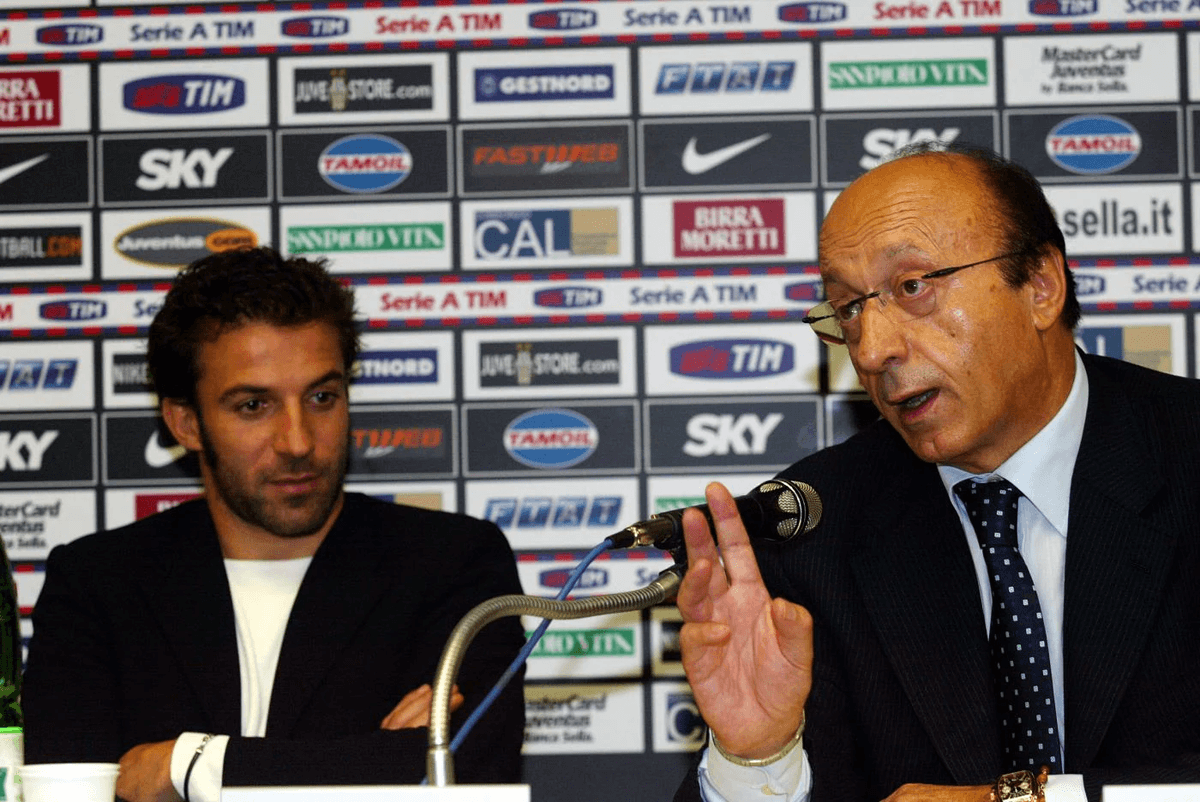
At the center of this tectonic earthquake stood Luciano Moggi.
A self-made titan who began life as a humble railway station clerk, he ascended to rule the transfer market through supreme negotiation instincts and a sprawling web of informants, feared across Europe under the moniker "Lucky Luciano."
His phone directory was an imperial roster of players, agents, referees, journalists, and government ministers; a single call from his handset could redirect the fortunes of a dynasty.
Zinedine Zidane, Zlatan Ibrahimović, Fabio Cannavaro—the royalty he brought to the Stadio Delle Alpi was legion.

Moggi’s ethos was unambiguous: "Exhaust every earthly means to win."
Yet where did ruthless executive mastery end, and illicit corruption begin?
That blurry, contested boundary remains the beating heart of Calciopoli.
3. The Core of the Indictment: Relationships, Not Bribes

The most vital truth to establish about Calciopoli—and one persistently distorted in popular lore—is that not a single instance of financial bribery or match-fixing was ever proven.
What the prosecution targeted was not brown paper bags of cash, but an intangible web of psychological "influence" woven through wiretapped dialogue.
The tapes revealed three primary categories of conduct:
- Lobbying for preferred officials by recommending them as "capable referees."
- Berating referee designators over contested weekend decisions.
- Contacting referees directly to exert atmospheric and psychological pressure.
None of this constituted direct match manipulation. However, it was deemed to have fostered a club-referee climate of complicity and reciprocal favors, creating fertile soil for biased officiating.
Moggi had sought to dominate an unwritten game of psychological hegemony. And that, the sporting judges decreed, constituted "structural sporting fraud."
4. “Everyone Did It”: The Buried Counter-Evidence

Throughout the trials, Moggi and Juventus maintained an unwavering defense:
“What we were doing was what every other major club was doing.”
Initially, this defense was dismissed as the desperate deflection of a fallen king. Yet years later, the narrative fractured.
Troves of previously unexamined wiretaps—mysteriously overlooked during the rushed 2006 investigation—surfaced in ordinary courts.
Among them were crystal-clear recordings of Inter Milan’s late, revered president, Giacinto Facchetti, engaged in intimate, private conversations with referee designators.
The transcripts were strikingly identical to Moggi’s: discussing assignments, expressing referee preferences, and seeking subtle advantages.
Moggi had not invented the mechanism; he had merely proven to be the most ruthlessly effective operator within an existing culture. His infamous adage captures the cynicism of the era:
“The system? The system functioned identically for everyone. The only difference is that Juventus won, and the others lost.”
By the time the full Facchetti recordings were formally examined in 2011, the sporting statute of limitations had long expired. Inter were untouchable.
And so the fable of Juventus as the solitary cancer of Italian football was cemented into orthodoxy.
5. The Verdict of the Ordinary Courts: The Reality of Non-Conviction
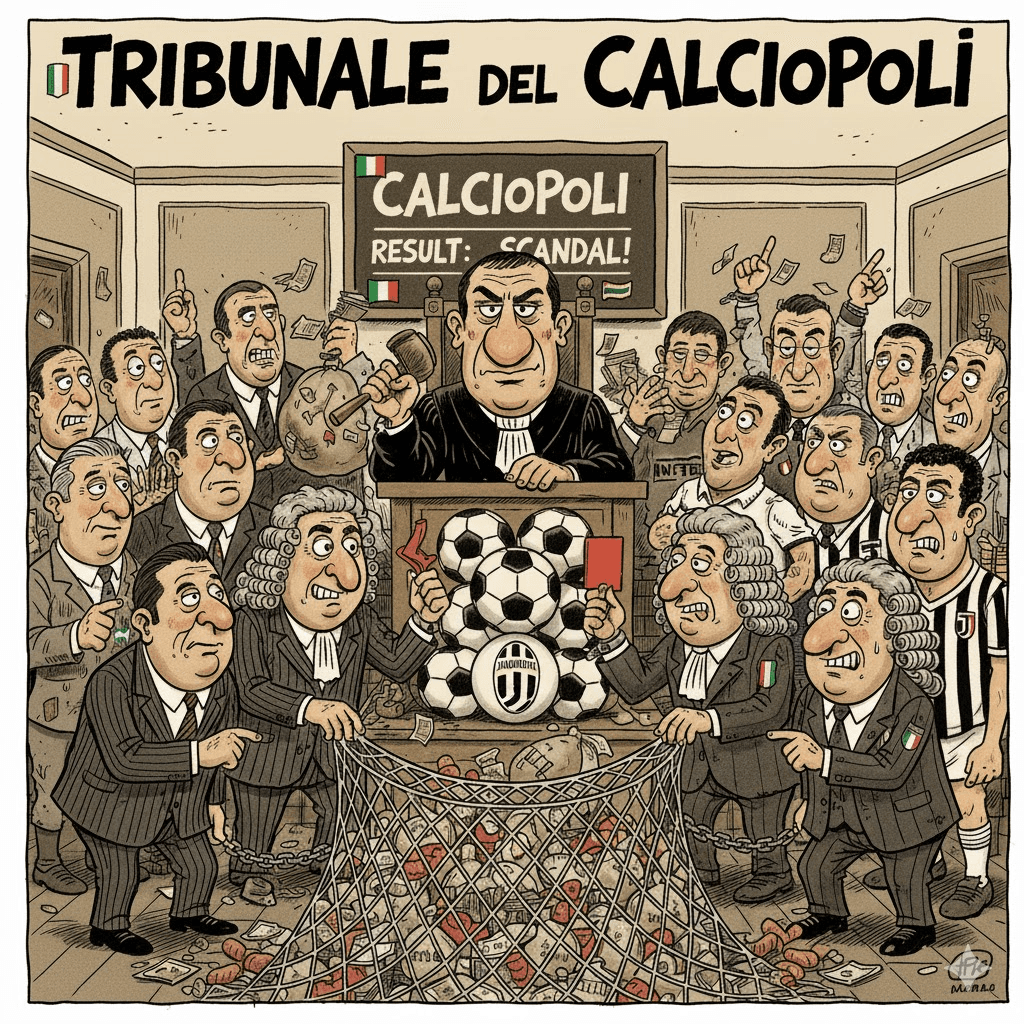
Parallel to the swift summary sporting justice, Moggi waged a decade-long crusade in the Italian criminal courts.
While lower courts handed down initial guilty findings, the Supreme Court of Cassation delivered its definitive ruling in 2015.
The conclusion: key charges were acquitted for lack of merit, while the primary remaining accusation of sporting fraud was extinguished under the statute of limitations.
In strict legal terms, Luciano Moggi was never definitively convicted of sporting fraud.
Indeed, portions of the judicial rulings noted that several matches under suspicion were untainted by material evidence of manipulation.
Yet within the sporting jurisdiction, his life ban remained intact.
The divergence between the court of law and the court of sport forces a poignant question upon us:
Between the forensic justice of evidence and the sweeping moral judgment of an athletic federation, which one captured the authentic truth?
The Scar of the Cross, and Calcio’s Long Dawn
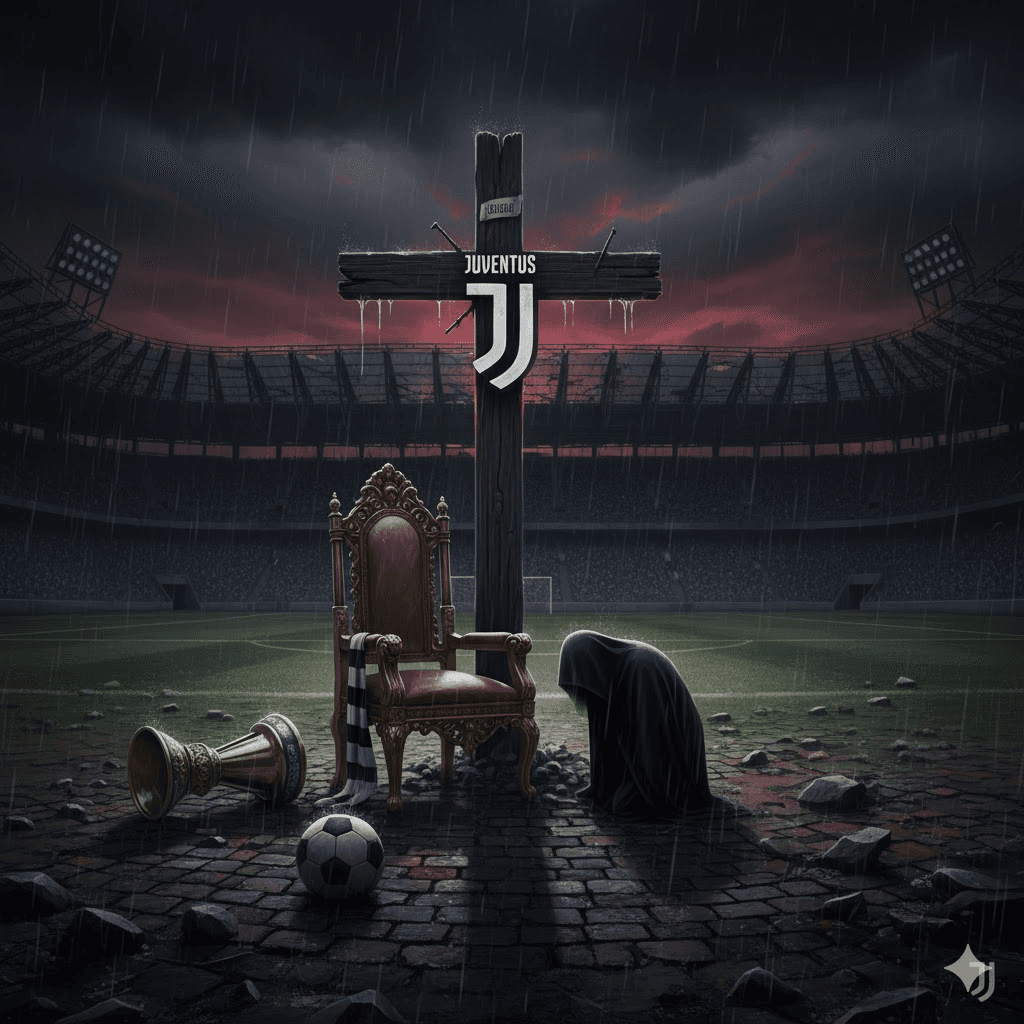
Calciopoli is remembered in popular culture as the story of one club’s tyrannical bid to enslave Italian football.
Yet beneath that morality play lies the colder truth of victor's justice, and the forgotten shadows of rivals who escaped the guillotine.
Led by loyal knights who refused to abandon ship—Alessandro Del Piero, Gianluigi Buffon, Pavel Nedvěd—Juventus endured the humiliation of provincial Serie B stadiums and stormed back within a single season.
The scandal stripped two league crowns from their museum, leaving deep, indelible scars.
Yet it also hardened their sacred motto: Fino alla Fine—proving that adversity only fortifies an empire.
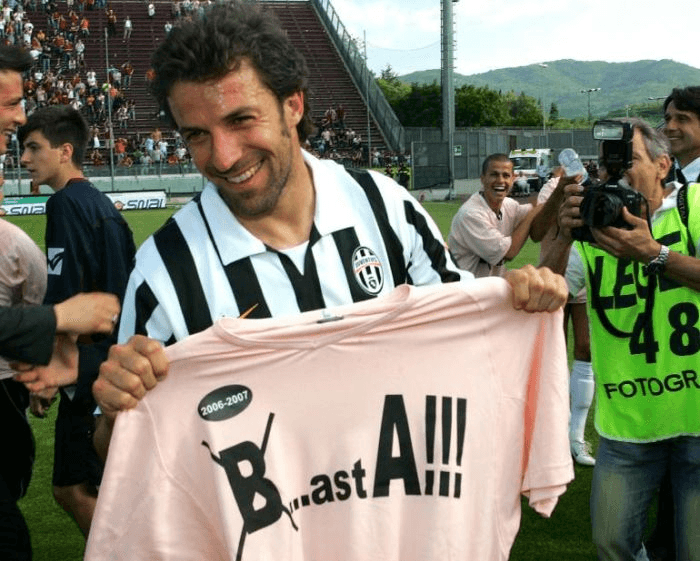
The universe Moggi operated within was unquestionably cynical, devoid of aesthetic purity.
Yet by scapegoating a single club while sweeping systemic institutional rot under the rug, did Italian football truly purify itself?
The truth of the lost throne cannot be painted in black and white.
Was Calciopoli a righteous crusade against fraud, or a political purge?
What is beyond dispute is that the summer of 2006 marked the beginning of a catastrophic twilight. Serie A lost its undisputed crown as the world's finest league, and the Azzurri embarked on a protracted generational descent.
The financial supremacy evaporated; the floodlights in old cathedrals grew dim.

Yet the romance of Calcio never truly perishes.
Spring always returns to frozen ground. Italy’s coronation at Euro 2020 proved that the spirit of the peninsula still breathes.
We await the day when that furious, breathtaking passion returns to the stadiums of the peninsula, and Italian football reclaims its throne at the center of the world.