Japanese Enterprises Anchoring Global Football: Toyota's 40 Years of Unwavering Passion and Respect on the Pitch
In northern France, inside the roaring arena of Lille.
As the summer of 2026 drew to a close, a familiar Japanese talisman stepped onto the manicured turf: Ayase Ueda, sealing a permanent transfer from Feyenoord Rotterdam to LOSC Lille. On his shoulders rested the number 18.
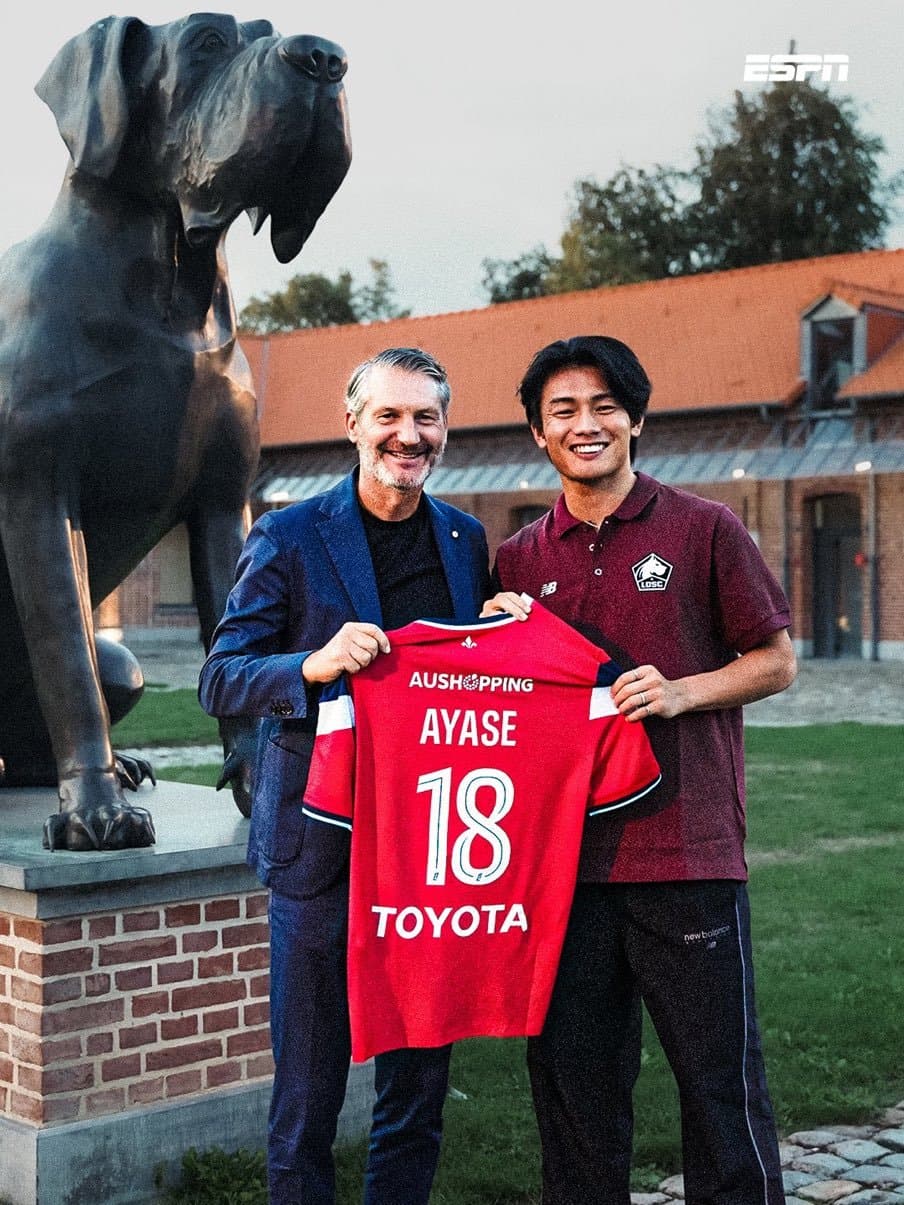
Just days after the official announcement, Ueda emerged from the bench to hammer home a sensational debut match-winner, captivating the hearts of the French supporters in an instant.
Yet in the swirling euphoria of the stadium, as he broke away from the celebratory embrace and turned his back to the terraces, an arresting detail caught the eye.
Just below the squad number 18, set against the red and navy fabric, five crisp white letters stood proudly:
"TOYOTA"
The unmistakable insignia of Japan’s premier manufacturing titan.
Why is the name of Toyota stitched onto the jersey of this northern working-class bastion rather than a glamorous capital club?
What invisible thread binds a historic European football institution to a Japanese industrial giant?
It is the opening chapter of a profound narrative—a story of quiet dignity and genuine respect that Japanese enterprise has poured onto the world's pitches for nearly half a century, standing worlds apart from the speculative frenzy that consumes modern football.
A World Apart from the Financial Casino: Supporting Communities and Jobs, Not Just Billboards

Cast a glance across modern football,
and it is evident that the terrain off the pitch is governed by a ruthless money game.
Gulf sovereign wealth, the echoes of Chinese investment waves, and American private equity funds aggressively acquiring Europe's heritage institutions.
To these institutional financiers, historic football clubs are treated as mere "financial assets" or cash-generating instruments.
Clubs are subjected to gruelling commercial tours, burdened with leveraged debt, and caught in toxic standoffs between estranged owners and passionate supporters—a cycle that has become tragically normalized.
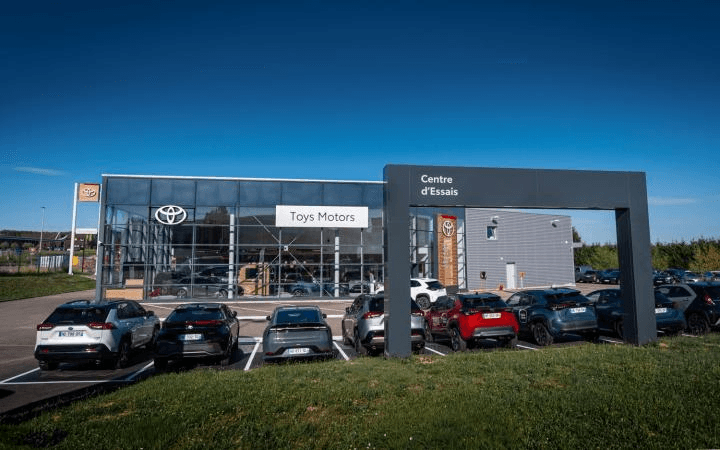
Toyota’s sporting commitment, however, exists on an entirely different plane.
Just miles from Lille's stadium lies a region historically scarred by the closure of coal mines and the painful deindustrialization that followed.
It was in this wounded landscape that Toyota chose to establish its sole vehicle manufacturing plant in France (the TMMF facility) back in 2001.
The factory, birthplace of the compact Yaris, grew into one of France's most productive automotive plants. Yet its greatest achievement was far more human: providing thousands of local families with dignified, stable employment, revitalizing a vulnerable community and restoring its civic pride.
When LOSC Lille and Toyota France formalized their partnership in 2025,
the logo on the lower back of the jersey was never conceived as a detached corporate broadcast from Tokyo.
It represents an enduring tribute to the men and women who live and sweat in this region—a pledge of mutual respect and coexistence.
[Toyota Motor Manufacturing France (TMMF) production facility in Onnaing, northern France]
This philosophy resonates consistently across Europe and across the Atlantic.
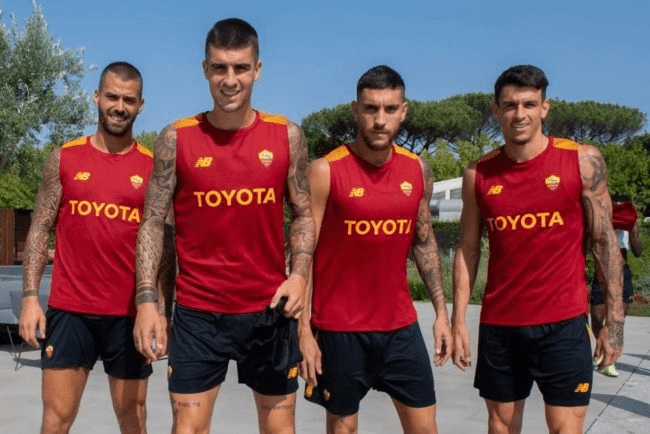
In the eternal city of Rome:
Partnering with AS Roma, Toyota opted out of the high-stakes bidding war for front-of-shirt commercial space, choosing instead to become the official training kit partner. They provided cutting-edge electric fleets and mobility services for players and staff, championing sustainability from the grass roots up.
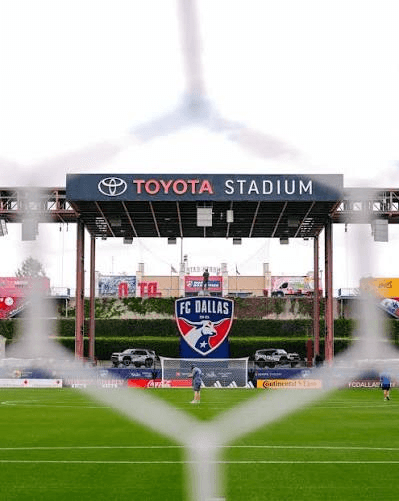
With FC Dallas in the United States:
Located in the backyard of Toyota Motor North America's headquarters, "Toyota Stadium" represents far more than naming rights; it anchors a decade-long investment into youth academies where boys and girls can chase their sporting dreams.
Never treating a club as a speculative instrument to be bought and flipped. Building factories, creating regional employment, and standing alongside the pitch as a supportive neighbor. That is the quiet, undeniable dignity that Toyota embodies in global football.
Standing by Fallen Clubs: Loyalty in the Darkest Winter
Toyota’s sincere loyalty on the pitch is not a modern marketing reinvention.
Wind the clock back to the early 2000s, and Toyota’s emblem shone atop the peak of European football.
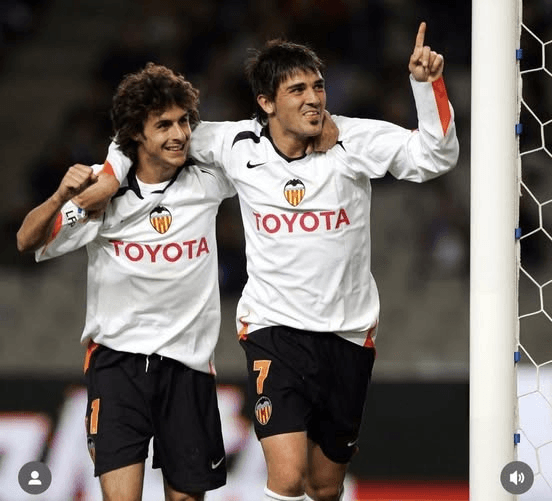
Valencia CF in Spain:
The golden era of Pablo Aimar dancing through midfields and a youthful David Villa scoring at will. When Valencia conquered La Liga and hoisted the UEFA Cup, beating the superpowers of Real Madrid and Barcelona, the bold red "TOYOTA" was etched across their chests.
Yet an even deeper, more moving testament was written in the Tuscan purple of ACF Fiorentina in Florence.
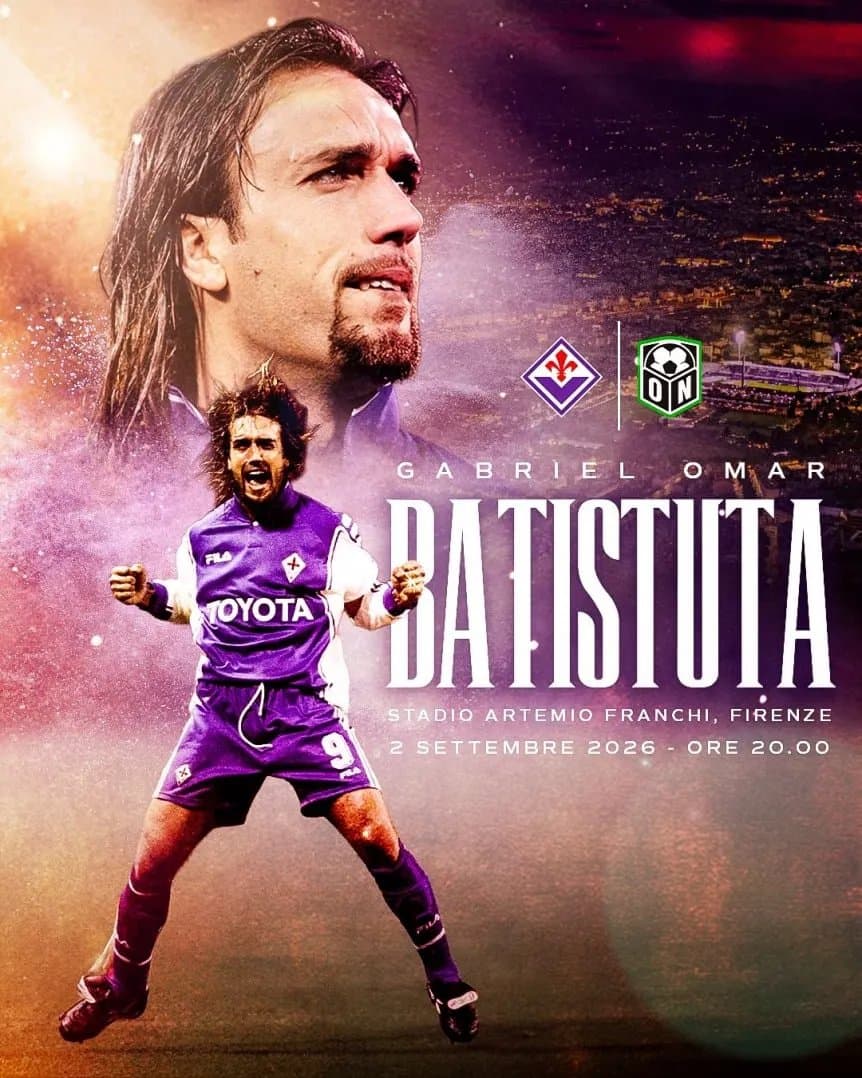
Toyota had been the Viola's primary shirt sponsor since 1999. But in 2002, reckless mismanagement by previous ownership plunged the club into bankruptcy.
Overnight, the historic institution was stripped of its professional status and relegated into the fourth tier of Italian football (Serie C2).
Stripped even of its historic name, the club was cast into the mud of provincial obscurity.
In the transactional logic of sports business, no multinational corporation sponsors a bankrupt fourth-tier club with zero broadcast value. Almost every sponsor fled immediately.
Toyota did not.
Even as the club plunged into the abyss, Toyota refused to strip its logo from the purple shirt.
And once Fiorentina completed their miraculous climb back to Serie A, Toyota extended their hand once more as an official partner to the city of Florence.
Applauding when a club wins, and coldly walking away when misfortune strikes—that is the conventional rule of sports marketing.
For a multinational corporation answerable to global markets, such pragmatism is taken for granted.
Yet Toyota chose the opposite path.
By standing beside the club in its harshest winter and defending the dignity of its supporters, Japanese sincerity left a mark that the Florentine people cherish to this day.
The Winter When an Eastern Island Rescued World Football: The Legend of the Toyota Cup
And there is a monumental chapter that every football lover should remember—an indelible footprint that rescued world football history.
Today, the tournament crowning the world’s best club is known as the FIFA Club World Cup. But do you know the tournament from which it all sprang?
The "Toyota Cup"—officially, the Intercontinental Cup.
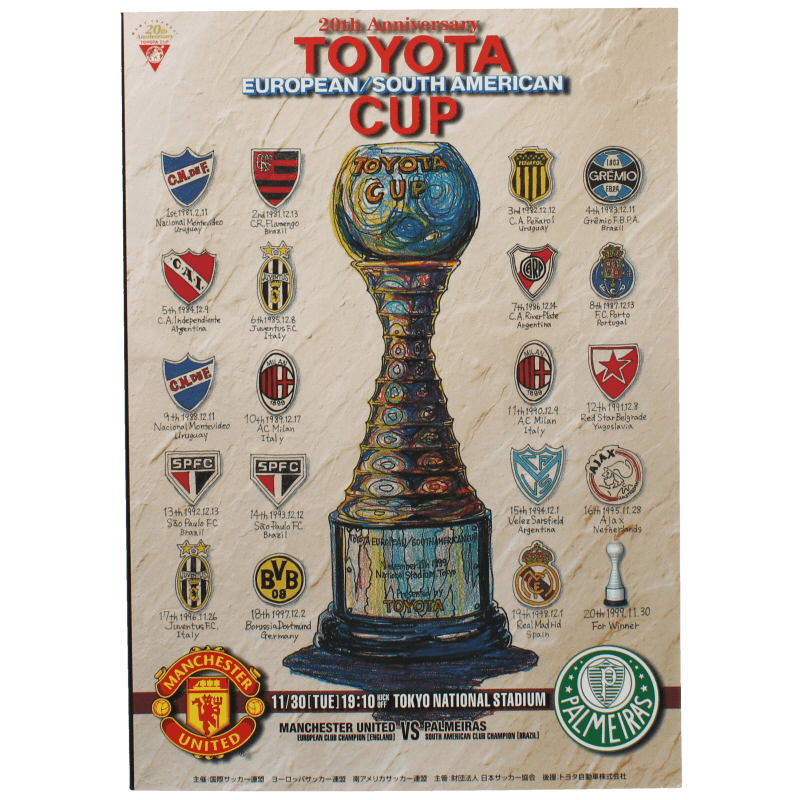
In the late 1970s, this historic clash between the champions of Europe and South America stood on the brink of total collapse.
Plagued by violent clashes on the pitch and terrace riots, European clubs increasingly boycotted the tournament, citing security fears and congested calendars.
The competition was sinking into an unsustainable quagmire.
It was Japan that pulled this fractured football culture from the brink.
"We will host a fair, single-match showdown on neutral ground."
In 1980, Toyota stepped forward as title sponsor, launching an audacious enterprise to crown the world club champion in the Far East.
December in Tokyo. The frigid air of the National Stadium.
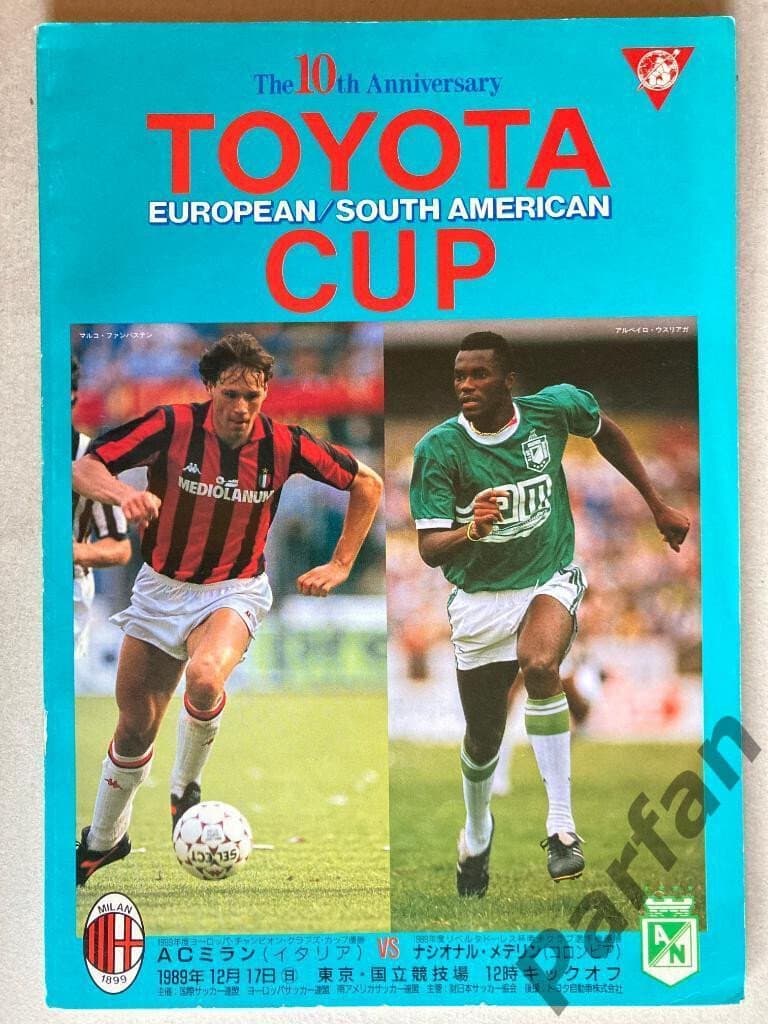
White breath rising from the turf in the biting winter wind.
The electrifying genius of Zico dismantling Liverpool.
Michel Platini lying gracefully on the turf after his disallowed masterpiece.
The Dutch trio of AC Milan staging total football.
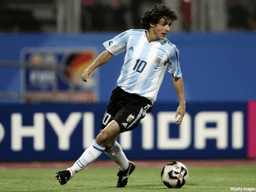
Alessandro Del Piero’s lethal strike.
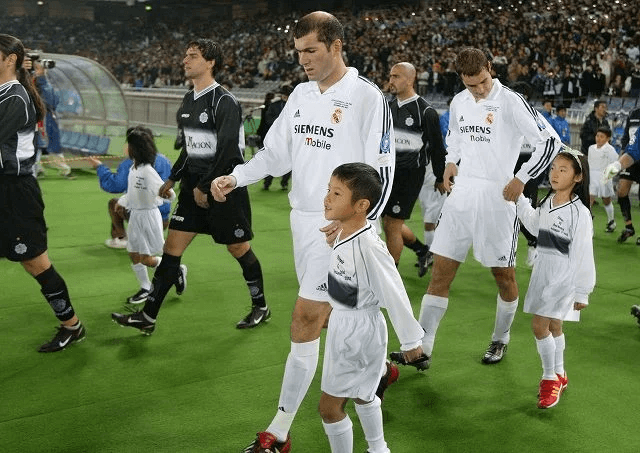
Zinedine Zidane’s otherworldly touch.
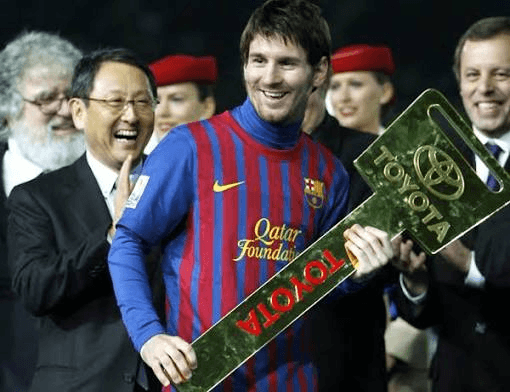
The greatest footballers on Earth hoisting the keys to a brand-new Toyota alongside the world championship trophy became an indelible ritual of the global sporting calendar.
Across South America, where the tournament provided the supreme stage to prove their footballing greatness outside the World Cup, fans still affectionately refer to the continental championship as the "Copa Toyota."
Because Toyota served as the backbone of South American club football for decades.
It was through the Toyota Cup that Japanese fans first experienced the zenith of footballing passion firsthand, inspiring the birth of the J.League and sparking the modern football revolution in Japan.
What Toyota rescued was not merely a single football tournament; it was the sacred dignity of international football culture itself.
Moving the World from Beyond the Touchline: The Dignity of Labor and the Love of Football
Why has Toyota gone to such extraordinary lengths to support football and the broader sporting world?
If the objective were simply selling automobiles, no corporation would offer such gritty, patient loyalty to struggling clubs.
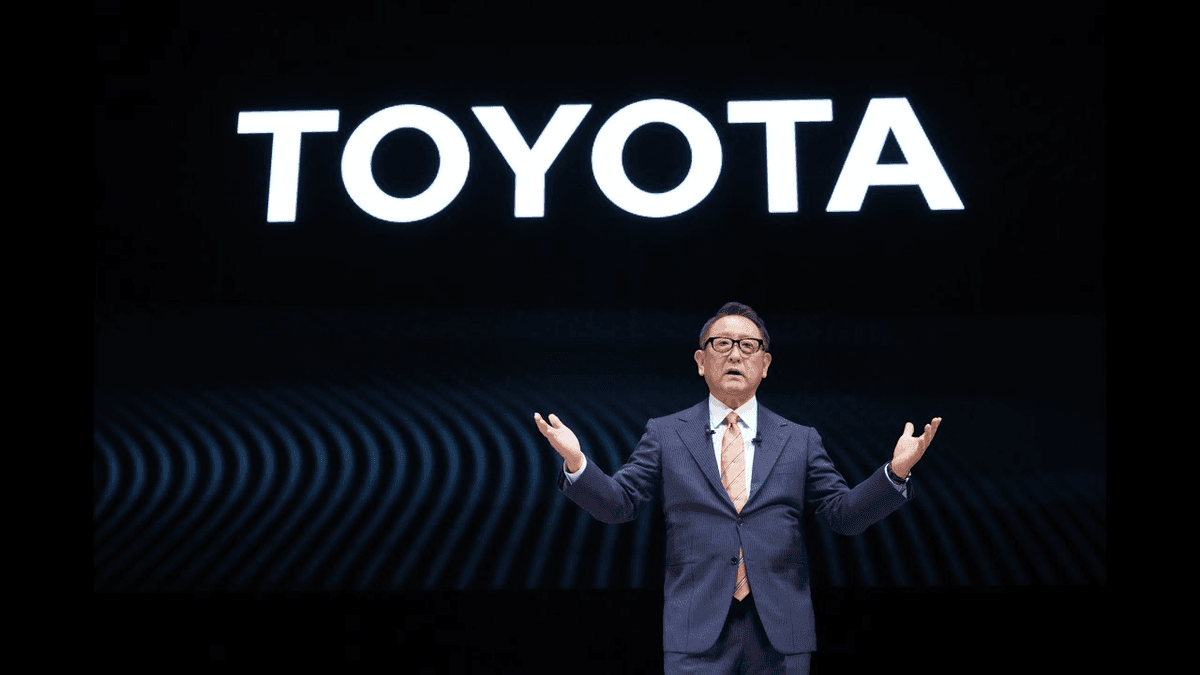
The answer is rooted in the personal experience of Toyota Chairman Akio Toyoda. In his student days, Toyoda was a dedicated field hockey athlete who rose to the ranks of Japan’s national team pool. Living under the constant scrutiny and prejudice of being the founding family's heir, he found sanctuary on the sporting field.
"The moment you step onto the pitch, pedigree and titles cease to matter. Wealthy or humble, CEO or frontline worker—it is all stripped away. As an equal human being, you sweat alongside your teammates and challenge your opponents with profound respect."
This steadfast belief in sport’s ability to unite people, inspire hearts, and cultivate character is precisely why Toyota refuses to treat clubs as speculative chess pieces, choosing instead to honor human labor and the field of play.
[Chairman Akio Toyoda engaging with athletes on the sporting frontlines]
Just as SHARP defined an era on the chests of Manchester United, and SONY graced the golden age of Juventus, today TOYOTA accompanies Ayase Ueda.
What Japanese companies have left on the world's pitches is not the aggressive brute force of capital, but the quiet dignity of standing by communities and respecting the work.
Loving and sustaining football is not the exclusive privilege of the players who kick the ball across the turf.
It belongs to those who pack the terraces and sing until their voices break; those who hold their breath watching faraway battles across a screen; and those who rise each morning in Japan to dedicate their labor and craft to society.
Every hour of dedication and craftsmanship nurtures our industries, refines our technology, and ultimately flows across borders to sustain the vibrant bloodline of world football. To invest in such companies is another sophisticated way an adult can participate in the beautiful game.
Looking upon the word "TOYOTA" stitched across Ayase Ueda's jersey, we are reminded of something essential:
The footsteps of our daily work lead directly to that emerald rectangle. We are, and always will be, the proud co-creators and storytellers who move the game from beyond the touchline.
Share this story