The Dream Seven Men Chased in a Parisian Alley: How FIFA Became the "Universal Language of the Earth"
Once every four years, the entire planet forgets to breathe, locking its gaze onto a rectangle of green turf.
Transcending borders, tongues, creeds, and skin colors, billions find their emotions stirred by the trajectory of a solitary sphere.
In our modern era, football has truly and undeniably become the "Universal Language of the Earth."
The 2026 World Cup, too, overflowed with moments of grace that united the globe and left humanity spellbound.
https://x.com/kittenaround_51/status/2069091045233602569/video/1
Yet off the pitch, an unsettling cadence of disillusioning headlines dominated the conversation.
Astronomical ticket prices, hyper-inflated broadcast rights, the inroads of predatory private equity, geopolitical maneuvering, and smoke-filled rooms of backroom power struggles.
Where did this gargantuan apparatus originate, and what path did it tread to reach this colossal modern form?
Today, FIFA is easily perceived as an entrenched corporate monolith, but its genesis was something profoundly different: a romantic daydream conceived by men who simply loved football.
The root of this planetary institution was neither a corporate conglomerate nor an imperial state initiative.
More than 120 years ago, huddled in the backroom of an aging Parisian townhouse, it began as a startup journey launched by ordinary football devotees just like us through pure passion and quiet grit.
1904: The Backroom in Paris — Seven Men Grasping the Threads of an Ideal
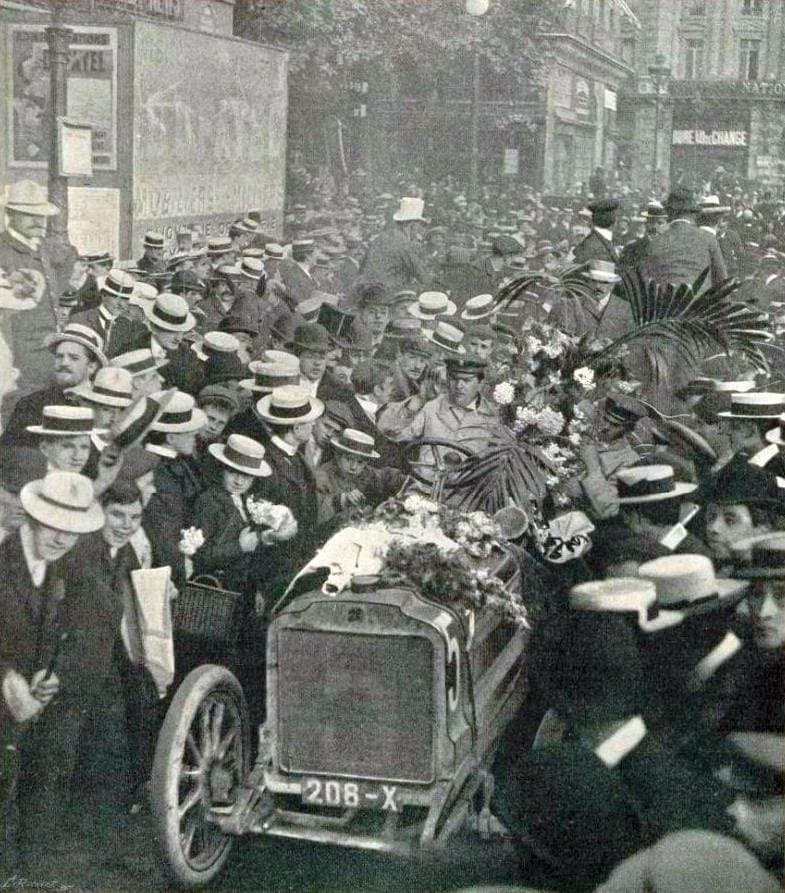
Turn the hands of the clock back to Paris, on May 21, 1904.
Across the Continent, cross-border friendly matches were multiplying rapidly, but disparate national interpretations of the rules routinely devolved matches into farce and confusion.
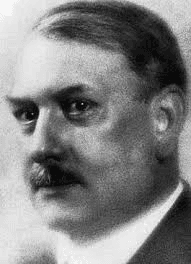
“We must build a framework where all humanity competes under the exact same laws,” declared a 28-year-old French journalist named Robert Guérin.
Guérin and his peers first traveled across the Channel to the Football Association (FA) in England—the creators of the game and guardians of its codified laws—inviting them to lead this universal organization.
But the response from the British establishment was chillingly dismissive:
“The status quo is entirely adequate; an international body is wholly unnecessary.”
Refused by the game's birthplace, Guérin and his comrades refused to fold. They resolved to forge that ideal with their own bare hands.
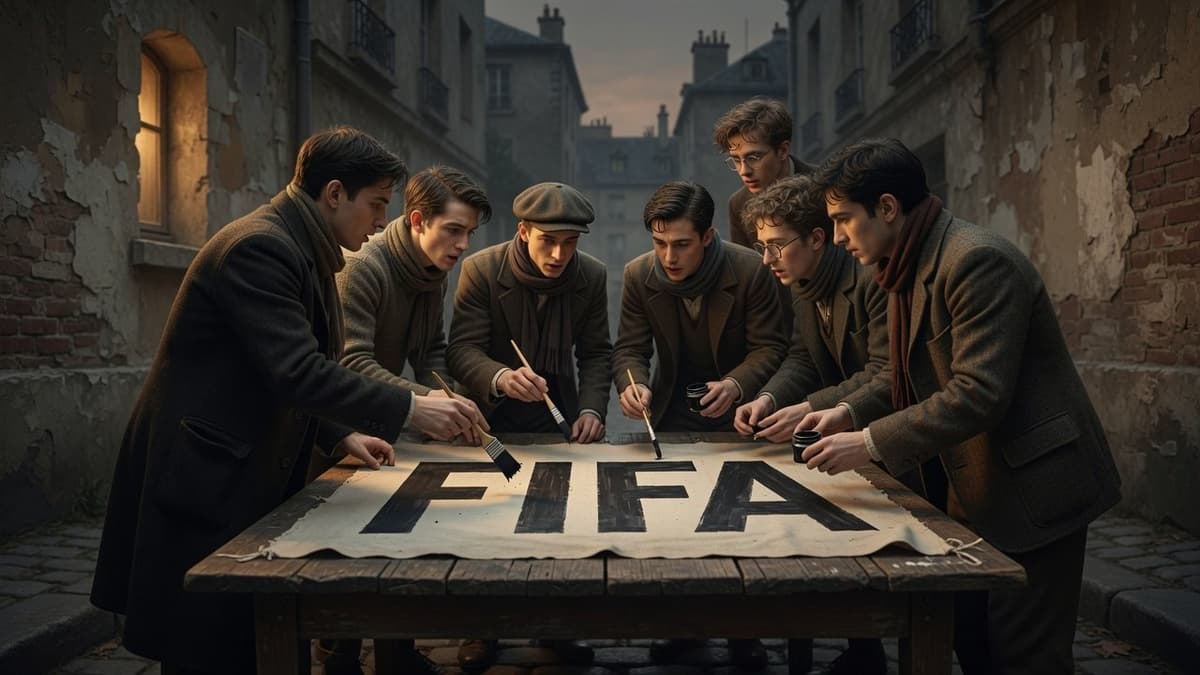
On May 21, 1904, in a modest rear room at 229 Rue Saint-Honoré in Paris, a mere seven men representing France, Belgium, Denmark, the Netherlands, Switzerland, Sweden, and Spain gathered around a table.
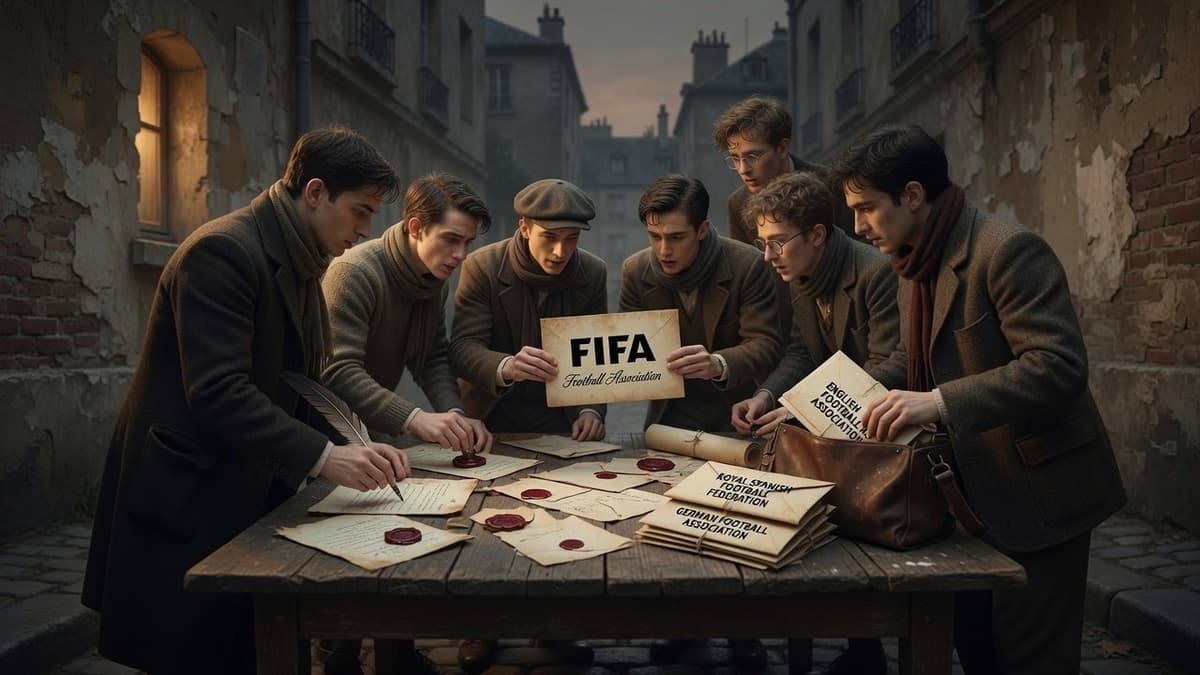
Clustered around that small desk, they inked their signatures onto a handwritten founding act, officially birthing the Fédération Internationale de Football Association (FIFA).
There was no formal headquarters, nor hired staff. Annual dues amounted to mere pocket change. By day, these men labored at their day jobs; by night, in their private hours, they painstakingly penned letters by candlelight, coordinating with associations across Europe.
What started as youthful cafe banter slowly gathered unstoppable momentum. Swayed by their quiet, persistent fervor, even proud England relented and joined in 1906, cementing the foundation of continental standardization.
The 1920s: Shockwaves at the Olympics and the Maiden World Cup in Uruguay
For nearly two decades after its founding, the organization remained essentially a local European brotherhood.
But in the 1920s, European eyes witnessed the breathtaking, distinct footballing evolution that had blossomed across the Atlantic.
The catalyst was the Olympic Games.
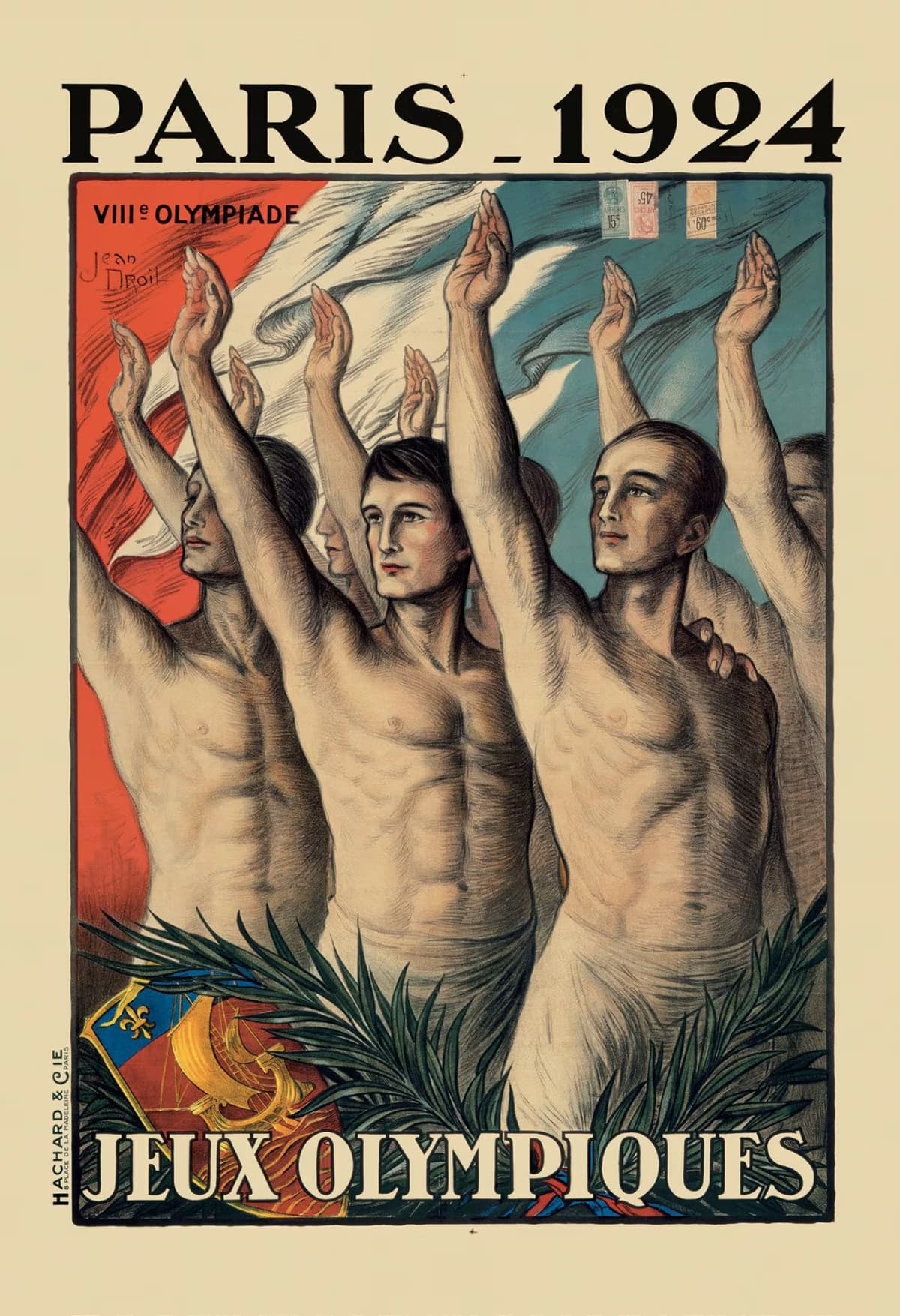
At the 1924 Paris Games and the 1928 Amsterdam Games, a diminutive South American nation that crossed the ocean—Uruguay—stunned European spectators and delegates with sublime technical wizardry, acrobatic athleticism, and hypnotic passing.
“Across the ocean in South America exists a dimension of football we never even imagined.”
Spellbound by what he saw, FIFA’s third president, Jules Rimet, resolved to break past the amateur strictures of the Olympics and orchestrate a true, open world championship in partnership with South America.
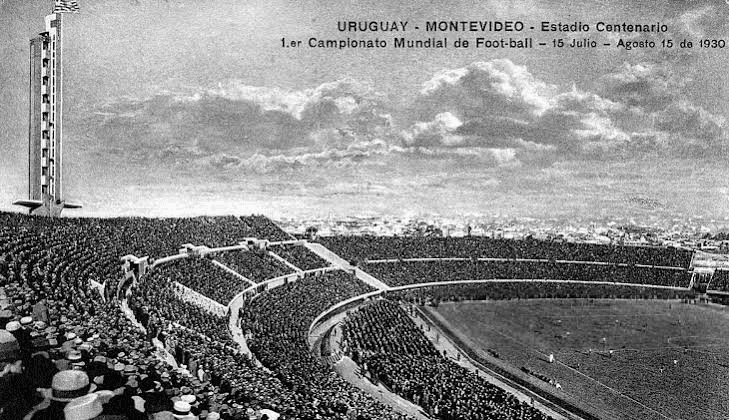
Thus was conceived the Inaugural 1930 World Cup in Uruguay.
As the Great Depression plunged Europe into severe financial distress, Uruguay stepped forward with extraordinary generosity, underwriting travel expenses for all participants and constructing the monumental 100,000-capacity Estadio Centenario.
Though many European nations balked at the grueling maritime voyage, ninety thousand passionate spectators packed into the Centenario, turning the tournament into an unforgettable triumph.
A modest regional initiative born in a Parisian backroom had fused with South American passion, attaining for the very first time a truly planetary scale.
The 1930s & 40s: Expanding the Fold and the Pledge in Neutral Switzerland
The delirium of the inaugural World Cup rippled across continents by word of mouth. Federations across Europe and the Americas lined up to join, eager to earn their place on that grandest of stages.
Step by step, the intimate collective widened its embrace across the globe.
Yet as the 1930s unfolded, the dark shadows of totalitarianism and the drums of World War II crept across Europe, suffocating society in fear and tension.
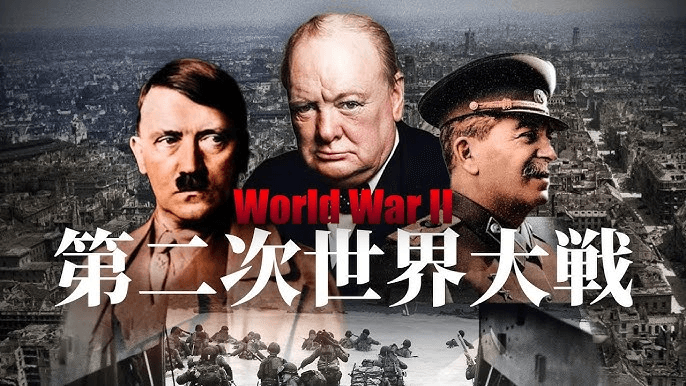
Here, FIFA took an existential gamble that would define its character forever.
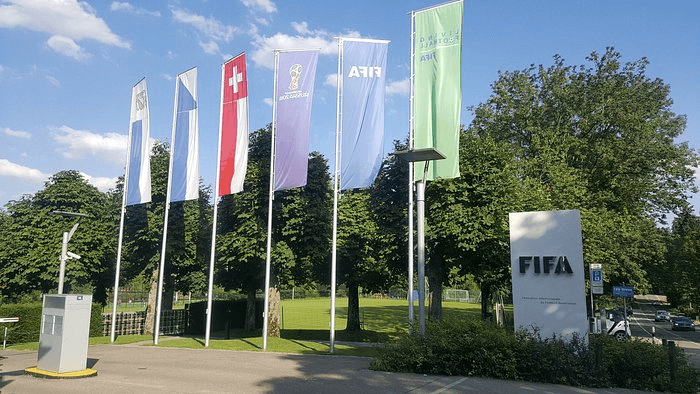
In 1932, it uprooted its headquarters from France and relocated to permanently neutral Switzerland (Zurich).
Why does FIFA maintain its world headquarters in Zurich to this day?
Because as a non-profit association enshrining political neutrality in its statutes, it was a conscious pledge to prevent football from ever becoming the property or propaganda of any single regime or state.
During the depths of World War II, when FIFA vice-president Ottorino Barassi secretly smuggled the World Cup trophy from a Rome bank vault and hid it in a battered shoebox beneath his bed to keep it out of Nazi hands, that fierce institutional independence held firm. No matter how dark the geopolitical winter, they preserved the sacred relic of the game.
And because they protected that flame, football could return amidst the ashes of postwar reconstruction as a beacon of shared human healing and hope.
The 1950s–1970s: The Media Revolution and True Continental Expansion
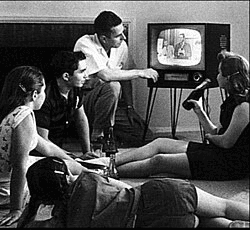
Between the 1950s and 1970s, half a century after its founding, football entered its greatest era of expansion: the advent of live television broadcasts and the accompanying wave of commercialization.
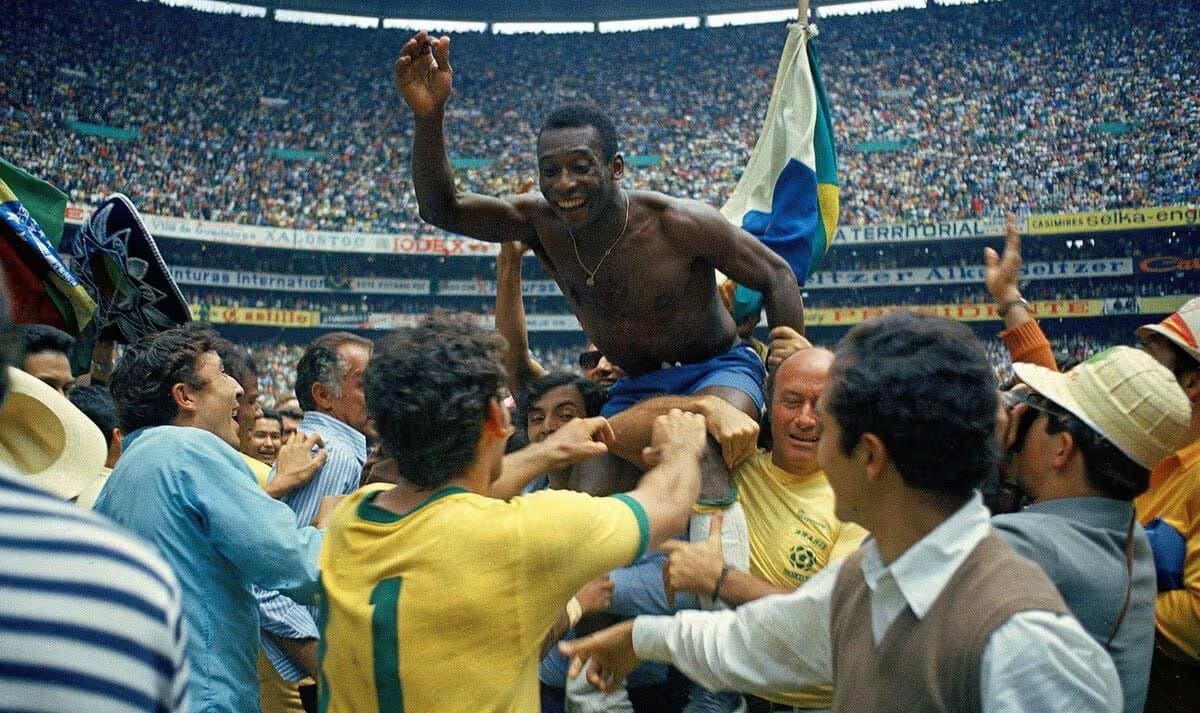
The 1954 tournament in Switzerland saw the very first television broadcasts, and in 1958, a seventeen-year-old Pelé captured the world's imagination in living color. Humanity moved from reading newsprint and listening to wireless crackle into an era where millions shared the ecstasy of a goal simultaneously across screens.
By the 1970s, pioneering broadcast contracts and partnerships with global multinational brands commercialized the sport on an unprecedented scale.
And the wealth generated from this transformation became the driving engine to expand World Cup berths into Africa, Asia, and beyond.
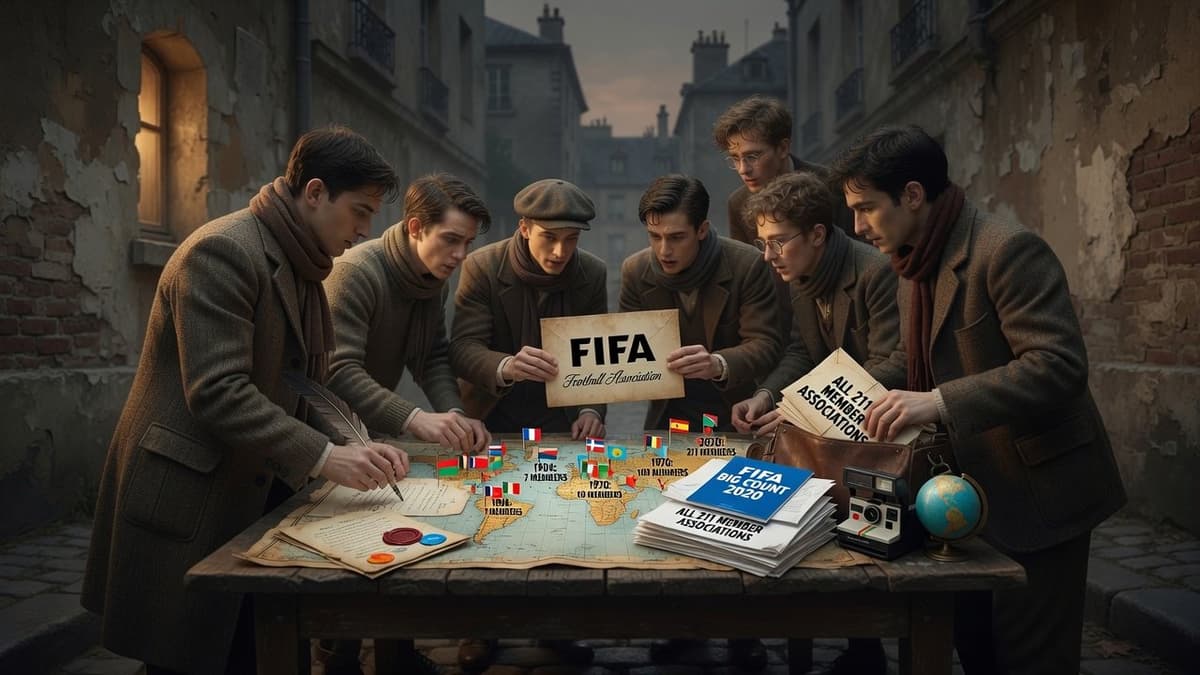
The tournament shed its identity as an exclusive summit of footballing aristocrats to become an authentic festival of all continents.
Reinvesting commercial windfalls into worldwide development programs welcomed emerging football nations into the pantheon. What had started as a quaint regional gathering matured into a monumental tapestry that embraced the entire inhabited earth.
The 1980s to the Present: The Universal Language That Compels Men to Lay Down Arms
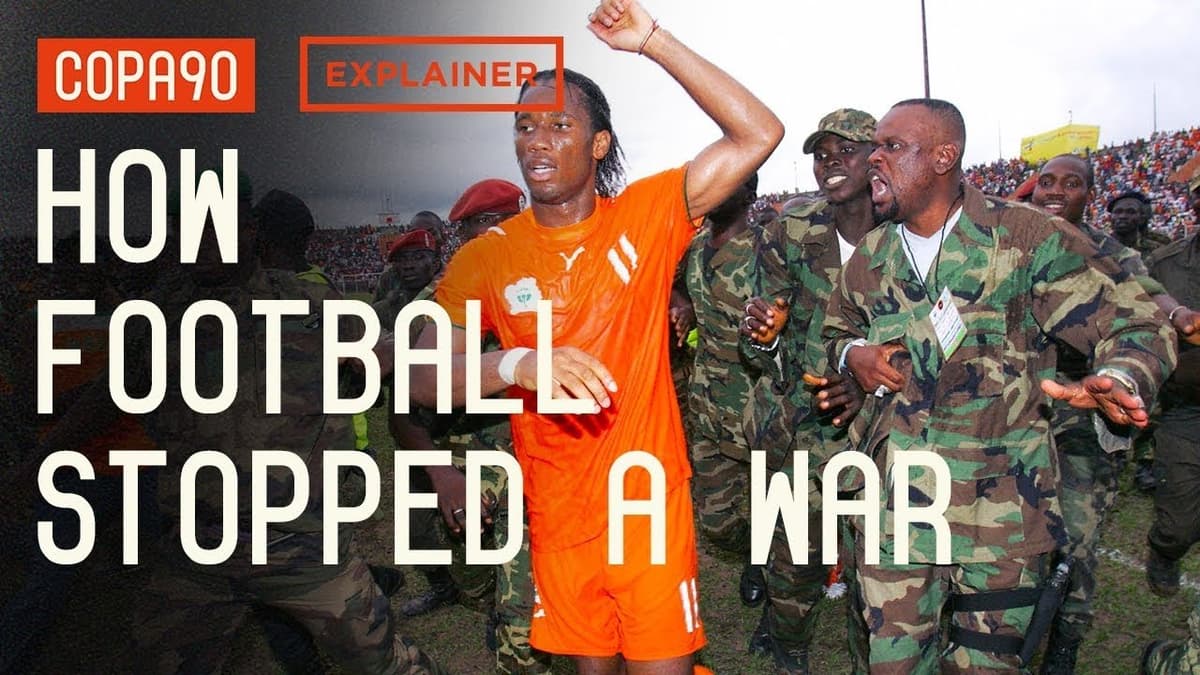
Throughout the 1980s and 1990s, human history was scarred by the dying embers of the Cold War, civil conflicts, and bitter political fractures.
Yet however deeply societies were divided, a sacred ethos took root: that insulated from politics, men of hostile nations could meet on green grass under identical rules and contest victory with mutual respect.
At the 1998 World Cup in France, players from the United States and Iran exchanged bouquets of white roses and posed with arms entwined before kickoff. In 2005, amidst the devastation of civil war in Ivory Coast, national team players led by Didier Drogba dropped to their knees before live television cameras to plead for peace, brokering a historic ceasefire.
The handcrafted unified laws that seven men in a Parisian backroom financed out of their own meager pockets had, across a century of trials, blossomed into a "Universal Language of the Earth" capable of surmounting political divides and uniting all humanity.
Where Will Football’s Free and Beautiful Soul Wander Next?
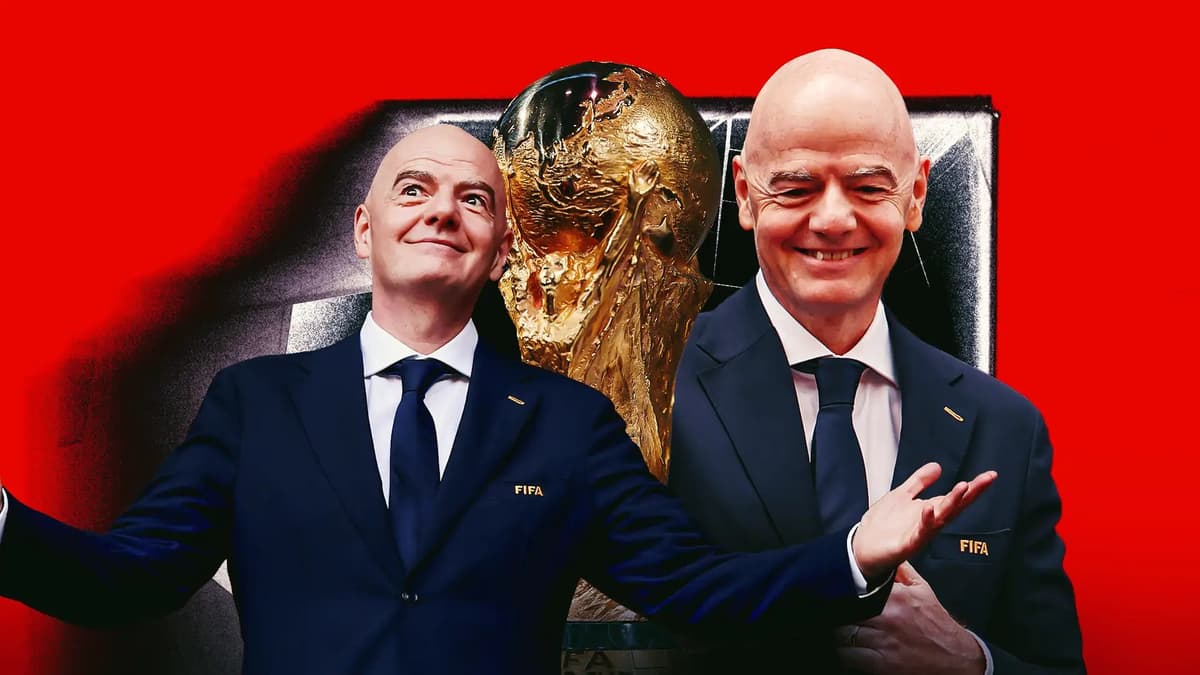
Those seven men in that backroom on Rue Saint-Honoré, licking stamps late at night with pocket money earned from their humble daytime callings.
If they were transported through time to witness today’s empire—211 member associations, billions in capital, gleaming corporate palaces—what words would cross their lips?
Would their chests swell with tears of wonder: “Did the humble letters we penned into the night truly bind humanity so closely together?”
Or would their eyes darken with sorrow, watching the innocent dream they conceived swallowed by greed, immense capital, and shadowy political intrigue?
The intimate startup launched by anonymous dreamers has grown, over a century, into an awe-inspiring global infrastructure. That very scale allowed the gospel of football to reach every corner of the planet; yet that monstrous weight carries crushing contradictions.
Yet whenever we hold our breath before the path of a moving ball, whether on ancient terraces or glowing screens, the beating heart within our chest remains fundamentally unchanged from what stirred inside those seven men in 1904:
“To protect a football that is beautiful, fair, and capable of enchanting every human soul.”
The handcrafted dream of seven visionaries wrapped around the globe in a hundred years. Where will the free and beautiful soul of football steer its course next?
Share this story