
STRUCTURE
Decoding the Ballon d’Or: How the Sovereign of World Football Is Chosen
What Is the Ballon d’Or?
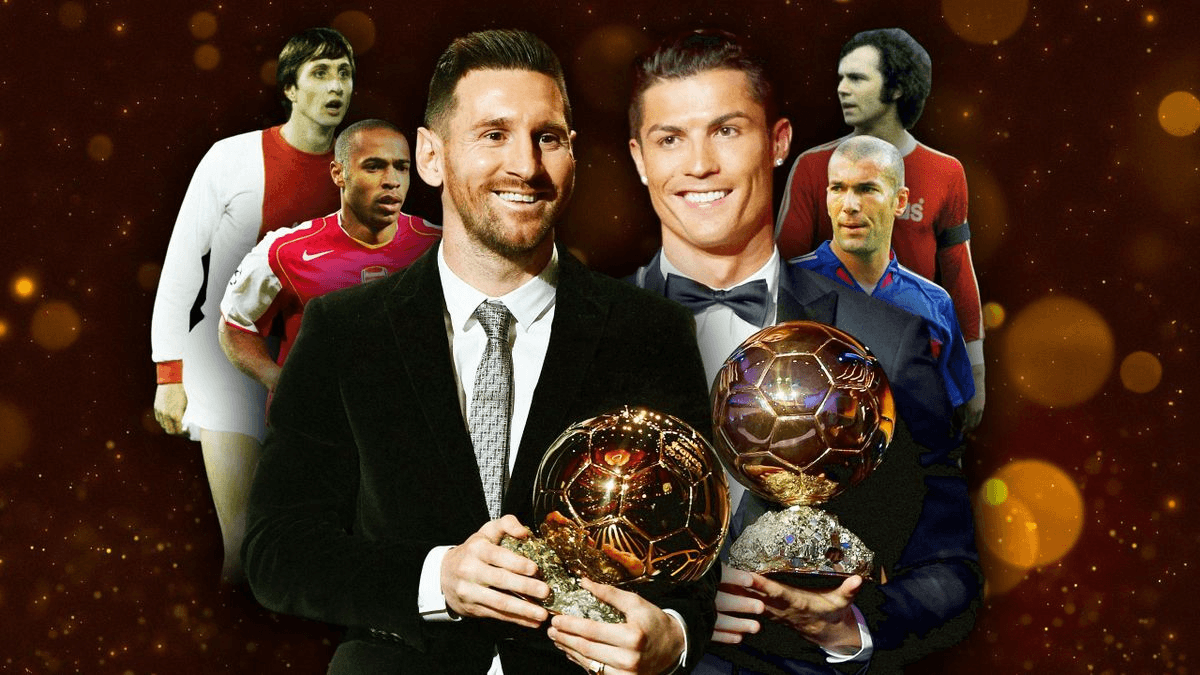
The Ballon d’Or: the most storied and consecrated individual distinction in the global game. Its origin traces back to 1956, conceived by the visionary writers of French publication France Football.
Originally restricted strictly to players of European nationality, the award opened its gates in 1995 to all players competing in European leagues, before finally democratizing in 2007 to include players across the entire planet.
Between 2010 and 2015, the prize briefly merged with FIFA’s World Player of the Year to form the "FIFA Ballon d’Or," before decoupling in 2016 to return to its independent heritage under the stewardship of France Football.
It remains the summit that Pelé and Maradona could only admire from afar in their youth, and the golden obsession pursued relentlessly by Messi and Cristiano Ronaldo.
The Voting Mechanism and the Jury
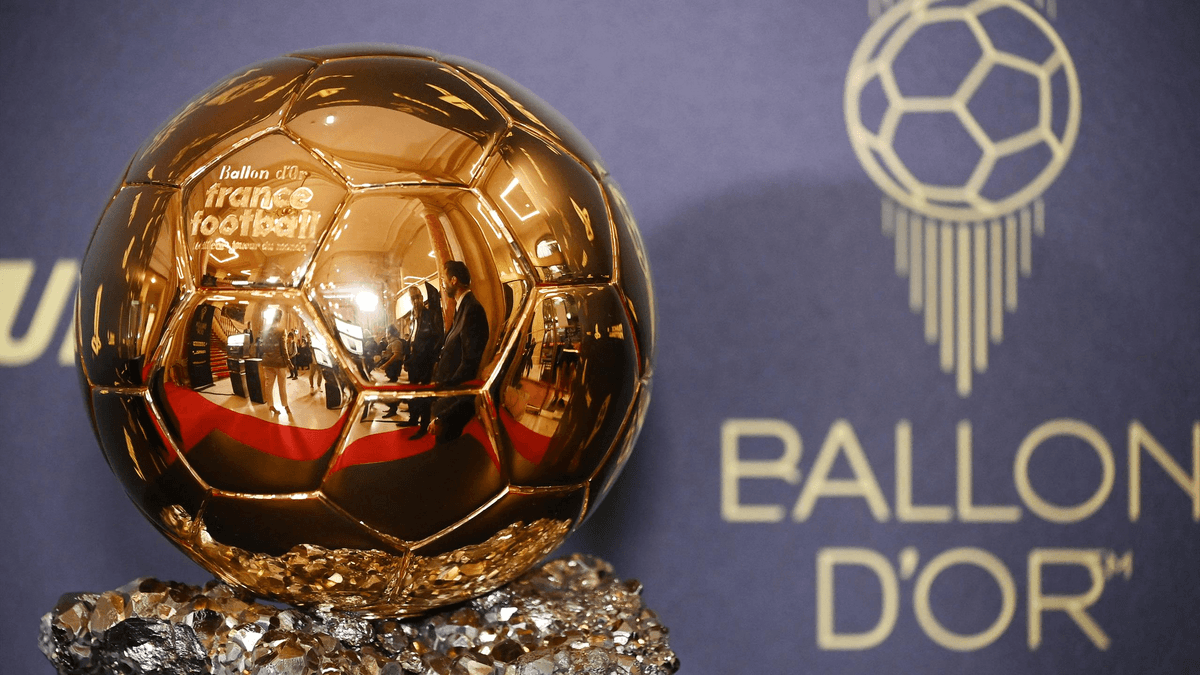
The adjudication process behind the golden sphere is remarkably transparent.
-
Organizer: France Football (L'Équipe Group)
-
The Electorate: One specialized football journalist representing each of the top 100 nations in the official FIFA rankings.
- Jurors are individually credentialed by France Football from prominent, respected media outlets in each nation.
- Selection favors proven international reporting integrity, journalistic independence, and deep tactical literacy.
- In Japan, for instance, chief editors from authoritative publications such as Football Channel or Soccer Digest have historically cast the ballot.
-
The Ballot System: Each journalist submits an ordered ballot of five players, awarded points on the following scale:
-
1st Place = 6 points
-
2nd Place = 4 points
-
3rd Place = 3 points
-
4th Place = 2 points
-
5th Place = 1 point
-
The tallies are compiled worldwide, and the footballer with the highest aggregate score hoists the golden sphere.
The Three Sacred Criteria

Re-codified in 2022 to eliminate historical ambiguity, the official criteria are clear:
-
Individual and collective performance (decisive moments, trophies lifted, goal contributions)
-
Class, technical mastery, fair play, and ethical aura
-
Exclusive focus on the singular season (judged from August to July, rather than a calendar year or a lifetime cumulative career)
This seasonal recalibration means the accolade reflects a coherent campaign of football, harmonized with the European club calendar.
The Structural Curse: Why Keepers and Defenders Face an Uphill Battle
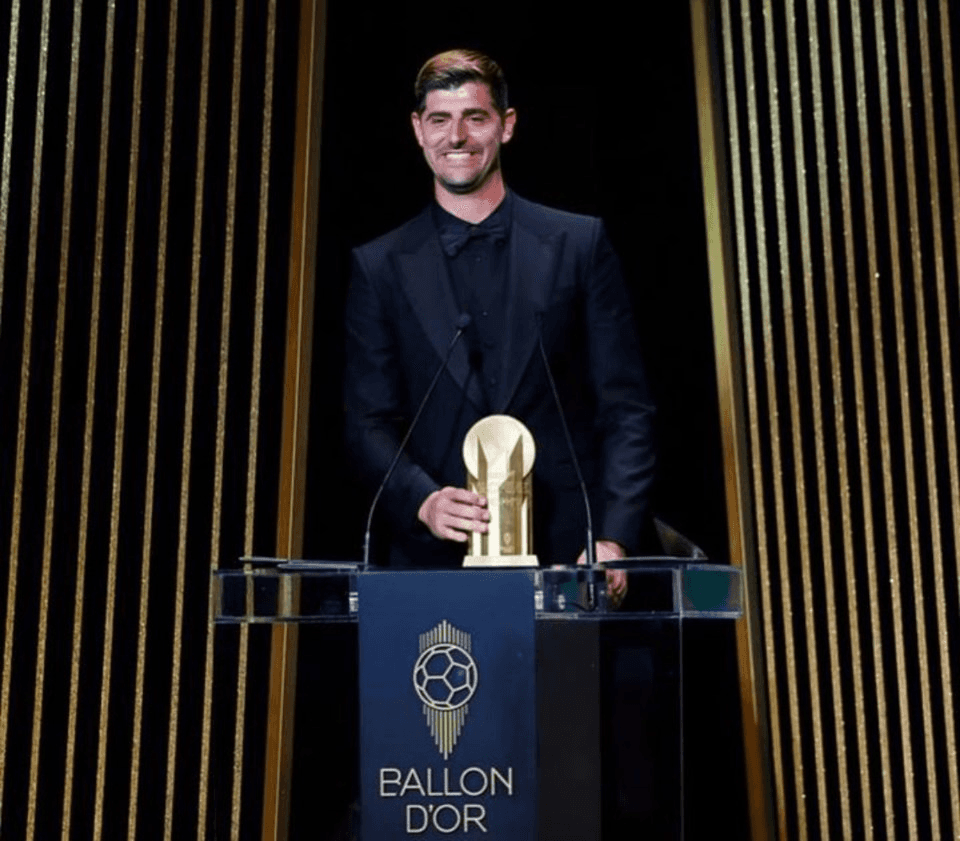
A glance through the honor roll reveals an undeniable bias: the podium has overwhelmingly belonged to forwards and attacking midfielders. Goalkeepers and defenders remain legendary rarities.
Goalkeepers:
-
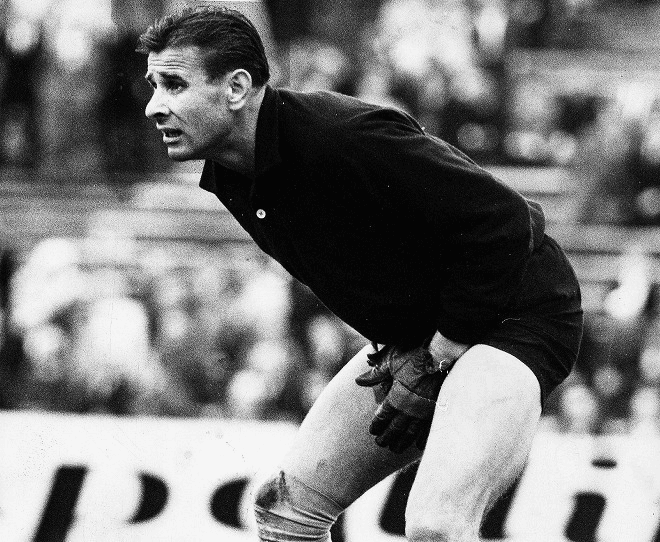
Only a single goalkeeper has ever hoisted the trophy: the "Black Spider," Lev Yashin (1963).
Defenders:
-
In modern history, the sole defender to claim the crown remains Fabio Cannavaro (2006, Italy's World Cup-winning captain).
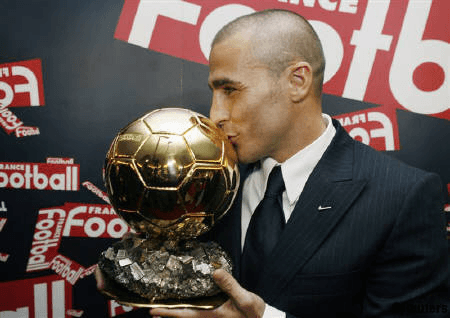
The structural reasons are self-evident:
-
Defensive brilliance is stubbornly resistant to basic statistical quantification
-
Goalscorers naturally monopolize highlight reels and collective emotion
-
The sublime art of preventing a chance is less visceral than the art of finishing one
The Guardians Who Defied the Odds
Precisely because the mountain is so steep, the few defenders and goalkeepers who grazed the heavens are monumental figures.
-
Yashin forced the world to acknowledge the goalkeeper as an artist of equal nobility.
-
Cannavaro, standing at just 175 cm, conquered the planet through pure aerial anticipation and peerless leadership.
-
In 2019, Virgil van Dijk fell a heartbreaking seven points shy of Lionel Messi, yet restored dignity to the art of the centre-back.
-
In 2022, Thibaut Courtois produced an otherworldly Champions League final performance that spurred widespread calls for defensive recognition.
Those who prevent goals possess the exact same divine power to alter history as those who score them.
The Ballon d’Or Is Imperfect—Yet Endlessly Fascinating
Controversy is woven into the very fabric of the prize.
-
Why did Messi claim eight titles?
-
Why were Wesley Sneijder, Andrés Iniesta, Xavi, or Manuel Neuer passed over?
-
Was the victor of that specific year truly the most deserving?
Yet it is precisely that impassioned debate that makes the Ballon d'Or such an intoxicating secular ritual.
“It is never flawless. But because it exists, we can spend winter nights debating the beauty of football.”
That is the timeless romance of the Ballon d'Or.
And This Year: Who Shall Claim the Golden Scepter?
The wait is over! #ballondor pic.twitter.com/w4WnKPKR0s
— Ballon d'Or (@ballondor) May 19, 2025
With every season that draws to its conclusion, the footballing world leans forward with bated breath.
“Who will it be this time?”
A blossoming prodigy, a venerable maestro, a revolutionary renegade, or the talisman of an ancient dynasty?
The king of goals, or the sovereign of the defensive arts?
The Ballon d'Or: humanity's annual, imperfect, magnificent answer to the question of who is the greatest on earth.
We await the coronation once more.
Popular this week
7 DAYS
01選手物語
The Japanese Philosophy Quietly Anchoring Michael Olise’s Genius
Share this story


CommentsComing soon
As someone who shares the story, we'd love to hear your words.