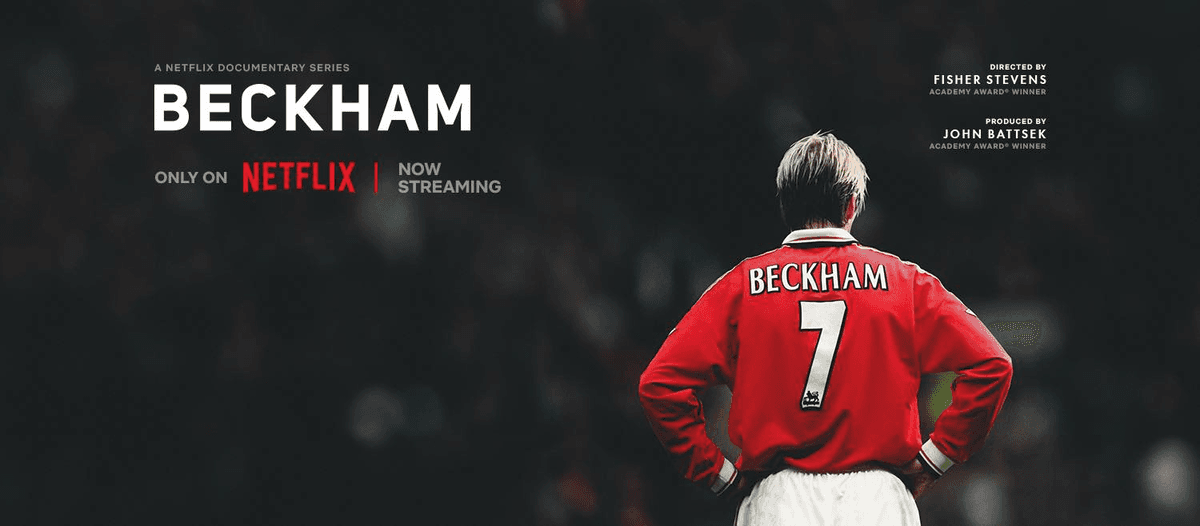
Lethal, curving free-kicks and immaculate charisma.
For decades, that blinding "light" was the defining shorthand for David Beckham.
Yet what the Netflix documentary series Beckham illuminates is the dark terrain directly behind that illumination: the unceasing public venom, the barbed tabloid headlines, the suffocating loneliness, and the enduring psychological ache.
His arc of glory was forged not merely in adoration, but in staggering forbearance and quiet retaliation.
Beckham as the Lightning Rod for a Nation's Wrath
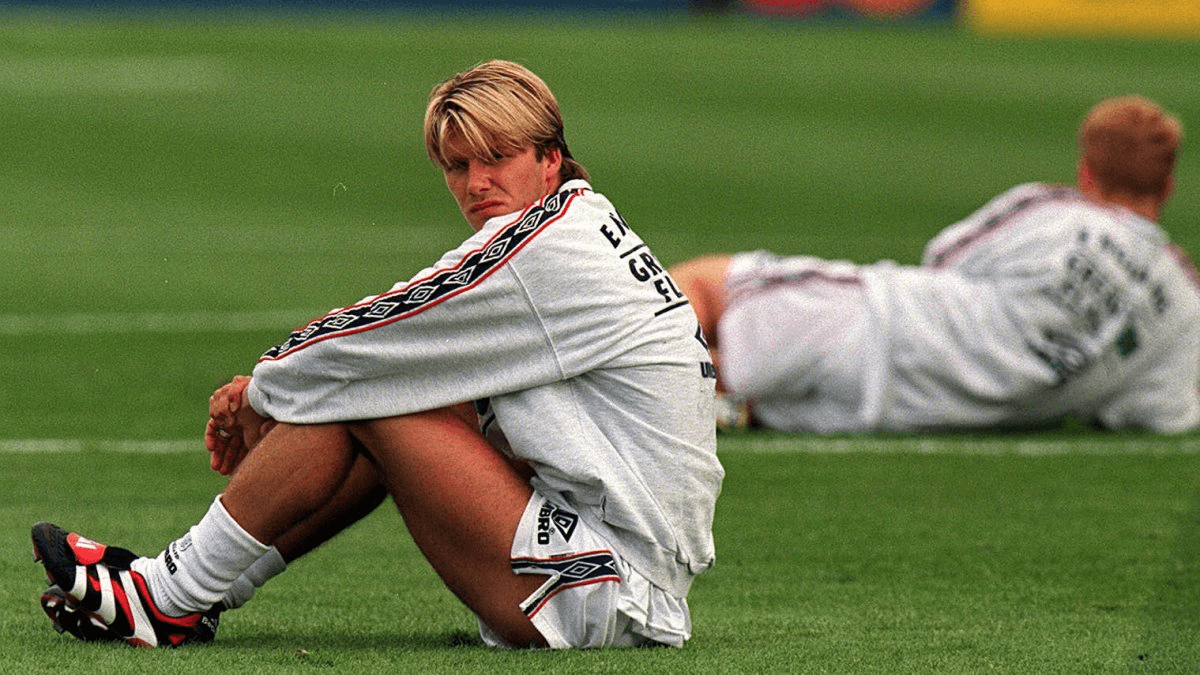
Behind the glittering veneer, his professional existence was permanently besieged by criticism.
Obsession with his haircuts rather than his crossing; front-page gossip rather than match-winning goals—this distortion continually skewed his true standing as an athlete.
Netflix’s Beckham distills that suffocating atmosphere onto the screen, peeling back the pop-culture mask to reveal an athlete taking deep, steadying breaths in the shadows.
1998: The Genesis of an Endless Nightmare
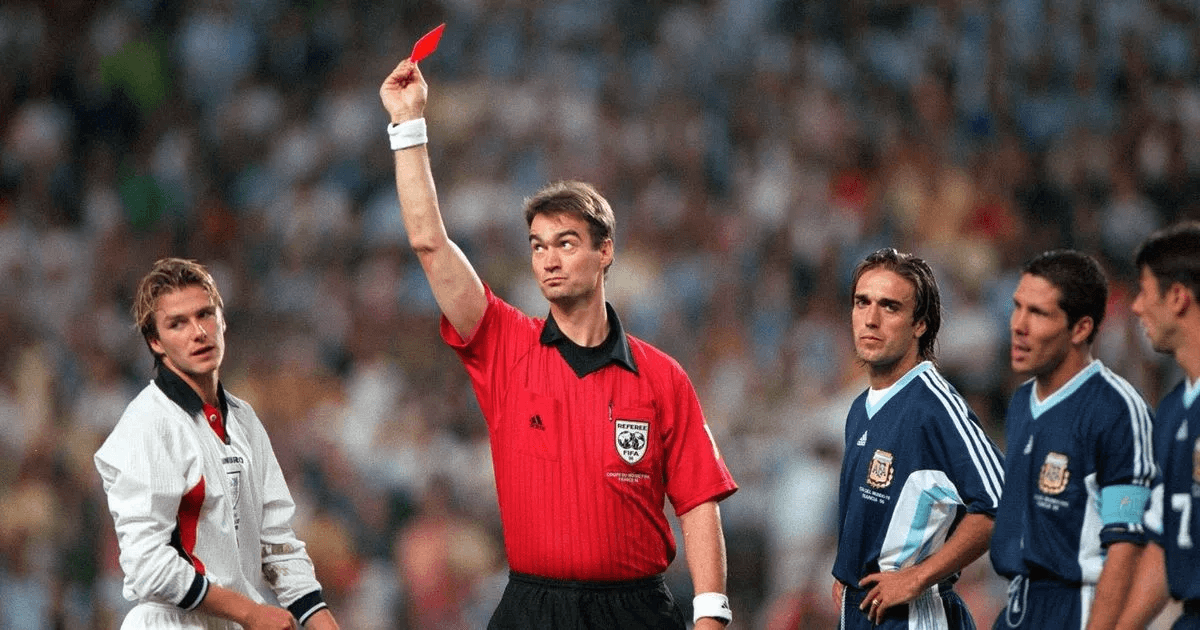
His dismissal against Argentina at the 1998 World Cup instantly transformed him into public enemy number one.
Screaming tabloid front pages, venomous terrace chants, relentless vitriol.
Following England's exit, even the Prime Minister publicly weighed in on Beckham’s culpability.
The public outrage spread with terrifying velocity, unyielding and merciless.
Step out onto the street, and there was deafening abuse.
Be recognized in public, and people spat on him.
The national rage mutated into something perverse, reaching the point of death threats mailed to his family home.
With nowhere left to turn, he retreated inward,
withdrawing into an emotional fortress day after day.
Netflix's Beckham captures with unvarnished clarity just how brutal, and how corrosive, that year of national hatred truly was.
Refusing Silence: Answering Only Through the Pitch
Yet he never engaged in verbal warfare; he let his right boot do the speaking.
Hours of solitary training, honing the precision of his deliveries to microscopic tolerances, offering his rebuttal on the grandest stages of European football.
The Premier League title, the FA Cup, the Champions League triumph in Barcelona—the historic Treble was no coincidence.
A steadfast conviction—"Answer every critique with performance"—drove him relentlessly forward.
How Solitude and Pain Polished His Greatness

Acclaim belongs to the crowd; intrusive scrutiny belongs to the crowd.
Yet solitude always remains the burden of the individual alone.
What makes Beckham so poignant is its refusal to romanticize suffering as cheap heroic decoration.
The lonely hours, the reverberating malice of stadium boos, the endless nights—he channeled all of that darkness into the trajectory of his next free-kick.
As his Manchester United teammates admitted:
"If any of us had been in his shoes, we would have broken completely. It was intolerable."
Why This Documentary Matters in the Social Media Era
Casual public condemnation has become the everyday background noise of modern life.
Beckham visualizes the profound personal damage that every syllable of malice can inflict upon a human being.
No matter what mistake is made on a pitch,
it never justifies the deliberate destruction of a person's dignity.
Against hollow vilification and booing, we must stand resolute.
Praise can be shouted until our vocal cords tear,
yet there is no excuse to waste our breath on hatred.
And for anyone standing in the crosshairs of relentless vitriol, Beckham offers a timeless masterclass: retaliation is achieved not through hatred, but through craft; not through screaming louder, but through undeniable excellence.
What Lingers After the Credits Roll
The crushing solitude and private agony underlying a global icon.
And the man who refused to stay down, rising again and again.
That image transcends simple sports nostalgia, resonating with the personal battles of every viewer.
"Cruelty can break a person. But disciplined craft and quiet resolve will always help them rise."
That quiet truth settles deep within the heart as the screen goes dark.