The Final Chapter of the Self-Made Titan: How a Boy with Nothing Sculpted "Cristiano Ronaldo"
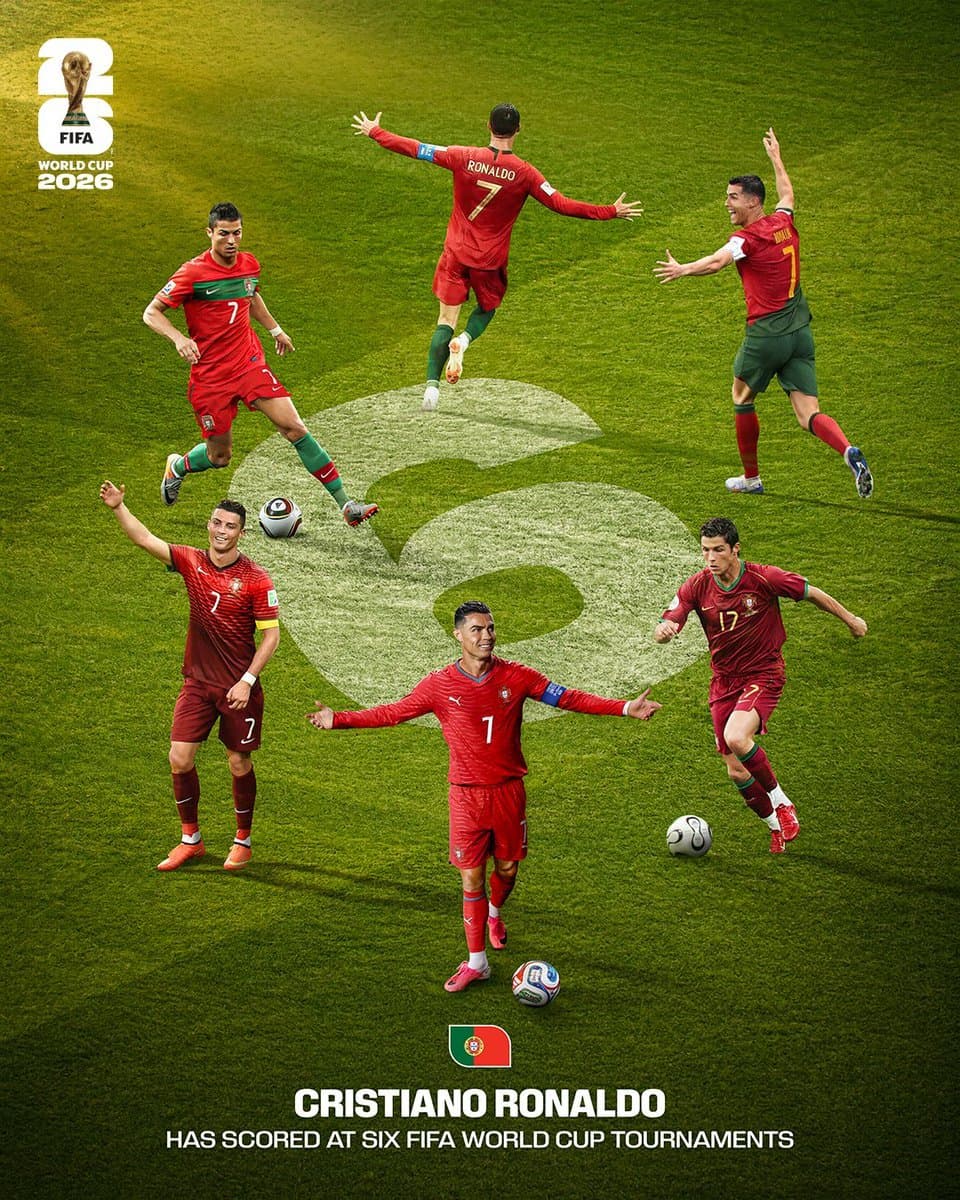
The 2026 World Cup.
As the grandest epoch in modern football edges toward its twilight, a persistent chorus of skepticism fills the air.
“He’s past forty; he can barely move.”
“The explosive sharpness has long departed.”
“He shouldn’t even be in the starting eleven.”
Pundits and columnists across the globe confront him with the cold, unyielding arithmetic of age, deploying clinical critiques against an aging warrior.
Yet throughout his life, adversity and censure have been the very whetstone against which he sharpens his greatness.
Whenever the world proclaimed he had reached his ceiling,
he retreated into silent, obsessive toil,
silencing the gallery with the indisputable reality of his goals.
His staggering litany of records has led many to assume he was simply a prodigy anointed by destiny—a heaven-sent monster. Nothing could be further from the truth.
In the beginning,
there was neither genius nor titan. There was only a scrawny, impoverished boy who owned nothing at all.
Everything that followed was forged out of sheer, bleeding devotion.
The Coldest Starting Line

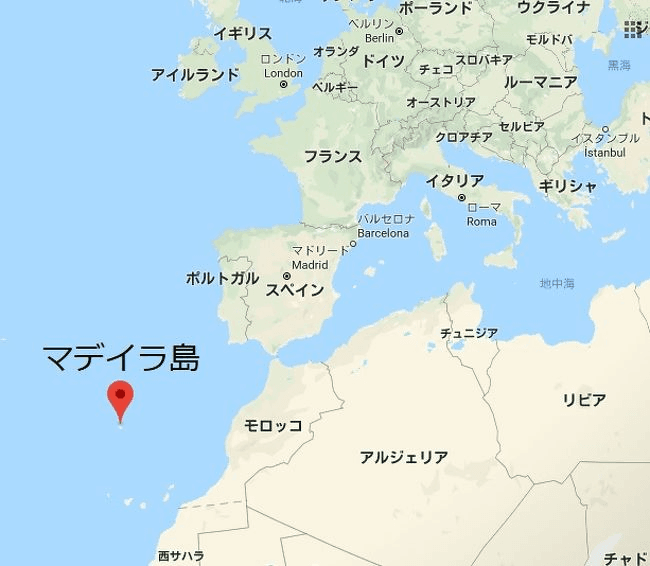
Born on the Atlantic outcrop of Madeira, the boy’s daily existence was the antithesis of stadium glamour. It was a bleak, raw battle for survival.
With a father consumed by alcoholism—a man who would die tragically young—the household hovered constantly on the brink of ruin. Gnawed by hunger, the boy would slip into the back alley behind a local McDonald’s after dark, relying on the quiet charity of kitchen workers who handed him leftover burgers.
His only ticket out of that suffocation, his family's sole salvation, was a battered football at his feet.
And so, at just twelve years old, he boarded a plane away from his mother’s embrace to enter the academy of Sporting CP on the mainland.
It was not the celebratory departure of a crowned prodigy; it was an act of desperate escape.
Yet what awaited him in Lisbon was only deeper isolation.
City boys mocked his thick island cadence; he became an easy target for ridicule.
The stories of him muffling his sobs into his pillow at night in the dormitory remind us that his iron constitution was not an innate gift. It had to be forged.
Back then, he was painfully slight—a waif few believed could ever withstand the rigors of professional football.
In an arena populated by naturally gifted physiques and aristocratic pedigrees, he had no armor with which to defend himself.
The Carrington Revelation and the Standard of Greatness
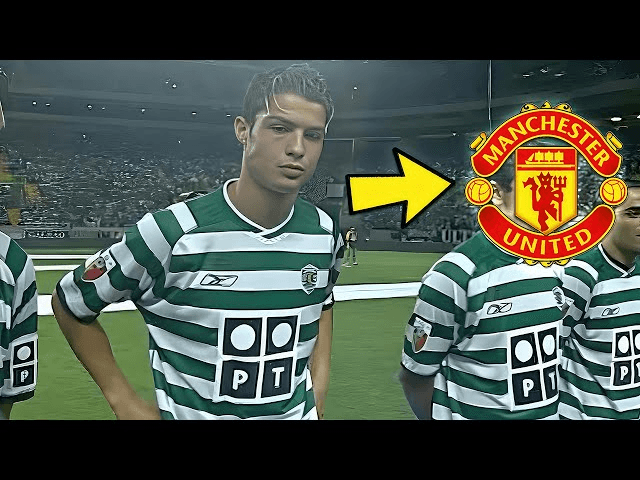
Yet surrender was never an option. Through a manic, punishing training regimen at Sporting, pushing his developing body beyond its limits, he earned a move to Manchester United at eighteen.
There, he encountered the mentorship that would alter his destiny forever.
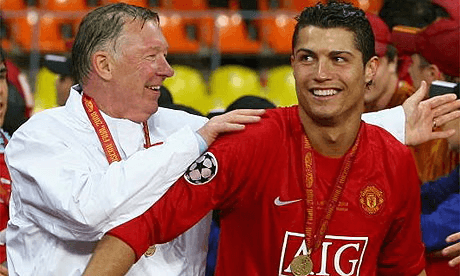
Sir Alex Ferguson looked at the raw, flamboyant winger and drilled into him what it truly meant to be the best in the world.
Surrounded by serial winners like Rio Ferdinand and Roy Keane, Carrington became his cathedral of discipline.
He observed how the veterans trained, how they recovered, how they treated their bodies as instruments. Rather than merely copy them, he refined their routines to suit his own physiology, staying behind in the gym long after the lights had flickered off. The frail boy who had once worn oversized shirts and been shoved off the ball like tissue paper had begun his metamorphosis into a machine.
Transcending the Human: The Invention of "Cristiano"
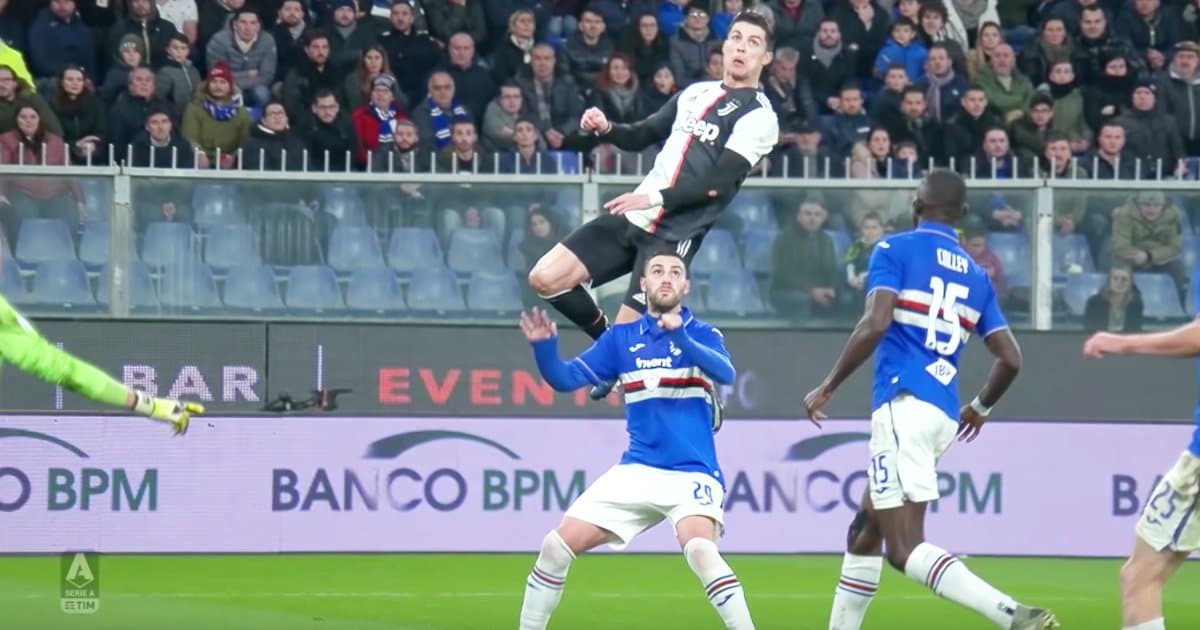
To bridge the chasm between raw human limits and immortality, he crossed into a domain where normal athletes dared not tread.
What he engaged in was far more than football training.
Using the rage and indignity of his impoverished childhood as rocket fuel, he remade himself from the marrow out. He sculpted "Cristiano Ronaldo"—an indomitable, relentless monolith forged entirely of sweat, discipline, and willpower.
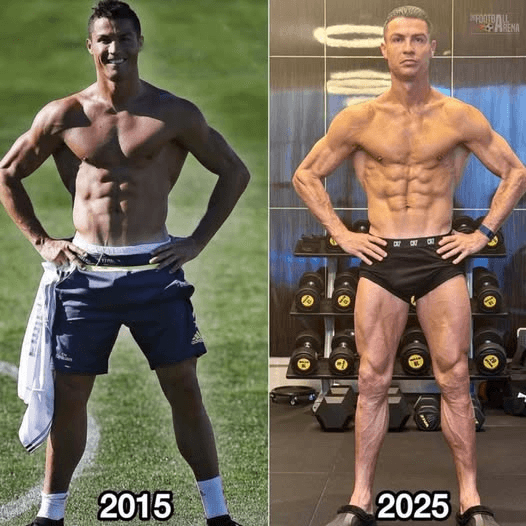
Former teammates often note that away from the pitch, Cristiano remains remarkably gentle, even vulnerable—at heart, still the sensitive boy who wept on Madeira. But on the grass, he resolved to bury every tremor of weakness, embodying the unapologetic, ferocious egoist the game demanded.
The price of that creation was total renunciation.
As glimpsed in his conversations with Ferdinand, his life was distilled to chicken, broccoli, sleep, and recovery—a monastic existence in which every waking second existed only to sustain the monument of his performance.
At the desolate peak where his unnatural devotion elevated him, only one other soul stood waiting: Lionel Messi, the Argentine whose touch seemed guided by divine grace.
The genius blessed by God, and the boy who engineered himself into a god.
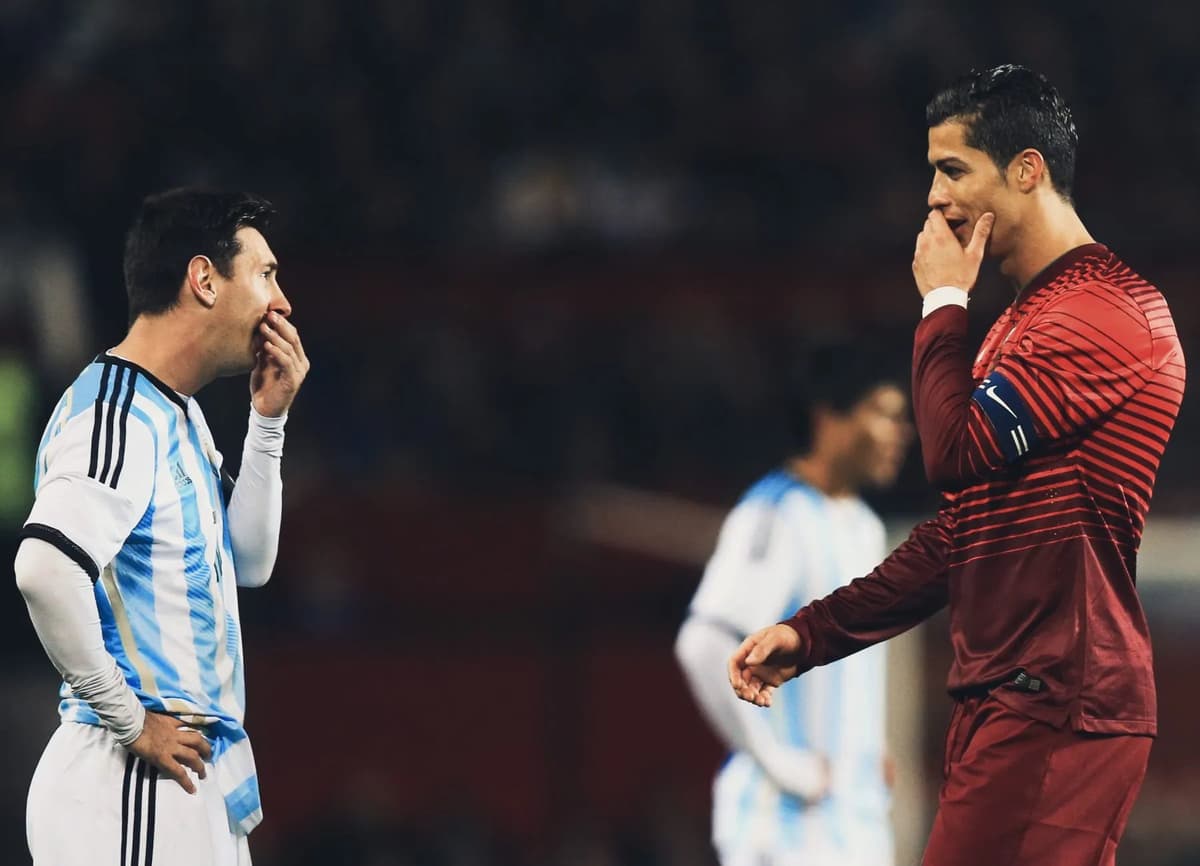
They collided as fierce adversaries, yet in the rarefied air only the two of them breathed, Messi was also Ronaldo’s truest mirror—the solitary being capable of understanding that altitude.
The Argentine’s impossible brilliance was the ultimate catalyst that drove Ronaldo deeper into his obsessive labor.
Toward the One Unconquered Peak
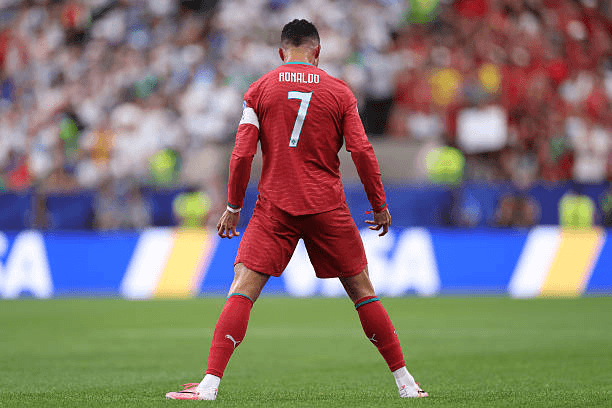
Decades have passed, and even the sculpted steel of his physique cannot evade time’s slow erosion.
Slower sprints and diminished mileage are biological certainties.
In the relentless calculus of modern pressing systems, murmurs questioning his relevance grow louder with each passing match.
Yet to a man who built an empire from dust, today’s skepticism is merely background noise compared to the terror of hunger in Funchal or the sting of mockery in Lisbon.
He is not moved by public praise or censure; he is possessed by an unyielding resolve to live out the myth of "Cristiano Ronaldo" down to its very last breath.
The stage he steps onto in 2026 is his final frontier.
It is the one summit that has eluded the greatest goalscorer the sport has ever witnessed: the golden mantle of the World Cup.
Whether he hoists the trophy aloft into the sky or falls to his knees in the grass,
the true significance transcends the numbers on the scoreboard.
What matters is the sheer weight of what we are witnessing: a weeping boy who possessed nothing, who built himself into the world's grandest icon through blood and sheer will, still throwing every fiber of his being at a rolling ball past the age of forty.
When he stands on the pitch, defying the whispers of his demise, the cynics lose their power. This is the final chapter of a living masterpiece crafted from a boy's life.
Those watching can only hold their breath,
and marvel at the infinite hours of sacrifice carved into his silhouette.
Who will the football gods choose in the end?
Share this story