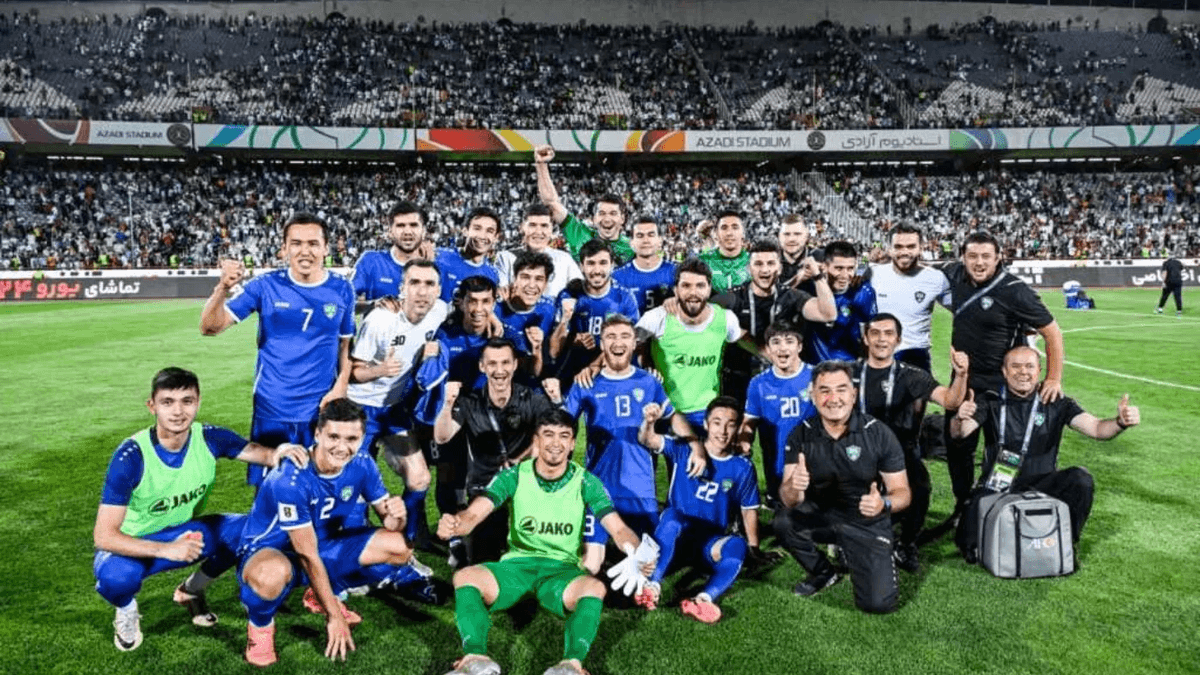
The Blueprint Borrowed from Japan: How Uzbekistan Engineered Its First World Cup Dawn
In June 2025, the Uzbekistan national team secured qualification for the FIFA World Cup for the first time in its history.
Navigating the grueling Asian final qualifiers, they finally grasped the ticket to the world stage that had eluded them for generations.
Having fallen short in seven previous qualifying campaigns at the critical juncture, they had long wrestled with a haunting question: "Why can't we take that final step? What are we missing?"
European outlets heralded their emergence as a sudden fairy tale, yet modern football does not trade in unearned miracles. To solve their structural deficiencies, Uzbekistan undertook a deliberate, state-backed transformation fueled by methodical planning and unrelenting resolve.
The Clue to the Puzzle: Japan as the Model

How does a nation learn how to win? Searching for an answer, Uzbekistan surveyed the Asian landscape.
Their gaze fixed upon Japan, a perennial World Cup participant that had steadily built an unshakeable foundation.
A delegation traveled to inspect the Japanese football landscape and unearthed the decisive element absent from their own homeland.
It was not a clever tactical scheme, but an expansive grassroots infrastructure—thousands of school pitches across every prefecture where children kick a ball daily—feeding a coherent pyramid that ascends naturally to the professional ranks.
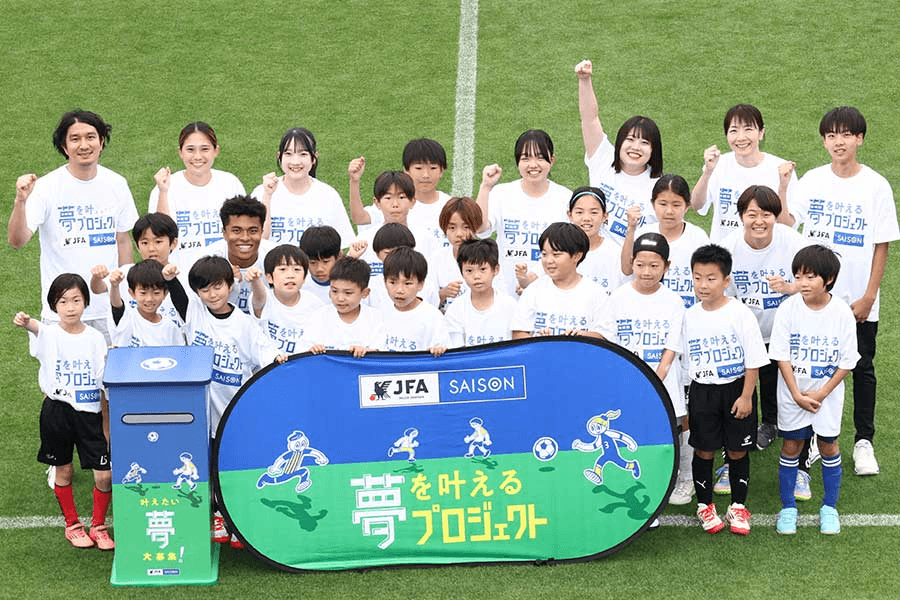
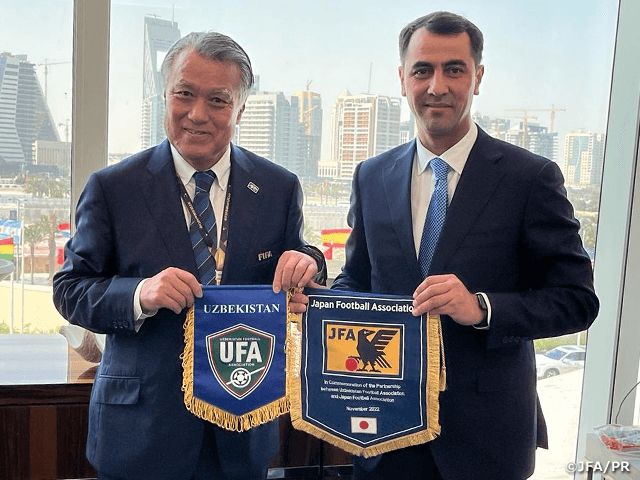
Armed with this clear reference point, Uzbekistan signed a formal partnership agreement with the Japan Football Association (JFA) in November 2017.
They resolved to replicate this formidable development ecosystem on Central Asian soil through their own unyielding dedication.
The Presidential Decree: Engineering Infrastructure by Law
Yet constructing nationwide infrastructure akin to Japan’s was beyond the reach of a football federation alone.
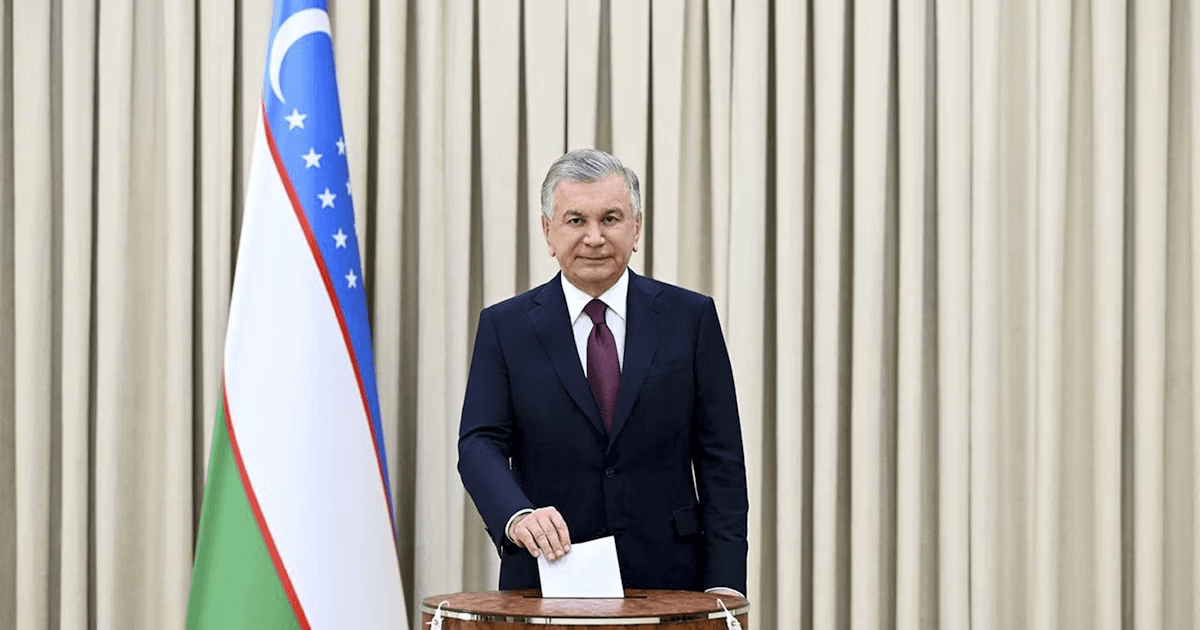
Uzbekistan chose to mobilize the highest authority in the land: an official Presidential Decree.
In March 2018,
to institutionalize the lessons learned from Japan, the state enacted sweeping legislation that transformed the country's sporting landscape overnight:
Mandatory establishment of National Football Academies across all 14 provinces
A strict legal ban on the rezoning or privatization of state sports grounds (protecting football pitches)
Mandatory inclusion of football facilities in municipal land auctions and real estate developments
Rather than waiting idly for raw talent to emerge, the state committed budget and legal power to manufacture the physical soil in which talent could reliably take root.
Layering Software onto Hardware: Bringing in a Legend

Once the physical facilities were erected, Uzbekistan imported the intangible curriculum. Japanese instructors were invited to instill facility governance and coaching licensing frameworks.
Before long, the dividends emerged: Uzbekistan’s youth sides swept continental titles at both U-17 and U-20 levels.
With the grassroots pipeline humming, the federation turned its sights to the senior team for the final piece of the mosaic.
To lead them, they appointed Fabio Cannavaro.
The sole central defender in modern history to claim the Ballon d'Or, a living monument of Italian defensive mastery.
What did these gifted youngsters from the academy system still lack? It was that ruthless edge in decisive moments and an uncompromising tactical literacy in defensive duels.
Cannavaro installed the sacred software of Italian defending into a hungry squad. When Central Asian athleticism and Japanese structural discipline blended with the craft of an Azzurri maestro, the national team became an ironclad collective.
The Crown Jewel: Abdukodir Khusanov at Manchester City

The alchemy of state-sponsored infrastructure and elite world-class tutelage yielded its ultimate masterpiece:
Abdukodir Khusanov.
Blessed with formidable duel-winning physical presence and icy cover-play anticipation, the young defender starred at RC Lens before completing a landmark €40m transfer to Manchester City in January 2025.
As the first Uzbek player in Premier League history, he now operates seamlessly within Pep Guardiola’s exacting system, snuffing out the world's most feared attackers without yielding an inch.
An Autonomous Evolution: The Looming Wall

Neither a historic World Cup debut nor Khusanov commanding the backline of a European giant was an accident.
They confronted their failures honestly, studied the Japanese model, deployed the machinery of state to lay the groundwork, and infused it with championship pedigree. It is the harvest of deliberate, sustained labor.
How far can this side go when they take the pitch in North America?
Their ascent may astonish the wider world.
Yet for Japan, it carries a sobering realization:
The student that once journeyed east to learn has evolved into an autonomous powerhouse—and the day it becomes Asia’s most formidable barrier to Japan itself is not far away.
Share this story