Is FIFA Truly an Evil Empire? The Unseen Realities Beyond the World Cup
July 19, 2026. New York, New Jersey.
In the 106th minute of extra time, Ferran Torres fired home the decisive goal.
Spain edged reigning champions Argentina 1-0, claiming their second world title since 2010.
Over a month of sheer madness drew to a close, leaving behind epic showdowns and unforgettable landscapes.
Yet what this tournament etched into our collective memory was not merely breathtaking drama.
It also left in its wake a deep, simmering distrust toward FIFA.
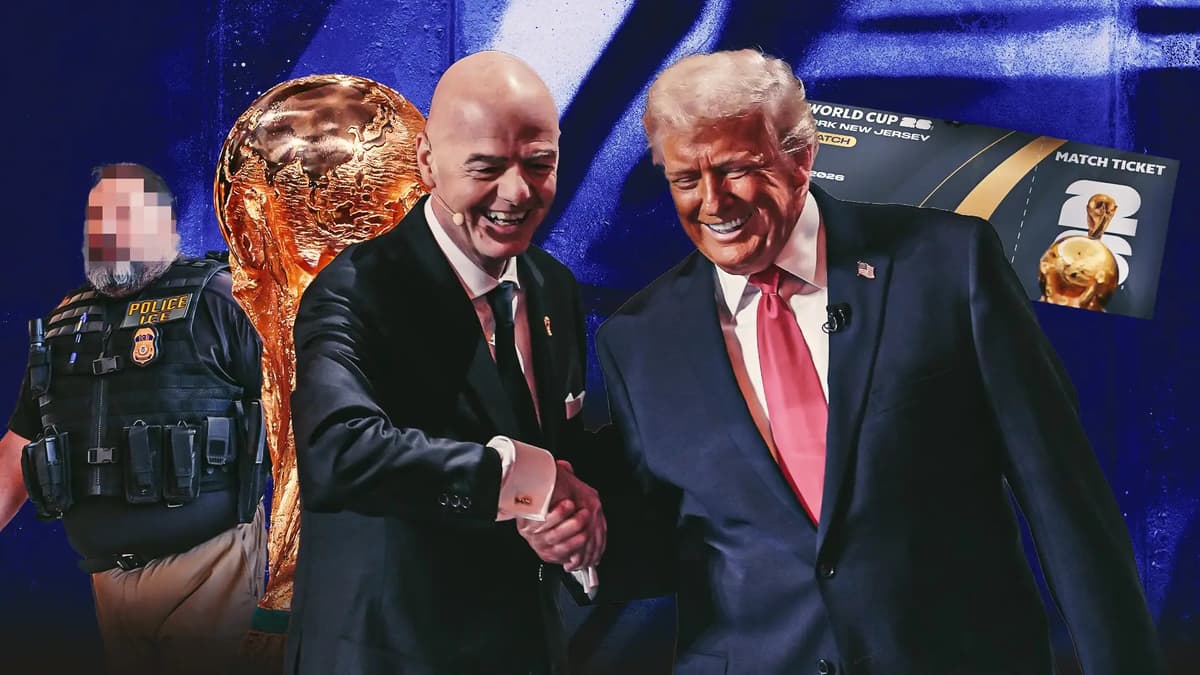
Official resale platforms flaunted group stage tickets surpassing $2,500, with final tickets commanding astronomical sums in the millions. Suspicions of political meddling arose when a single phone call from President Trump seemed to erase a red-card suspension for an American player.
Add to that a wave of baffling refereeing decisions.
Every time President Gianni Infantino appeared on the stadium jumbotrons, deafening choruses of boos rained down from the terraces.
https://x.com/ElmerAyala_PE/status/2077129850238738733/video/1
Fueled by fresh memories of past corruption scandals, supporters spat that "FIFA is finished" and "they care only about money"—a furious resentment that is entirely understandable.
Given the history they have authored, it is hardly surprising when they are condemned as a sinister cartel.
And yet, was the magnificent tapestry we witnessed throughout this tournament truly woven from malice alone?
https://x.com/Trivela_Futebol/status/2068524687383269715?s=20
On the pitch, players battled with fierce national pride, shedding tears under the crushing weight of their homeland's hopes.
And off the pitch, scenes of breathtaking beauty unfolded again and again.
https://x.com/Trivela_Futebol/status/2070703844582199315?s=20
The heartfelt, generous hospitality offered by the Mexican hosts.
The warm ovation delivered by Colombian supporters the moment Congo's national anthem concluded.
The thunderous Viking Clap echoing through arenas, chanted in unison by Norwegians and neutrals alike.
Fans from dozens of nations joining Japanese supporters to clean stadium rows after the final whistle.
https://x.com/Trivela_Futebol/status/2071911639625191697?s=20
Borders and cultural differences—so frequently weaponized into discord on nightly news broadcasts—were transformed inside these grounds into catalysts for mutual delight and reverence.
https://x.com/Trivela_Futebol/status/2068317846334210354?s=20
While there exists a FIFA that engenders cynicism and doubt, there is undeniably another FIFA that builds the very stage where such global communion and beauty flourish.
Now that the final whistle has blown, let us pose the question with sober clarity:
Is FIFA truly nothing more than an "evil organization"?
How much do we really understand about what they do during the "three years and ten months" when the World Cup is not on our screens?
The Unseen Work of FIFA
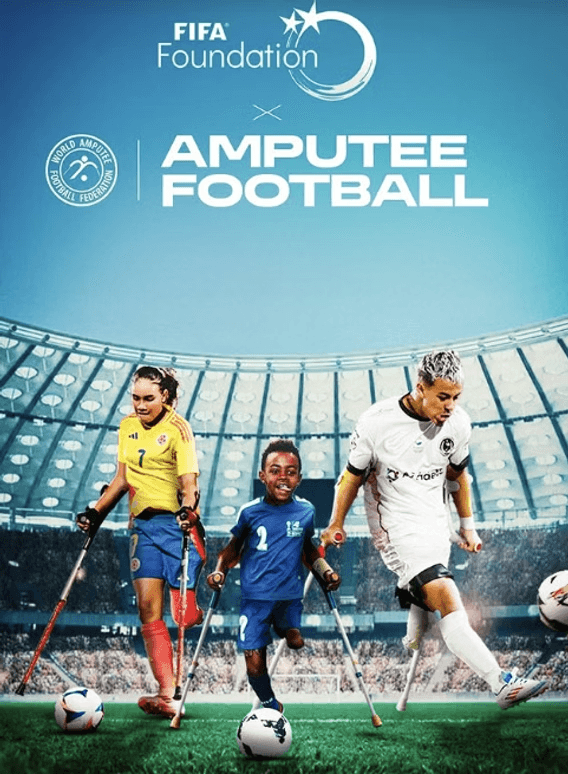
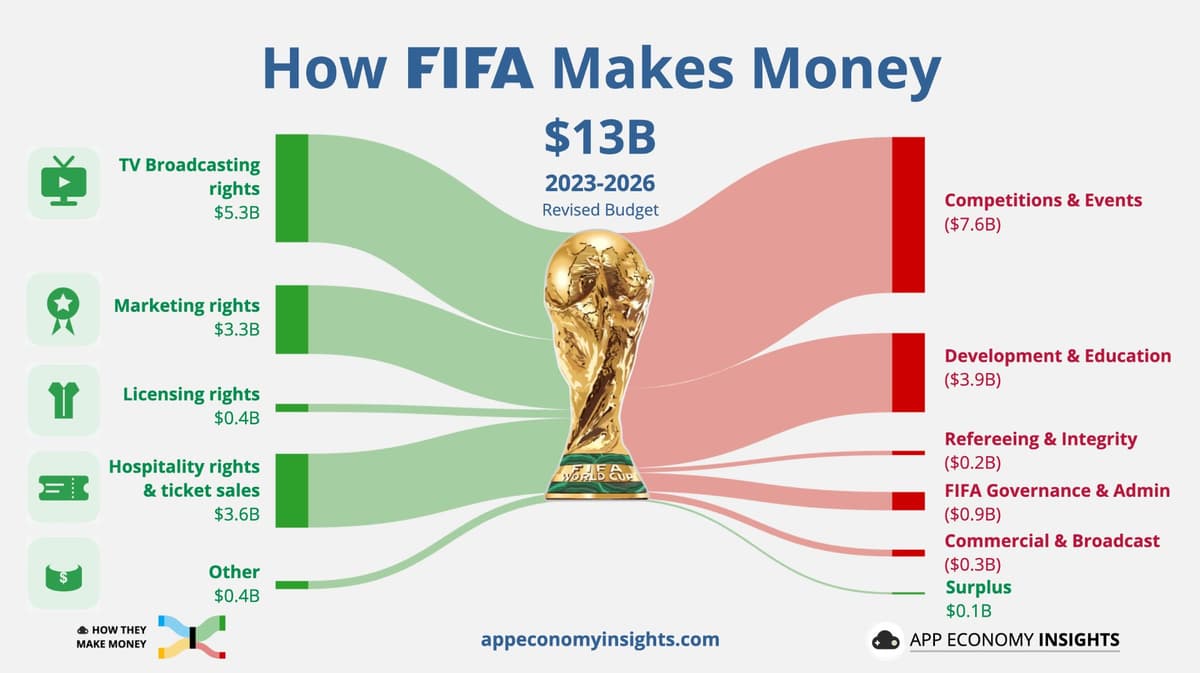
With the tournament expanding to 48 nations, FIFA projected revenues approaching $13 billion over the four-year cycle from 2023.
More fixtures, expanded broadcast rights, surging ticket sales, and heightened corporate sponsorship undeniably filled FIFA's coffers to the brim.
Yet those colossal revenues do not exist merely to line executive pockets or finance the logistics of the next quadrennial extravaganza.
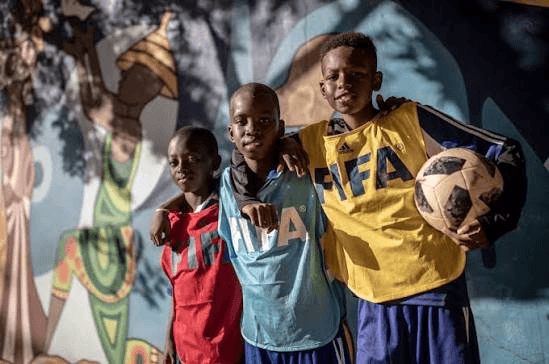
Nearly 30 percent of that revenue—a staggering $4 billion—is reinvested directly into development and education programs to plant and nurture the roots of football worldwide.
These funds keep national federations afloat, educate coaches, and build pitches where children can kick a ball. The wealth generated by World Cup passion fosters the next generation and ushers emerging football nations onto the world stage. FIFA's vital work truly begins after the stadium floodlights have dimmed.
The Unvarnished Realities Before the World Cup
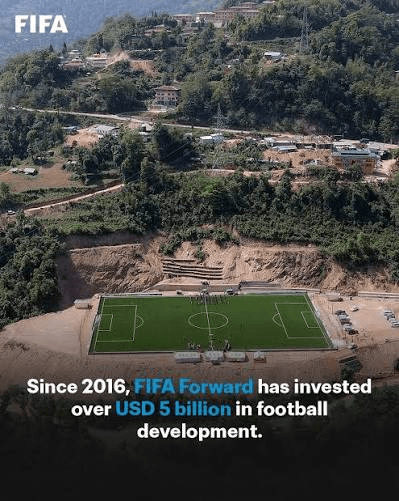
The first destination for those billions is the fragile daily operations of national associations and their teams.
Travel expenses, training gear, domestic leagues, and youth tournaments. In economically precarious nations, simply fielding a national squad and sustaining a domestic football infrastructure is nothing short of a miracle.
Through the "FIFA Forward" program, approximately $2.3 billion was distributed directly to member associations over the four-year cycle.
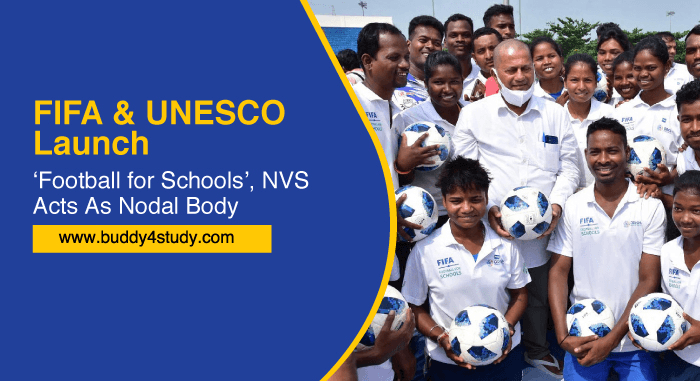
It trains grassroots youth coaches, repairs ravaged pitches, and erects floodlights so training can continue after twilight.
Uzbekistan, which achieved an emotional historic debut at this World Cup, is among the nations sustained by this vital support.
Behind their national football renaissance lay renovated training facilities, modernized changing rooms, and grassroots initiatives bringing football to children across 1,500 schools. The dazzling 90 minutes we watch on television are merely the final act; beneath them lies years of unglamorous, patient investment and cultivation.
Football as a Shield for Human Life
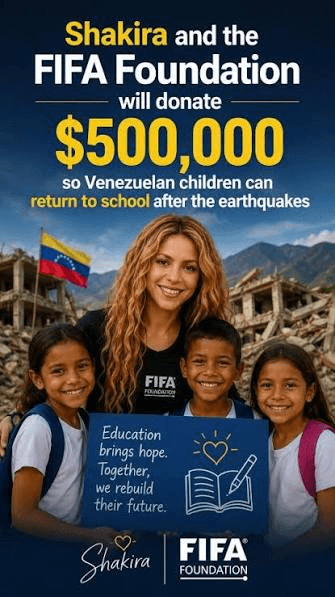
Moreover, the reach of these resources extends far beyond competitive football.
Through the FIFA Foundation, football serves as an entry point for safeguarding human dignity and basic livelihoods.
At a community center in Minnesota, local children play sports free of charge in a safe after-school haven that serves more than 30,000 warm, nutritious meals every year.
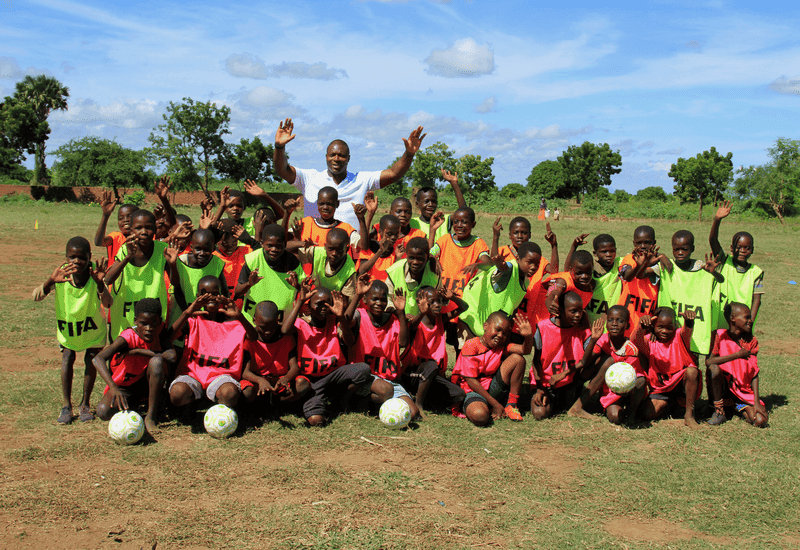
In Cameroon, refugee children displaced by conflict gather around football to receive education on malaria and HIV prevention, along with mosquito nets and daily essentials.
In communities where tomorrow's meal or safe shelter are daily uncertainties, football is far more than a sport. It is a universal tongue that gathers people together and bridges them to essential relief.
These grassroots endeavors will never lead a television broadcast, yet far from the glamorous arenas, football is undeniably saving lives.
Judge Them, Yes—But With Eyes Wide Open
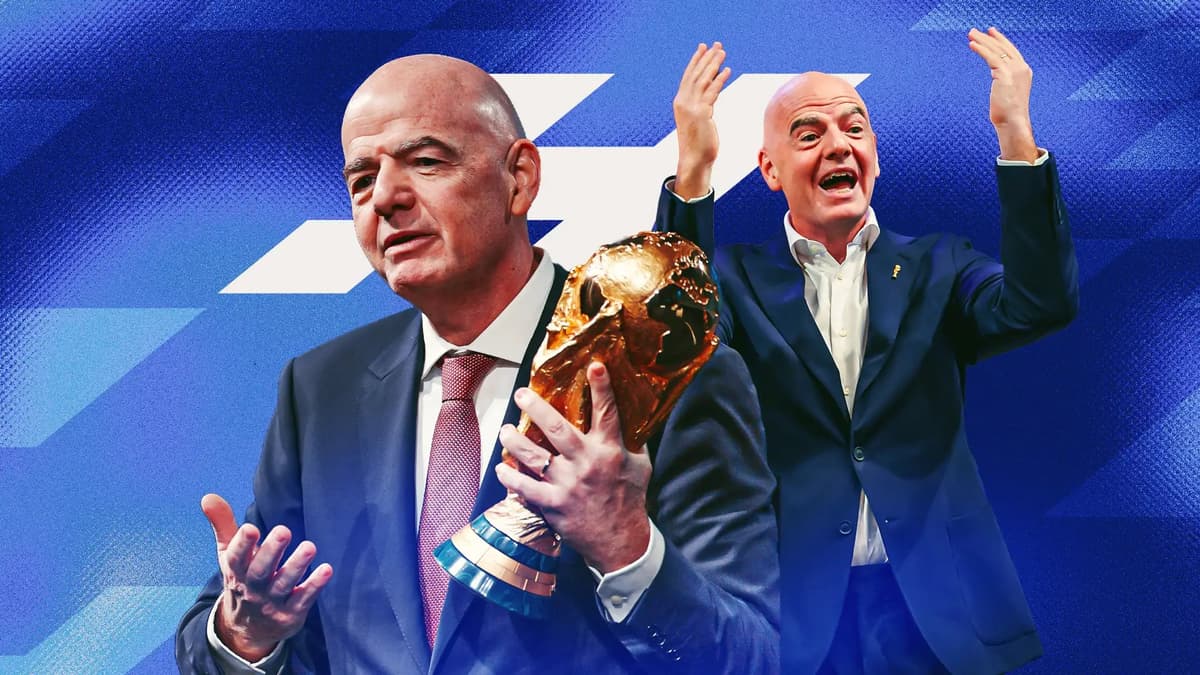
Because they make these contributions, should we turn a blind eye to ticket price-gouging and political entanglements?
That is not the argument at all. In fact, the truth is quite the opposite.
Precisely because FIFA holds the destiny and well-being of global football in its hands, it must be subjected to uncompromising scrutiny and the highest standards of transparency.
Why were certain ticket prices allowed to skyrocket into absurdity, and into whose pockets did those profits vanish? How could a political phone call even appear to alter decisions on the pitch? FIFA has an absolute obligation to provide clear, candid explanations to the fans. Noble charitable deeds in developing nations must never serve as an indulgence for backroom opacity.
Spreading the game to every corner of the planet demands immense capital, not merely romantic platitudes.
Generating revenue is not inherently sinful.
What matters—and what must always be questioned—is the integrity of the process: where did that wealth originate, and precisely how was it deployed?
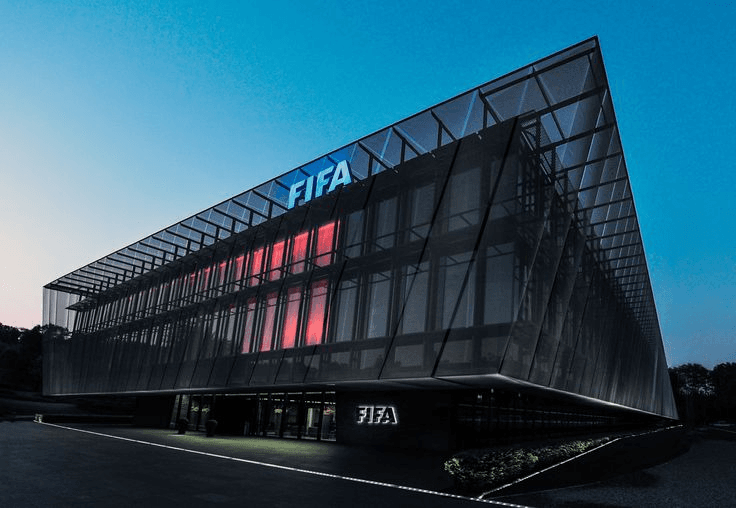
Is FIFA truly an evil organization?
To answer that, booing during the four weeks of a World Cup is woefully insufficient.
We must look at the remaining three years and ten months—where, for whom, and what they are building across the globe.
Acknowledge and applaud the genuine good they achieve. And with equal fervor, scrutinize their opaque machinations without concession, demanding rightful accountability.
Because we love this game with all our hearts, we must understand their work deeply—and hold them to account more fiercely than anyone else.
Share this story