Targets of Scorn or Keepers of the Pitch: The World Cup Referee's Other Journey to the Summit
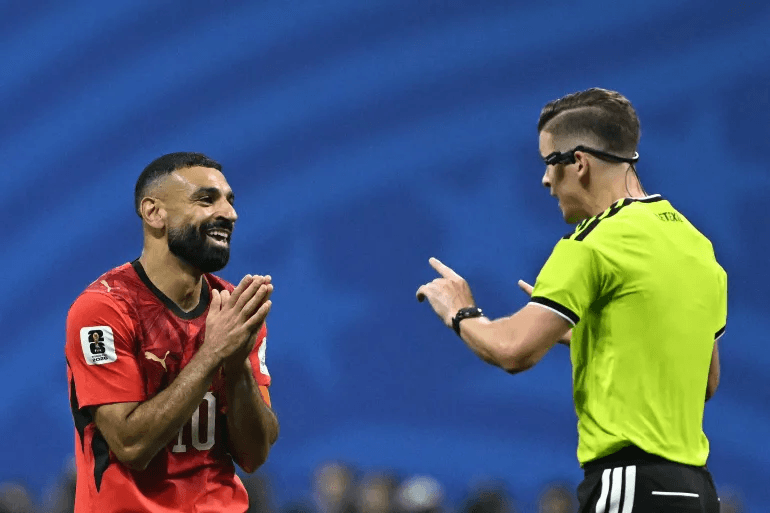
The 2026 World Cup. Between unprecedented geopolitical controversies involving President Trump and a string of contentious calls across key encounters, the men with the whistle found themselves under a more unforgiving spotlight than ever before.
In an era where state-of-the-art technology exposes reality to the millimeter, not the slightest refereeing error is forgiven. Calls that once dissolved into the atmospheric roar of the terraces are now laid bare by dozens of high-definition cameras.
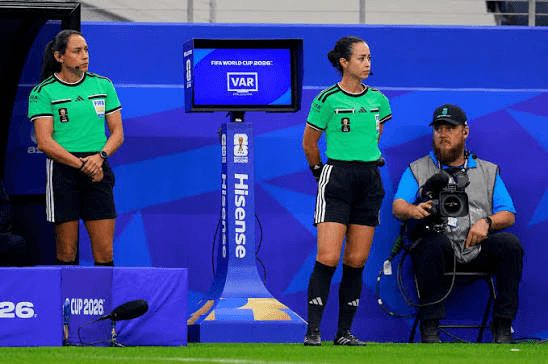
Those dissected moments are swiftly clipped and scattered across social media within seconds. Unlike comfortable armchair viewers who can parse slow-motion replays at leisure, the referees on the pitch must make instantaneous decisions amid chaotic kinetic fury. Halting the game for leisurely committee meetings with the VAR room every few minutes is out of the question. Yet critics wielding the "objective truth" of their screens multiply, with online fury escalating too often into venomous character assassination.
Yet before joining the chorus of condemnation, there is one profound truth we must never forget.
The men standing in the center circle are far closer to "ordinary people" like us than the pampered superstars nurtured from childhood in elite academies. They reached that sacred turf through blood, sweat, and unyielding passion—fellow lovers of football whom we ought to cherish.
Another Way to Fight: For Those Who Could Not Be Players
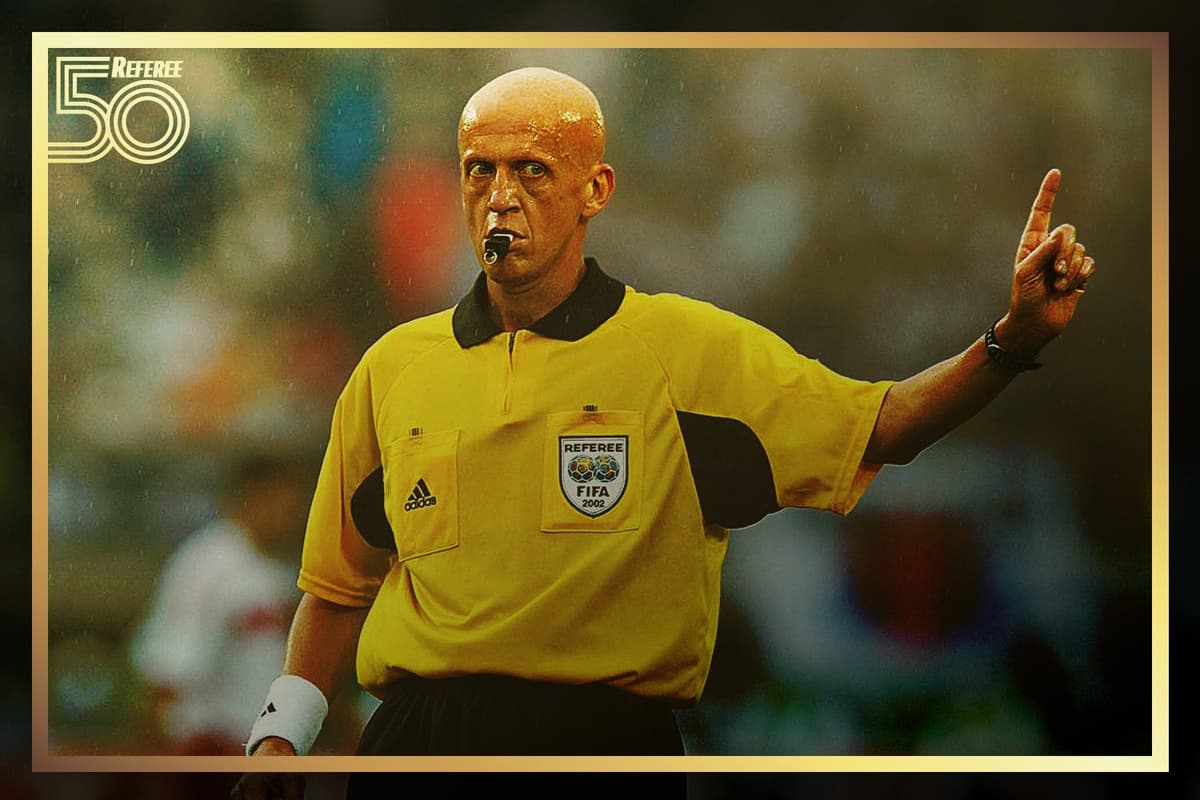
How does anyone actually rise to become a World Cup referee?
Most professional footballers are chosen prodigies from early youth.
Polished in manicured academies, they tread the gilded path of the victors. Cheers accompany their every step, and iconic shirt numbers are bestowed upon them.
The referee's path is entirely different. Nobody dreams of holding a whistle when they first fall in love with the ball. Most are those whose playing dreams were cruelly crushed, yet who simply could not bring themselves to walk away from football.
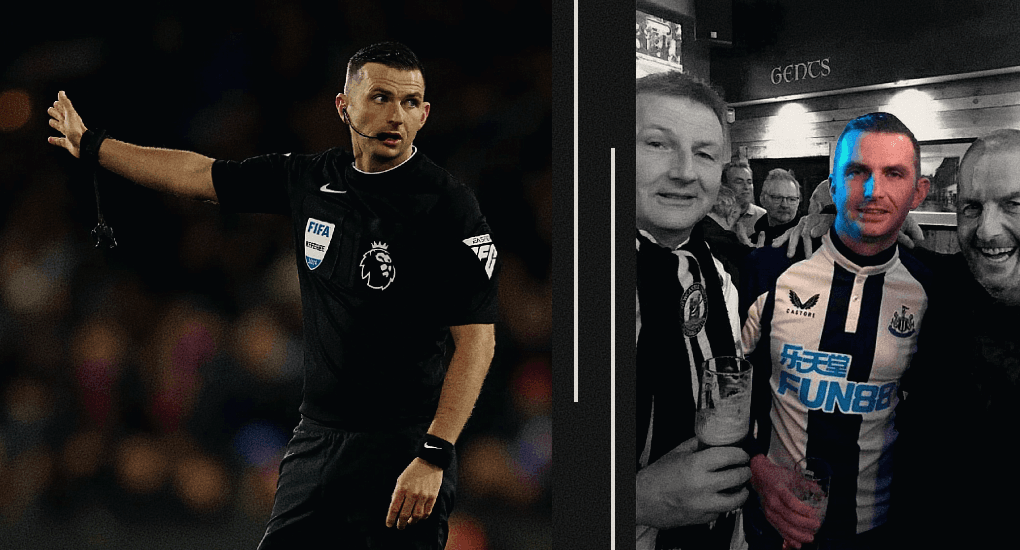
Consider Michael Oliver, one of the Premier League's most renowned officials.
He flatters no superstar, nor does he yield an inch to the immense weight of the big clubs. While that unyielding stance occasionally enrages defeated sides, beneath his steely composure lies the memory of profound heartbreak.
As a boy, he was a hopeful in Newcastle United's academy. But at 14, the brutal reality of talent's ceiling arrived: his dream of turning professional was dead.
Most boys hang up their boots and retreat to the stands. But unable to surrender the scent of cut grass, Oliver took up the whistle at the urging of his father, himself a referee. If he could not be the striker basking in the cheers, he would climb the mountain by another route.
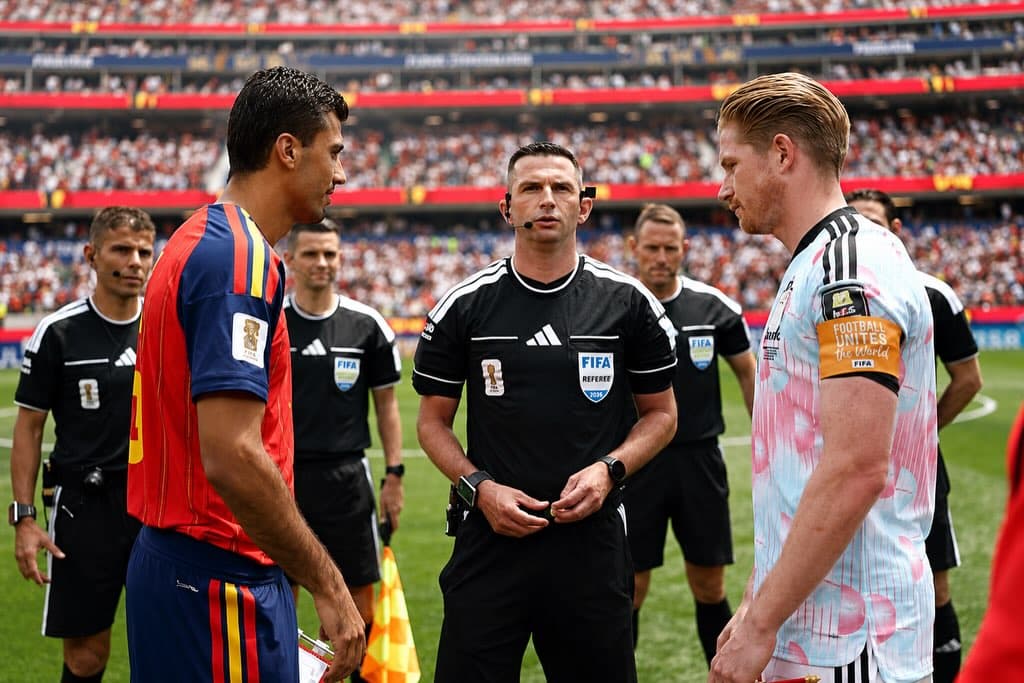
His refusal to blink in front of global icons is the hallmark of his "other way of fighting"—a summit conquered by his own two feet after his playing dreams were shattered. Now at the pinnacle of his profession, Premier League conflict-of-interest rules decree that he can never officiate a match involving his beloved Newcastle. A bittersweet irony, yet the ultimate badge of honor for a heartbroken boy who scaled the highest peaks of the game.
Beyond Mud-Soaked Weekends
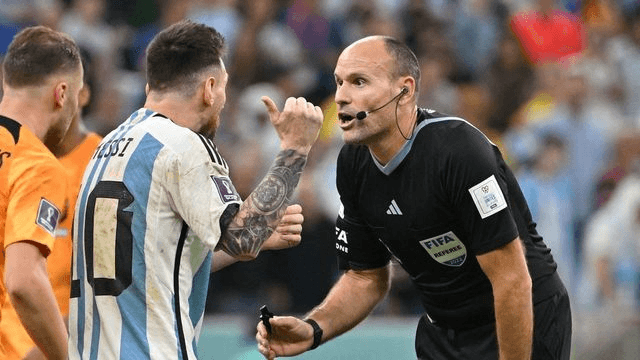
The terrain they traversed on their climb is seamlessly intertwined with ordinary daily life.
Spain's Antonio Mateu Lahoz, famed for his flamboyant authority, was a physical education teacher. England's Anthony Taylor worked for over twelve years as a prison officer. Howard Webb, who took charge of the 2010 World Cup final, was a police sergeant.
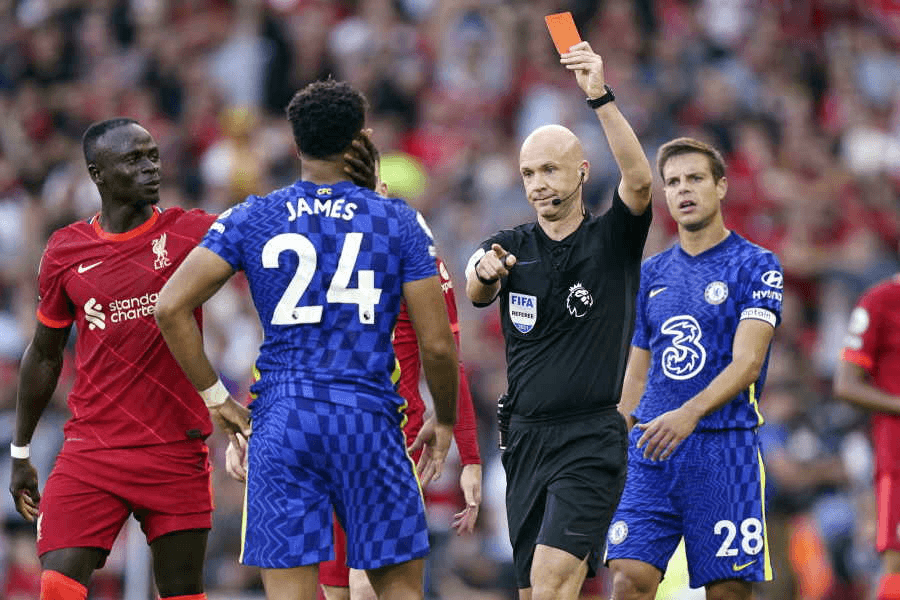
From Monday to Friday, they confronted students, inmates, or citizens, bearing the strain of grueling professions; when Saturday arrived, they traveled to muddy local parks. No VAR, no private security. Only vitriol from amateur players and drunken jeers from the touchline. For a few banknotes of pocket money, they blew their whistles week after week.
Managing volatile inmates within cold prison walls, then soothing hot-headed amateur players on rain-drenched grass on Sunday mornings—they sustained this double life for years. Why endure such misery? For no other reason than that they were utterly bewitched by football's spell.
A Pyramid of Twenty in Thirty Thousand
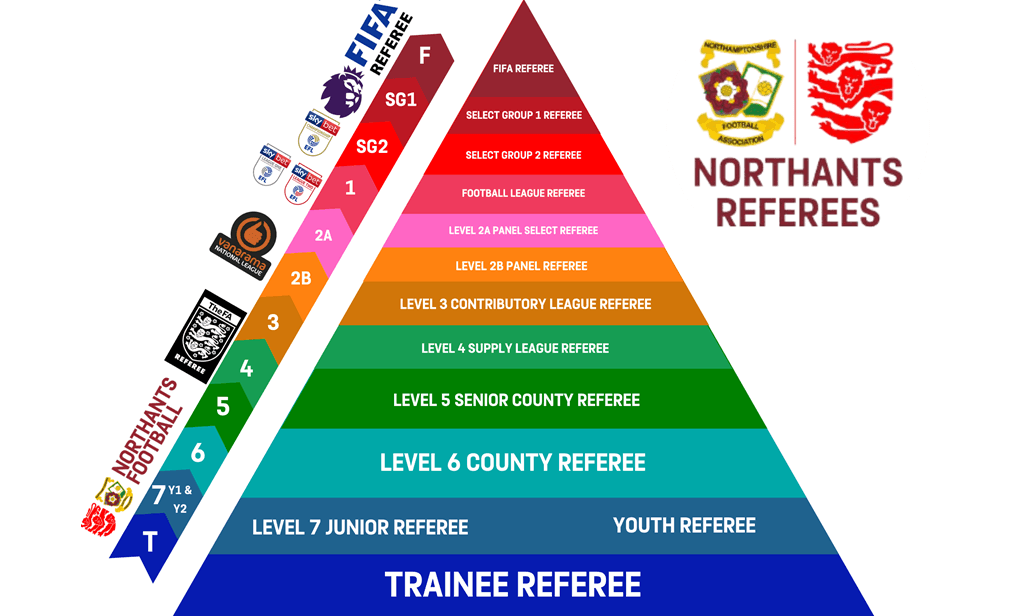
In refereeing, there are no shortcuts, no prodigies skipping grades.
Unlike teenage sensations bursting onto the global stage overnight, a referee must begin at the muddy bottom of Sunday leagues, clearing rigorous promotion assessments one tier at a time.
Even the finest take at least ten to fifteen years—and over a thousand grimy, unforgiving matches—before ever earning a shot at a professional league like the Premier League. It is not an ambition one decides on a whim and achieves in a few short seasons.
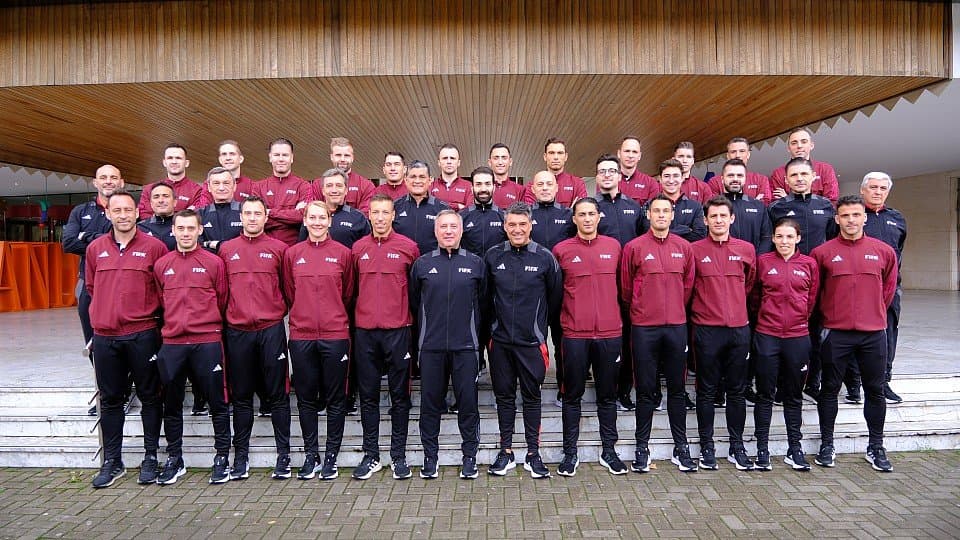
In England, out of roughly 30,000 registered referees, only about twenty ever step onto a Premier League pitch. And to be selected for a World Cup is an almost astronomical lottery of one or two officials. A solitary mistake makes you a national scapegoat, praise is virtually non-existent. Only individuals possessed by abnormal devotion can endure fifteen years of solitary grind to stand in that center circle.
The Other End of the Dream

Walking onto a World Cup pitch is universally recognized as the pinnacle of a player's career. We revere Messi or Mbappé unconditionally because we understand the unfathomable sacrifices they made to reach that grass.
Yet few ever pause to realize that for a referee, too, that pitch represents the culmination of a lifetime's devotion—the far end of a dream.
For the grand finale of this tournament, Slovenia's Slavko Vinčić was appointed referee. When told of his selection, the 46-year-old buried his face in his hands and broke down in tears. A burly, hardened man who had withstood unimaginable pressure from across the globe wept openly like a child.
https://www.instagram.com/reel/Da4Uz6quFPf/
Those tears told the full weight of a dream chased across decades of mud. A role that nobody aspires to as a child, a position perpetually destined for criticism. Yet it remains a sacred sanctuary reached by offering up one's entire existence.
They are flesh and blood, not algorithms. Human error is inevitable. When a call goes against our team, anger is natural; arguing over controversial calls over pints at a tavern is the eternal birthright of the football supporter.
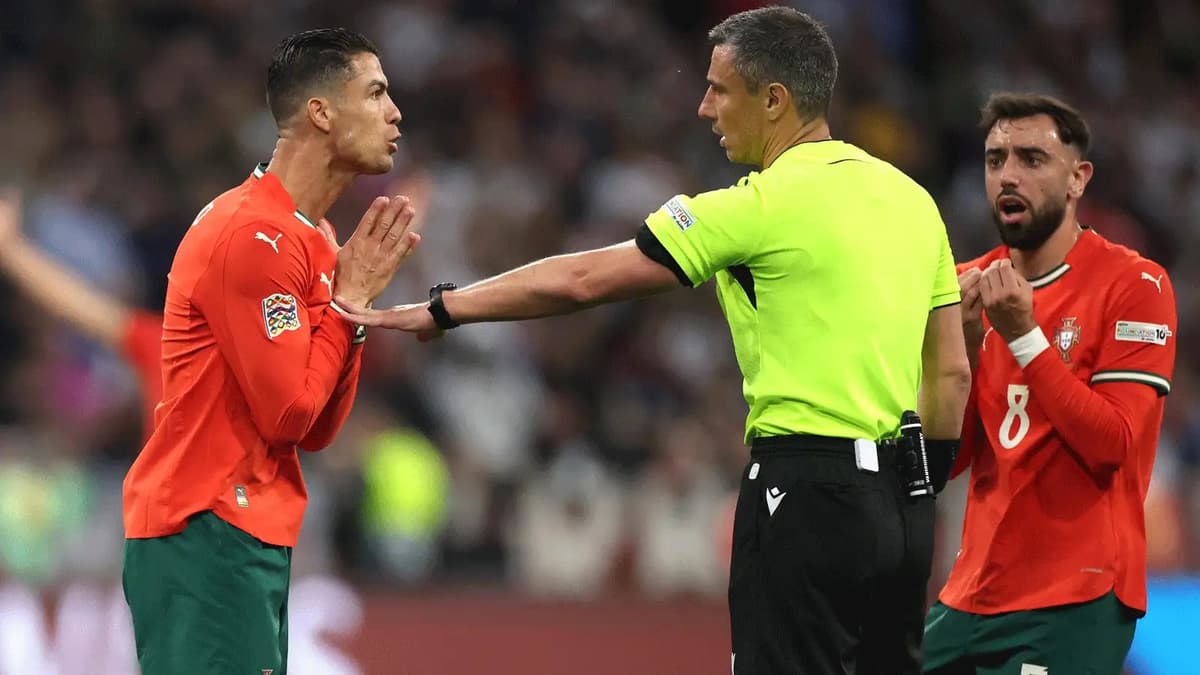
Yet before reaching for a smartphone to unleash personal vitriol, picture the pitch for a moment.
Alongside twenty-year-old superstars executing dazzling step-overs, do you see twenty-year-old referees? Not a single one. The deep creases etched into their foreheads and the piercing gaze in their eyes are living proof of more than a decade crawling out of anonymous, rain-soaked pitches.
https://www.instagram.com/reel/DXGIVC7gIHZ/
They are not cold tyrants governing the match from a detached perch.
They are unyielding, passionate lovers of the game who, told that their playing talent was not enough, refused to leave the pitch behind. Men who sacrificed countless weekends to stand in the center circle—captives of football, just like the rest of us.
No spectator behind a glass screen has the moral right to strip them of their dignity. Standing firm as guardians of the pitch amidst the storm of criticism, they too are our beloved accomplices—their lives wonderfully, irrevocably derailed by the magic of football.
Share this story