🔴🔵 Fierce Rivals Under One Sacred Roof: The Secrets of San Siro and Milan’s Shared Cathedral
⚽ A Rarity in Global Football: Two Bitter Rivals Under One Roof
World football is defined by deep, tribal rivalries.
Yet almost universally, conflicting tribes guard their own private fortresses separated by city boundaries or demographic divides.
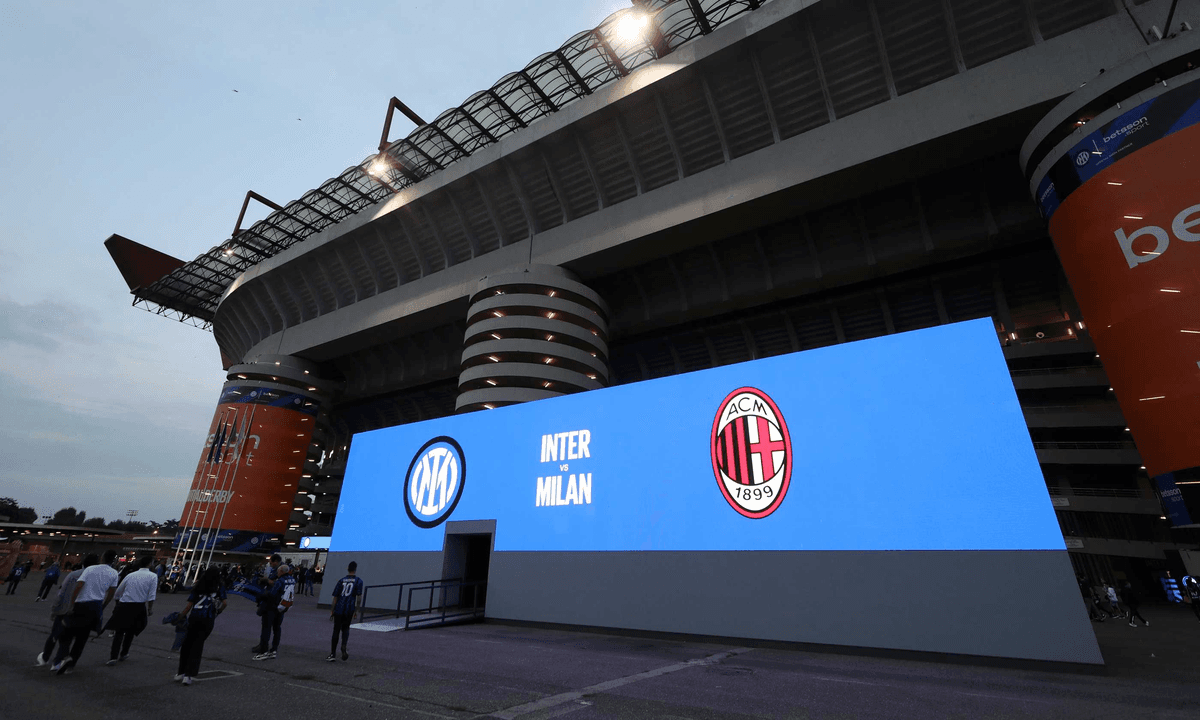
In Milan, however, two undisputed giants of the continent—AC Milan and Inter—cohabit the exact same patch of sacred earth.
Its name is spoken with reverence across borders:
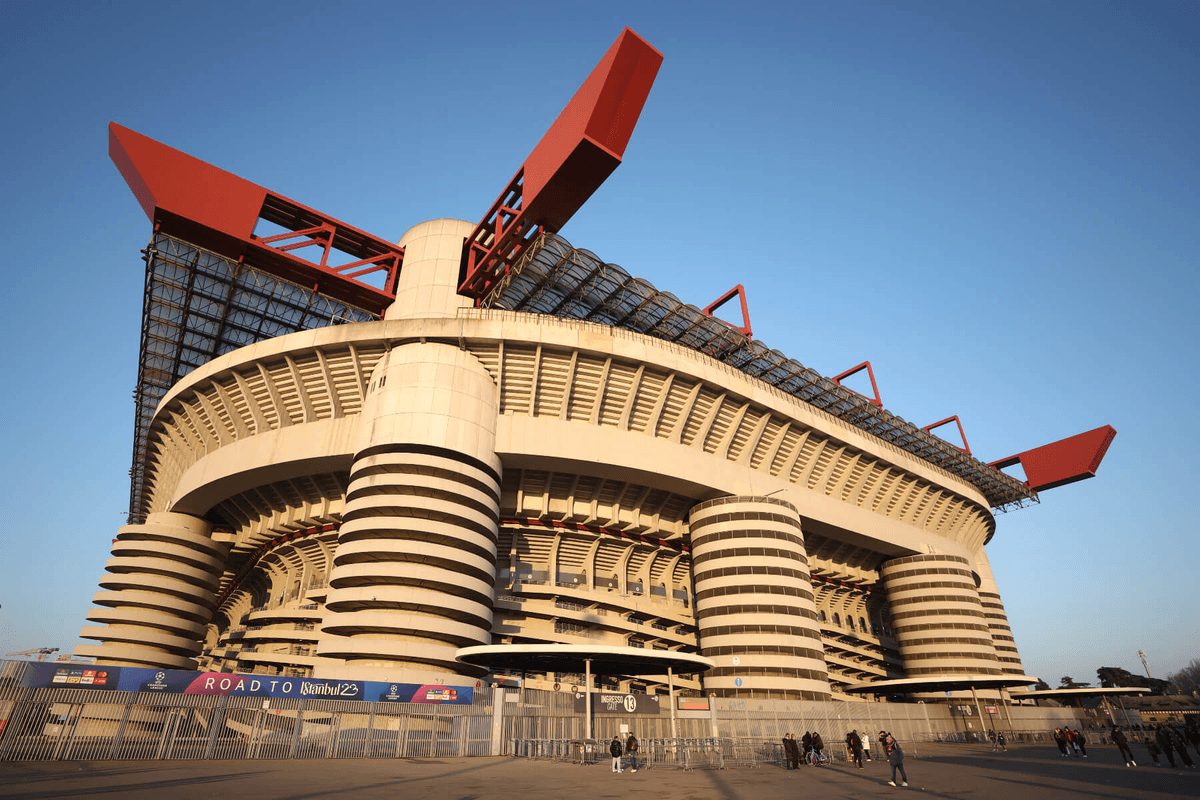
🌟 San Siro (known officially as the Stadio Giuseppe Meazza)
How did these two storied leviathans come to share this monumental amphitheatre?
Let us trace the footsteps of history and the secret chemistry of this Italian cathedral.
🏗️ San Siro by the Numbers: Anatomy of a Cathedral
-
Inauguration: September 19, 1926
-
Capacity: Approximately 75,000 spectators
-
Official Name: Stadio Giuseppe Meazza
(Dedicated in 1980 to the legendary forward who won two World Cups and donned both shirts) -
Popular Name: San Siro (After the western Milanese district where it stands)
Among football purists, a romantic distinction persists:
✅ The Milan faithful call it → San Siro
✅ The Inter faithful call it → Giuseppe Meazza
…a linguistic duel that mirrors the civic rivalry itself.
(Though in day-to-day Milanese chatter, the names often weave together fluidly).
🕰️ Why Share? The Accidental Genesis of Coexistence
① Originally AC Milan's Private Temple
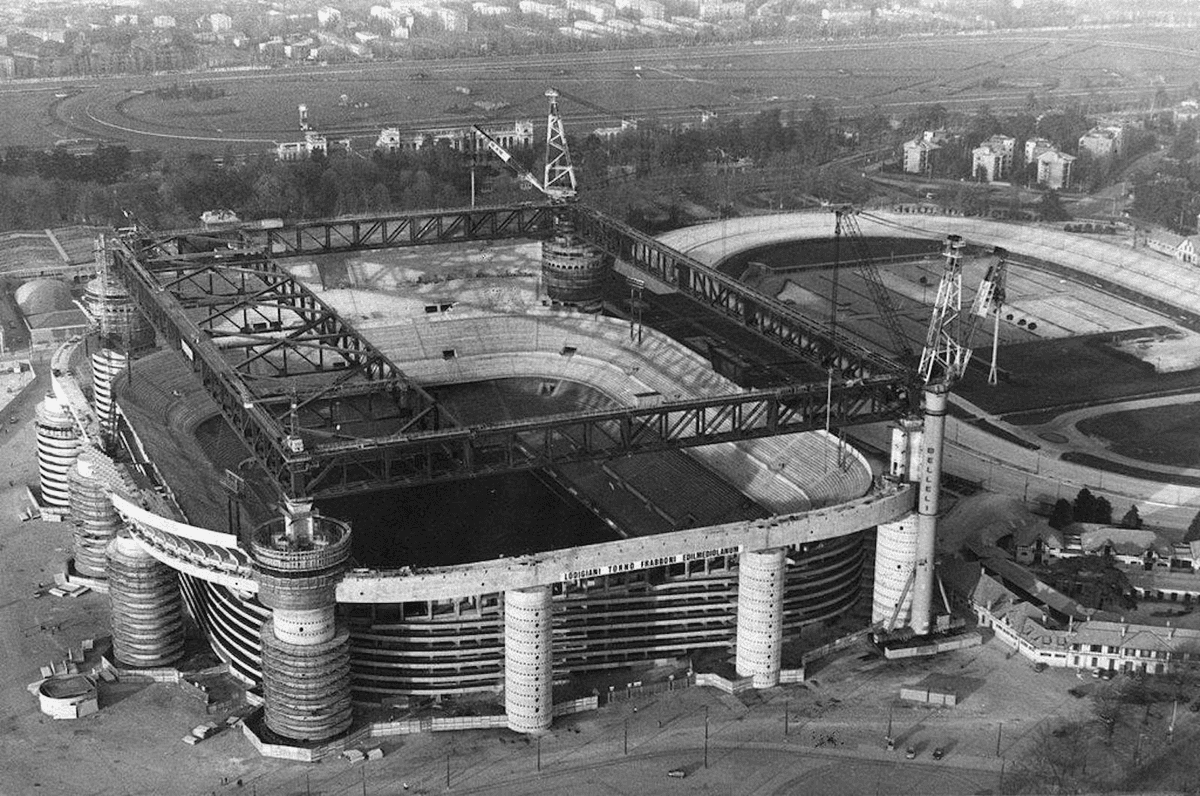
When San Siro was built in 1926 under the presidency of tire magnate Piero Pirelli, it was conceived strictly as AC Milan’s home.
At that time, Inter played their football within the historic neo-classical walls of the Arena Civica in the city center.
② Inter Arrives in the Post-War Dawn
In the wake of World War II, as European football underwent massive democratization and crowds swelled, Inter moved into San Siro in 1947.
This transition was dictated by:
✅ Post-war economic pragmatism
✅ Urban infrastructure consolidation
Two giants realized that sharing one majestic venue was the most viable path forward for the city.
③ The Custodian: The Municipality of Milan
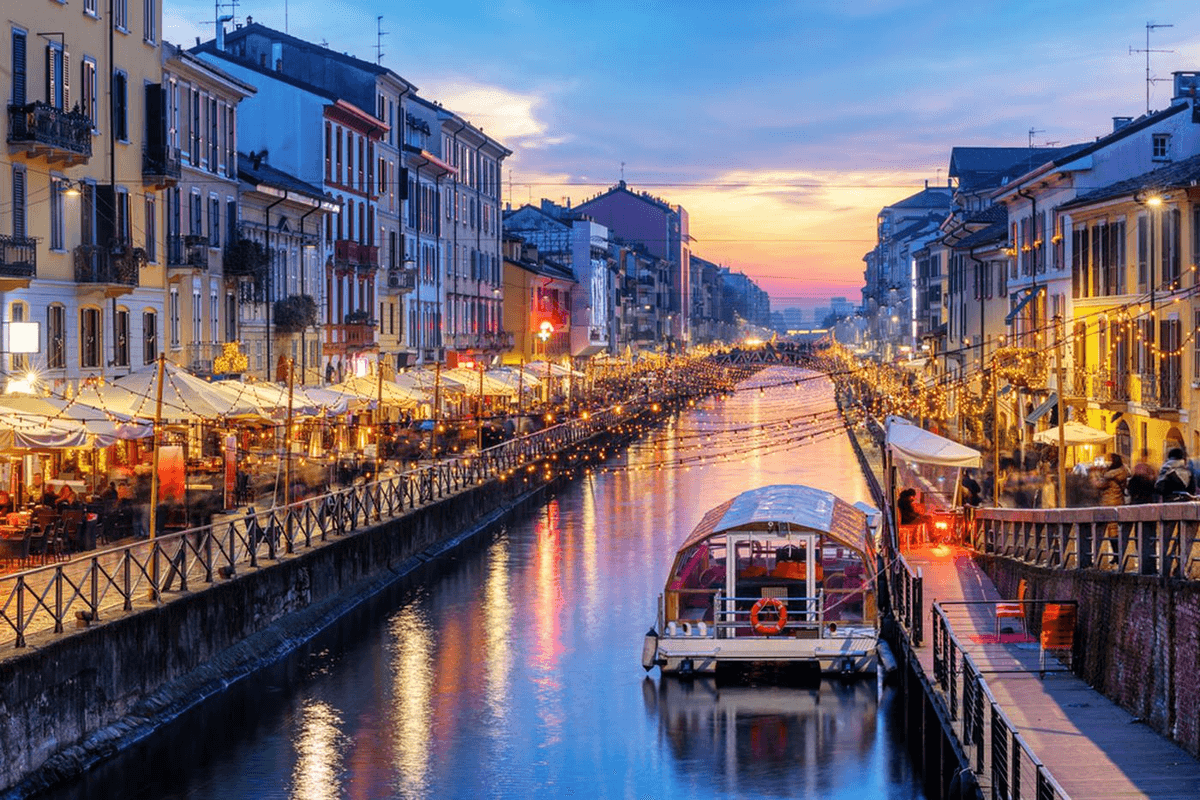
Crucially, San Siro does not belong to either club: it is public property owned by the City of Milan (Comune di Milano).
The municipal administration manages the landmark, and both clubs rent the premises, sharing maintenance through a joint consortium.
🏙️ A Shared Stage, Two Distinct Souls: The Ritual of the Derby della Madonnina
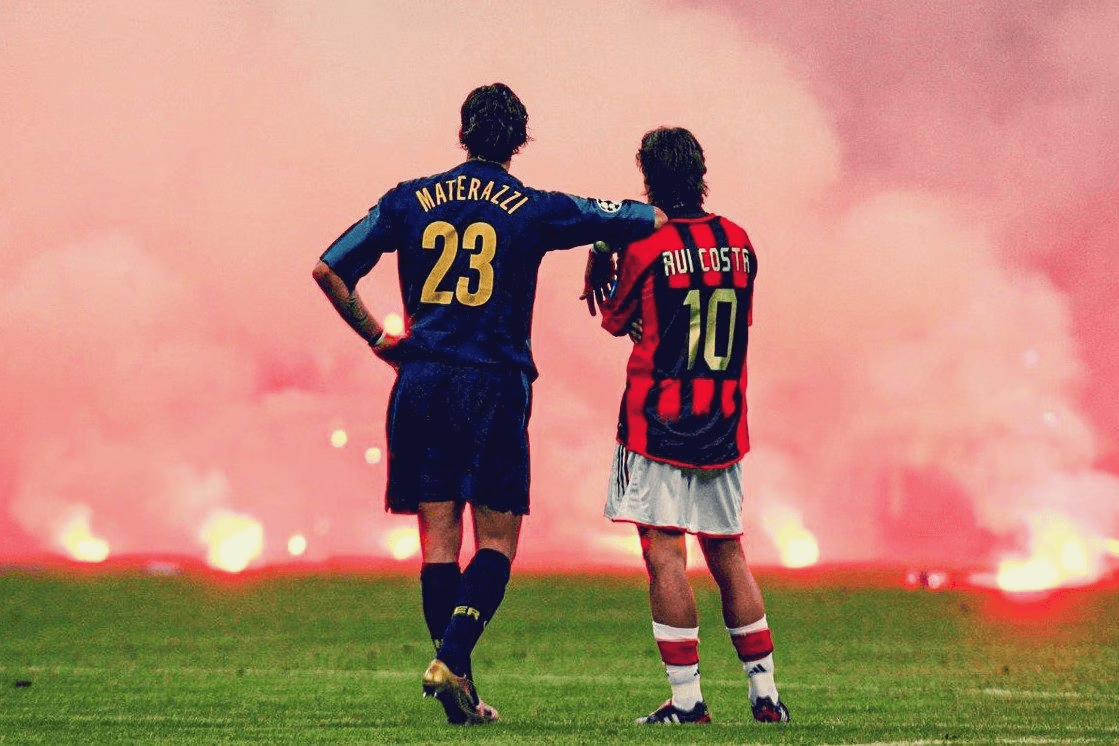
The Derby della Madonnina produces an aesthetic spectacle unlike anything in European sports. Home and away designations shift seamlessly within the same structure:
In each encounter:
-
Days when the Curva Sud sets San Siro ablaze in rossonero red and black
-
Days when the Curva Nord transforms Giuseppe Meazza into a nerazzurro ocean
That two completely conflicting epics can unfold within the exact same concrete shell is the supreme poetry of Milanese football.
🔮 The Looming Twilight: The Fate of San Siro and the New Arena Project
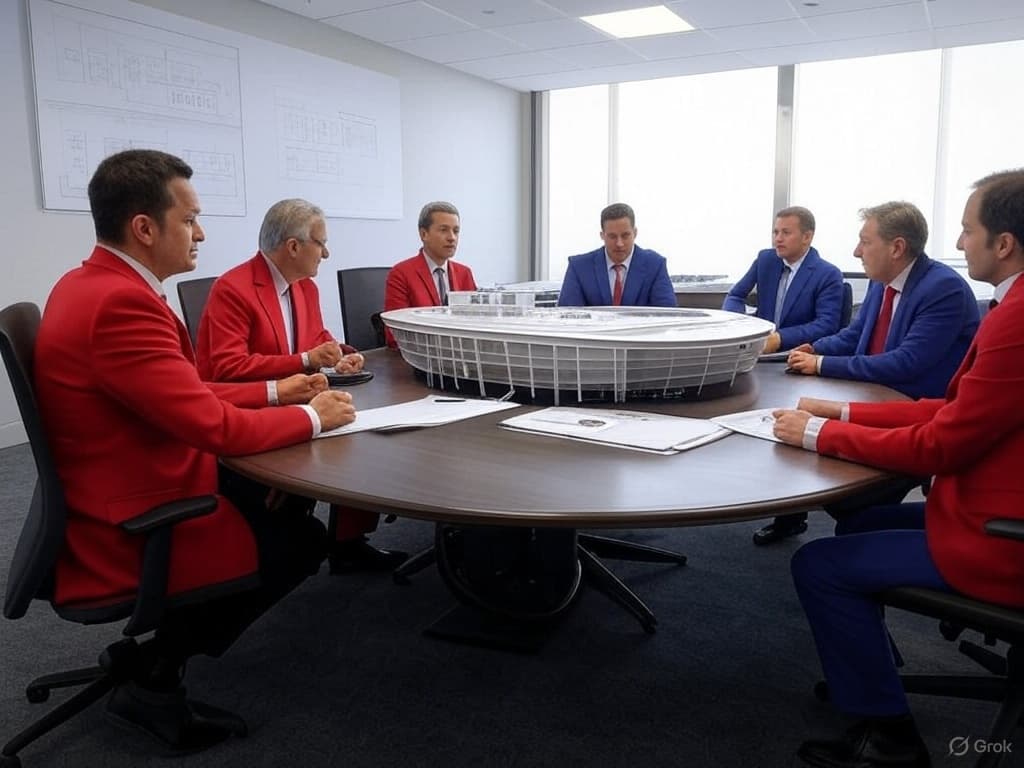
In September 2025, a momentous bell tolled across the Lombard capital.
Agreements and formal declarations surrounding the sale and redevelopment of San Siro reached a historic turning point, as both AC Milan and Inter solidified their vision for a ultra-modern venue.
While this monumental project promises cutting-edge hospitality and commercial resilience for the next half-century, it simultaneously prepares to draw the curtain on a stage that has housed the beating heart of the Milan Derby for nearly a century.
Since its foundation, San Siro has resonated with the sublime poetry of Roberto Baggio, the unyielding nobility of Paolo Maldini, the tactical masterclasses of Arrigo Sacchi, and the indomitable grit of Javier Zanetti. In the cold concrete of its winding helical towers, generations of tears, embraces, and hoarse roars remain forever embedded.
Yet time never halts for nostalgia.
Modern football finance dictates that club infrastructure and commercial hospitality directly govern competitive balance in Europe. A new stadium will unquestionably unlock economic frontiers.
And yet, the intangible magic of San Siro—the goosebumps as you climb those dizzying spiraling towers, the physical tremor of eighty thousand voices chanting under the floodlights, the crackle in the Milanese mist on a freezing Champions League Tuesday—cannot be replicated on an architect's blueprint.
Even if the physical structure changes hands or yields to new construction, the spirit born here will endure in the memories of the supporters, the café chatter of Navigli, and the chronicles of calcio.
When the future arrives, the Derby della Madonnina will find a new colosseum.
There, reverence for the past will walk hand-in-hand with future ambition.
For Milan and Inter, though bitter rivals on the pitch, remain eternal brothers and joint guardians of this sacred cathedral.
San Siro has always been far more than masonry and mortar.
It is a secular sanctuary where tactics surrender to human emotion and civic identity.
Whatever tomorrow brings, the heartbeat of Milan will continue to pulse through its memories.
⚔️ Bloodlines Across the Aisle: Other Shared Stadiums in Football
While uncommon, Milan is not entirely alone. Football history features a select few high-profile cohabitations:
✅ AS Roma & SS Lazio (Rome, Italy)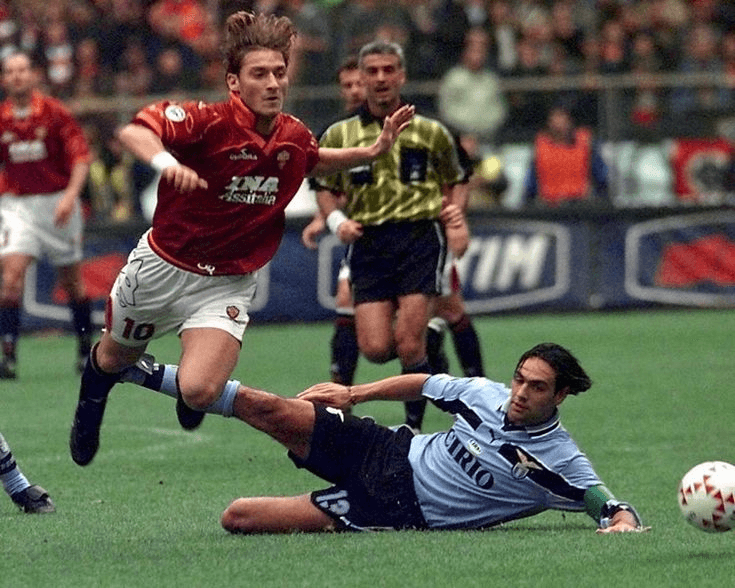
-
Venue: Stadio Olimpico
-
The impassioned Derby della Capitale ignites the very same pitch where both Roman clubs play week in, week out.
-
Owned by CONI (Italian National Olympic Committee), not the clubs themselves.
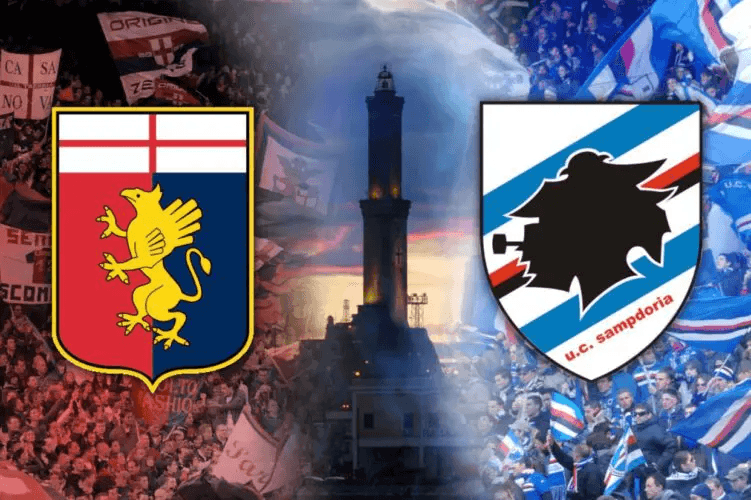
✅ Genoa CFC & UC Sampdoria (Genoa, Italy)
-
Venue: Stadio Luigi Ferraris (Marassi)
-
The proud maritime port of Genoa sees its two historical clubs share this traditional English-style amphitheatre.
-
The Derby della Lanterna is a masterpiece of civic pride, smoke, and choreography.
✅ Why Is Stadium Sharing So Rare?
-
In most European football nations, one club per ground is an immovable cultural and commercial dogma.
-
Sharing usually emerges only under unique circumstances: municipal public ownership, urban spatial constraints, and shared municipal development.
🎯 Epilogue: More Than Concrete and Steel
While Milan and Inter represent the pinnacle of this phenomenon,
they remind us that football can produce the most fierce rivalries under a shared sky and a common roof.
A stadium is never mere concrete and turf.
It is the mirror of a metropolis, the custodian of memories, and the sacred theatre where human drama achieves immortality.
Share this story