
The Flank Revolution: Full-Back vs. Wing-Back — From Defensive Sentinels to Tactical Architects
🧠 Introduction: Masters of the Flank and the Evolution of the Perimeter
Along the chalked frontiers of the football pitch, patrol the masters of the touchline.
They are the full-back and the wing-back.
Though sharing the same geographical corridor on the pitch,
their operational responsibilities have undergone profound revolutions across different eras and tactical dogmas.
In this fifth installment of our Positional Series,
we delve into the lineage, technical demands, and modern redefinition of these two vital roles, deconstructing how they shape the contemporary game.
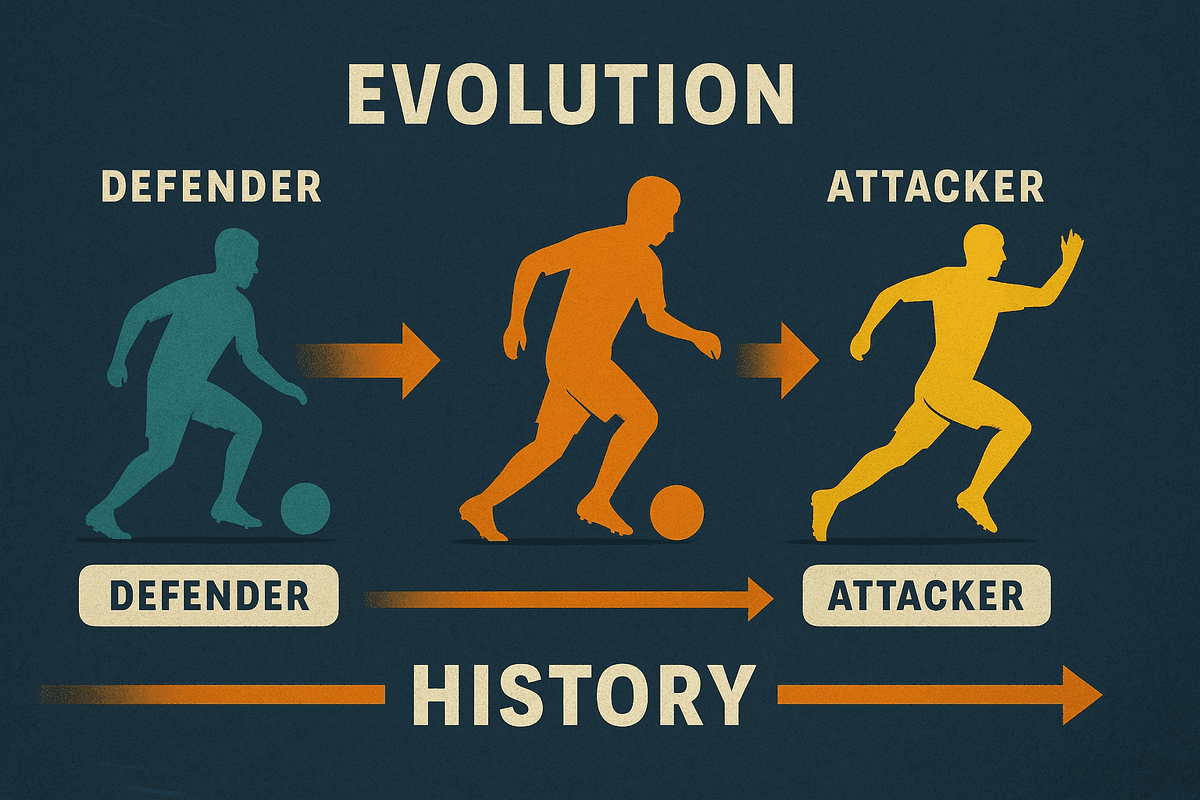
🏛️ Historical Trajectory: From Stopper to Orchestrator
-
The Genesis of the Full-Back
In the classical 4-4-2 era, the full-back was an uncompromised defensive sentry.
Their primary mandate was pure containment: neutralise the opposing winger, protect the flank, and cross the halfway line only under strict tactical necessity. -
The Emergence of the Wing-Back
As three-at-the-back systems experienced an intellectual revival through the 1990s,
teams required individuals capable of owning the entire length of the touchline in isolation.
This gave birth to the modern wing-back: equal parts relentless shuttle and offensive instigator. -
The Metamorphosis of the Modern Full-Back
As demonstrated by Pep Guardiola’s Manchester City,
the full-back has evolved into the "inverted full-back," stepping inside into central midfield to dictate possession.
No longer merely marking space, they function as primary playmakers and structural foundations. -
Positioning and Responsibilities
Anchored on the flanks of a back four. While safeguarding defensive solidity remains essential,
modern iterations must seamlessly tuck infield to facilitate build-up play and provide central numerical overloads. -
Core Requisite Attributes
✓ 1v1 defensive acumen and spatial covering
✓ Positional fluidity (switching between interior channels and the touchline)
✓ Passing precision and build-up phase execution -
Archetypal Figures
- Paolo Maldini (The consummate defensive aristocrat)
- Philipp Lahm (The cerebral polymorph)
- João Cancelo, Kyle Walker (The modern inverted technicians)
🚀 Wing-Back: The High-Octane Flank Dynamo

-
Positioning and Responsibilities
Stationed wide in three-at-the-back or five-at-the-back frameworks,
they single-handedly traverse the touchline,
bearing total responsibility for both offensive penetration and defensive coverage. -
Core Requisite Attributes
✓ Exceptional sprint speed, stamina, and aerobic capacity
✓ Crossing precision and timing of third-man runs
✓ Defensive recovery speed and proactive anticipation -
Archetypal Figures
- Ashley Young (Inter Milan)
- Leonardo Spinazzola (AS Roma)
- Reece James (Chelsea)
- Achraf Hakimi (Paris Saint-Germain)
📊 Comparative Analysis: Full-Back vs. Wing-Back
| Aspect | Full-Back | Wing-Back |
|---|---|---|
| Primary Role | Defensive stability + Infield support | Dual-phase dominance & complete flank control |
| Key Attributes | 1v1 tackling Passing range Positional intelligence |
Pace & acceleration Crossing delivery Stamina & box-to-box endurance |
| System Formations | 4-4-2 4-3-3 4-2-3-1 |
3-4-3 3-5-2 5-3-2 |
| Benchmark Players | Maldini Lahm Cancelo |
Spinazzola James Hakimi |
🔍 Tactical Case Studies: Managerial Philosophies
-
Guardiola (Manchester City)
→ Inverted Cancelo and Walker into the half-spaces, turning full-backs into central build-up catalysts. -
Antonio Conte (Inter, Chelsea)
→ Deployed Hakimi and Moses as explosive wing-backs, overwhelming opponents down the flanks in a rigid 3-5-2 / 3-4-3 matrix. -
Massimiliano Allegri (Juventus)
→ Utilised asymmetric hybrid systems: shifting dynamically into a back five in defensive phases and expanding to a back three in possession.
🎯 Conclusion: The Flank as Football's Decisive Frontier
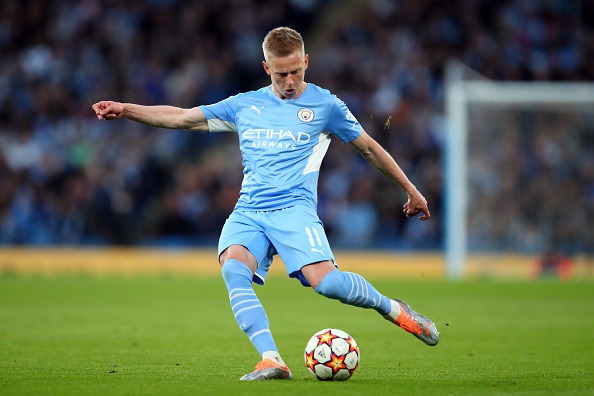
Once regarded as tactical foot soldiers tasked merely with auxiliary defending,
modern full-backs and wing-backs have transcended their origins.
Today, they stand as keystones of build-up, attacking incision, and defensive balance—
often dictating the ultimate outcome of the biggest matches.
And their evolution is far from finished.
Underlapping runs, inverted pivots, and asymmetrical structures ensure
that the perimeter remains the foremost laboratory of football innovation.
Along these chalk borders, the game's greatest tactical dramas will continue to unfold.
-----Share this story