From Stopper to Playmaker: The Metamorphosis of the Modern Full-Back
Historically, no position on the football pitch has been more chronically misunderstood than the full-back.
In eras past, they were mere defensive foot-soldiers, operating in the long shadows cast by glamorous playmakers and wingers, perpetually undervalued. Yet today, the full-back has emerged as the principal architect of the match—dictating tempo, manipulating structures, and blowing open the opposition’s shape from unexpected angles.
From stoppers to creators: here is the chronicle of the most radically transformed position in the tactical history of football.
What Was a Full-Back? The Archetypal Foundation
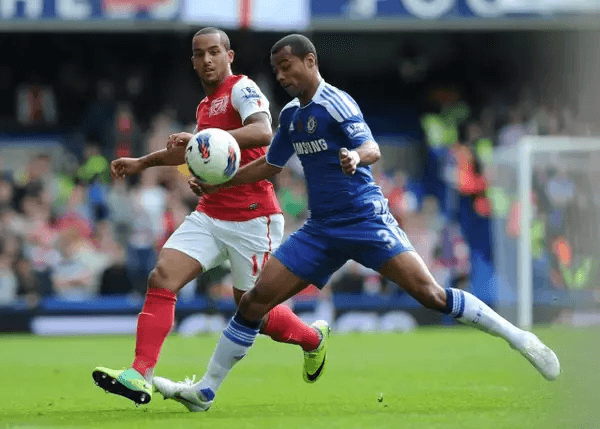
Originally, the full-back was essentially a supporting actor cast purely for defensive security.
Stationed on the perimeter of a back four, running up and down the chalk line, engaged in an endless sequence of physical duels against the opposing winger. The mandate was starkly utilitarian: tackle, clear, distribute cleanly, and occasionally overlap to whip in a hopeful cross.
In classical tactical orthodoxy, the creative heartbeat was anchored strictly in the central corridor: the number 10, the center-forward, the inside forward. The full-back was a structural complement, never the protagonist who governed the destiny of a contest.
That world, however, belongs irrevocably to history.
Winds of Change: The Post-2000 Evolution
At the turn of the millennium, full-backs began transforming into dynamic attacking powerhouses. Roberto Carlos, Cafu, Ashley Cole, Willy Sagnol—their lung-busting sprints and pinpoint delivery rivalled the most dangerous orthodox wingers in Europe.
Yet the true conceptual revolution arrived in the 2010s through the advent of modern "juego de posición."
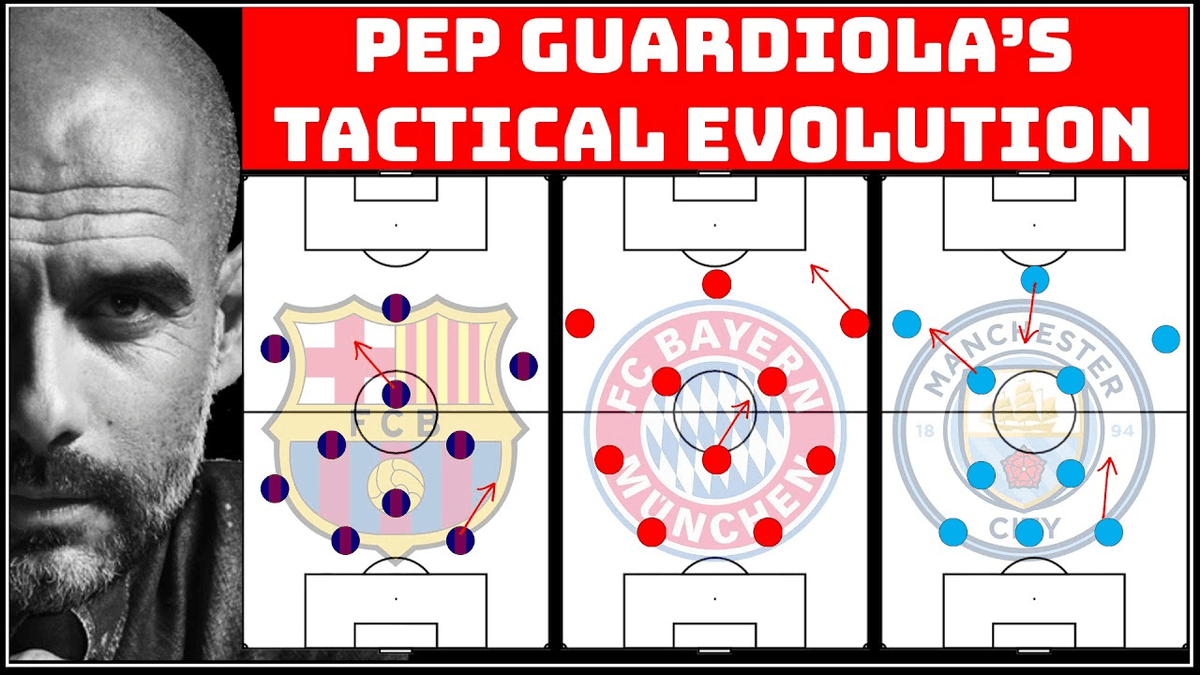
Under Pep Guardiola at Barcelona, Dani Alves stepped inside, operating as an inverted full-back to engineer numerical superiority in the central midfield. Handing the wide flank over to Lionel Messi while orchestrating play in the half-spaces, Alves turned decades of conventional flank play completely inside out.
Thus dawned the era of the "tactical playmaker full-back."
The Revolution: The Shockwaves of Trent and Cancelo
Two generational talents elevated this tactical shift into an outright revolution.
Trent Alexander-Arnold. He was an elite quarterback disguised as a defender. Operating from right-back, he unlocked fortified defenses with the vision and range of Andrea Pirlo, dictating the entire offensive tempo of Jürgen Klopp’s Liverpool.
João Cancelo. He was a structural demolition artist. At Manchester City and Bayern Munich, he stepped into the interior pivot, circulating possession as an attacking midfielder and penetrating the penalty box to finish moves himself.
What unites them is that they shattered the geographic prison of the flank, governing the rhythm of the entire pitch.
The full-back was no longer merely a defender; he had become the team's primary tactical engine.
Japan and the World: The Modern Full-Back Landscape

This global evolution has naturally reshaped the Japanese national team as well.
Moving beyond the classic up-and-down endurance typified by Yuto Nagatomo and Hiroki Sakai, the Samurai Blue now demand high-level buildup involvement from Hiroki Ito, while Takehiro Tomiyasu inverts smoothly into midfield corridors from right-back.
Overlaps remain valuable, but they are no longer sufficient.
Tucking into central defensive pockets to thread progressive vertical passes into players like Junya Ito is now the core curriculum of the contemporary full-back.
In South America, Marcelo and Danilo epitomized the free-roaming full-back; in Europe, Reece James and Achraf Hakimi marry suffocating defensive intensity with technical ingenuity.
The role has decisively shifted from "stopping attacks" to "deconstructing and orchestrating the game."
Why the Full-Back Changed the Face of Football
There are clear structural reasons why this position became the focal point of football’s strategic evolution.
-
The rise of possession-heavy structures meant center-backs alone could not navigate high pressing blocks
-
Wingers inverted permanently inside into half-spaces, vacating wide channels for full-backs to exploit
-
To prevent central counter-attacks, full-backs had to function as auxiliary midfielders during possession
In short: the fluidity and positional flexibility of the full-back became the linchpin of entire tactical systems.
Today, the full-back creates width, angles, and tempo. They have transformed into players who can command the strategic architecture of the match.
When the guardians of the flank became architects of play, the entire vista of football was remade.
The touchline is no longer a cage. It is the springboard where imagination begins.
What new horizons will this position conquer next? One can only watch with immense anticipation.
The Manga 'Aoashi': The Masterpiece That Decodes the Modern Full-Back
リンク
-----Share this story