The Crucible of Magic: What the FA Cup Means to the Soul of Football
League positions count for nothing. Astronomical payrolls, cathedral-sized stadiums, and the gilded crown of the Premier League all dissolve into thin air. In ninety minutes of raw theatre, the hierarchy of the world can be completely upended. That is the essence of the FA Cup.
As the oldest continuous tournament in football, it provided the universal blueprint for cup competitions worldwide. Yet its true allure lies not merely in dusty archive shelves, but in an institutional architecture engineered for miracles.
What Is the FA Cup? History and Foundations
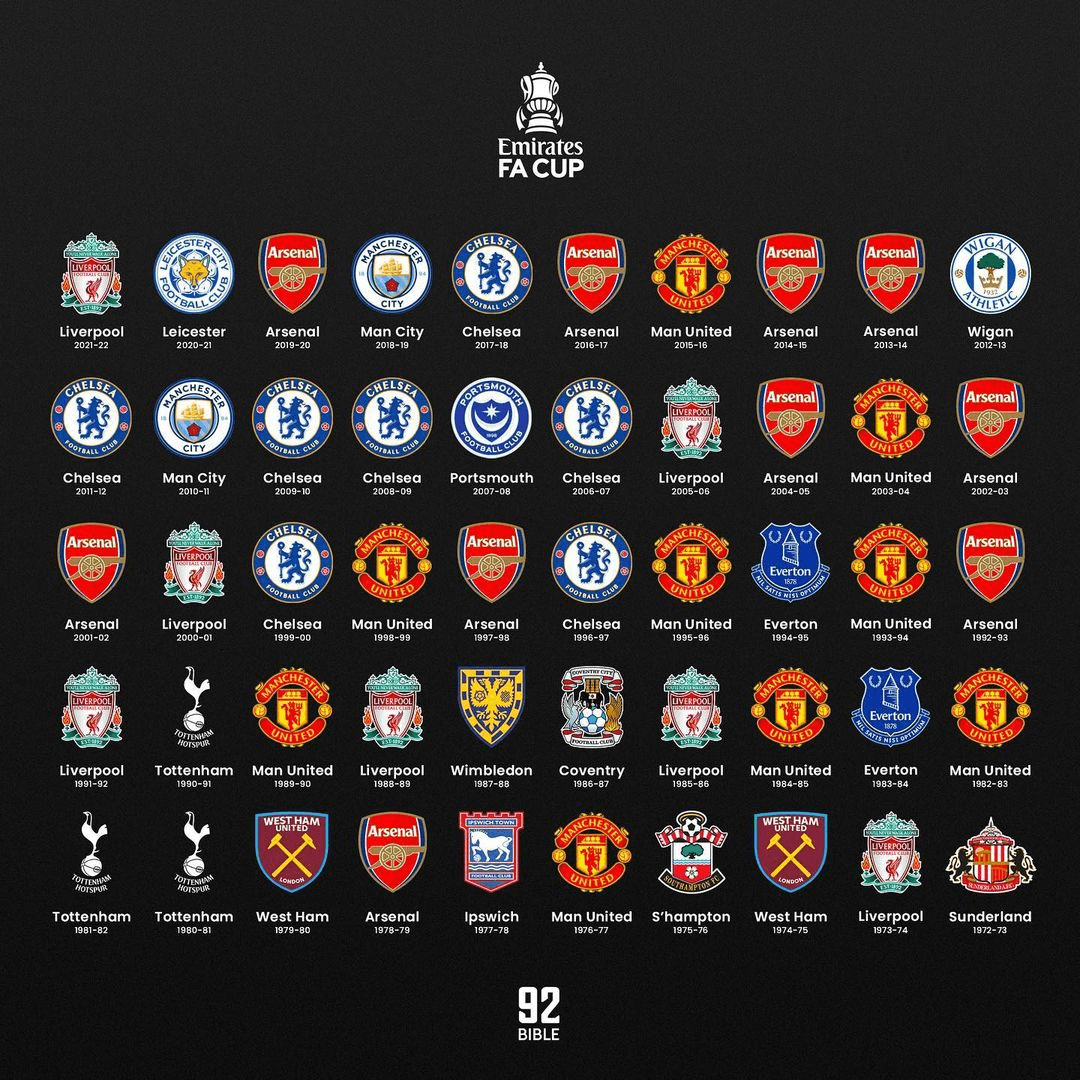
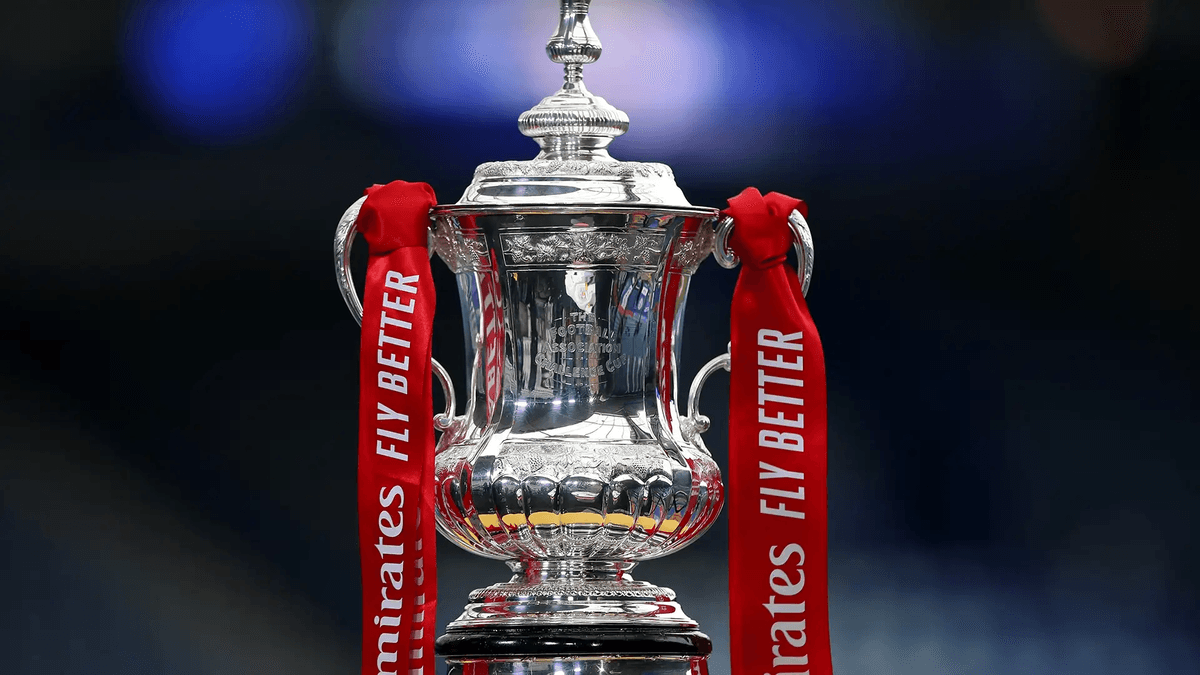
Officially christened “The Football Association Challenge Cup,”
it was founded in 1871 and stands as the oldest football tournament on the planet.
Organized under the auspices of The Football Association (FA).
Its defining brilliance is radical inclusivity: from elite Premier League dynasties to humble village outfits, hundreds of clubs participate across the pyramid. On any given weekend, a club hailing from England's tenth tier can share the same bracket as royalty.
The format is unsparing knockout football—a sudden-death test of courage. While historic tradition sometimes mandated replays for draws, the core commandment remains immutable: everything is decided on that sacred day, in those ninety minutes.
When this tournament kicked off in 1871, Japan was in the fourth year of the Meiji era—the very moment the country opened its first railway line between Shimbashi and Yokohama, abolished the feudal clans, and watched samurai lay down their katanas. In other words: when football was codified in England, samurai were still walking the streets of Japan.
To realize that an uninterrupted sporting line connects that world to our present day fills the FA Cup with an almost mystical romanticism.
Why Is It Called the "Magic of the Cup"?
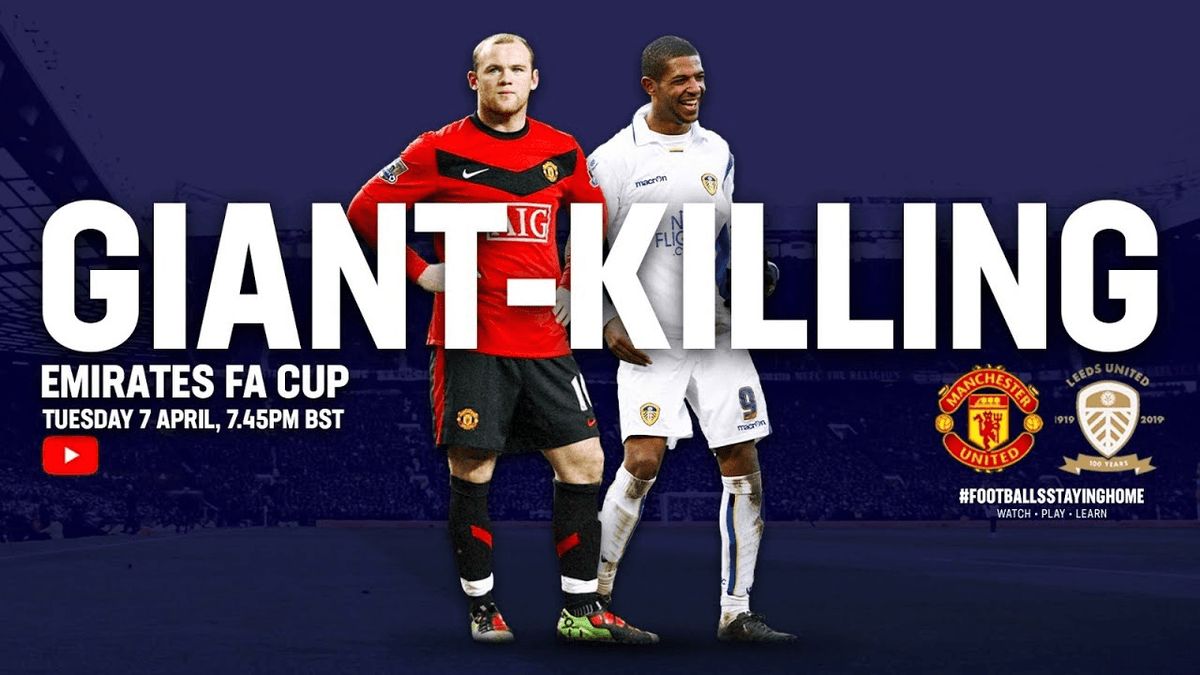
Every winter, without fail, the FA Cup scripts tales of righteous rebellion.
Premier League aristocrats are humbled by semi-professionals from fifth or sixth-tier outposts. Grounds holding merely three thousand souls are beamed across global television networks. There is no arena in modern sports where the term “giant-killing” carries such authentic, spine-tingling resonance.
Win one match, and you march into the next round. Any modest club in the shires harbors the genuine, tangible possibility of welcoming Manchester United to their sloping pitch. That democratic dream is the true alchemy of the FA Cup.
For the non-league plumber or electrician playing on Saturday, it is the opportunity of a lifetime. For the supporters, a moment frozen in gold. For the club, an afternoon that alters the trajectory of their history.
Iconic Chapters: Triumphs and Heartbreak
Beyond its open architecture, the FA Cup has etched unforgettable epics into the soul of football.
-
2013: Wigan Athletic stunned petrodollar-fueled Manchester City 1-0 in the final to lift their first major silverware—only to suffer Premier League relegation just days later in an unforgettable bittersweet tragedy.
-
2015: Fourth-tier Bradford City went to Stamford Bridge and mounted a heroic comeback to dismantle Jose Mourinho’s rampaging Chelsea 4-2.
-
2008: Portsmouth hoisted the trophy under the Wembley arch, followed shortly by financial ruin that plunged them down to League Two.
Glory and ruin. Unbounded ecstasy and weeping desolation. The FA Cup is a living epic of human emotion.
The True Worth of the Cup: A Reassessment in Modern Times
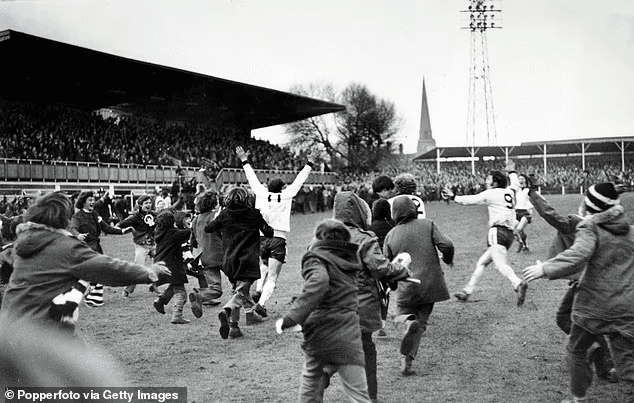
In a football landscape consumed by corporate greed and schedule congestion, cynics occasionally dismiss the FA Cup as an anachronism. Yet its moral value remains unassailable.
-
For grassroots clubs: essential gate receipts, TV windfalls, and career-launching showcases.
-
For elite institutions: a baptism of fire for academy prospects, testing true grit against unforgiving opposition.
-
For the supporter: a sanctuary of raw, unfiltered passion that cannot be quantified on an analytics spreadsheet.
Above all, the FA Cup whispers a fundamental truth to the world:
“No matter where you start, everyone has the right to dream.”
“Money can’t buy magic.” There are things capital cannot manufacture.
The FA Cup remains the keeper of that sacred flame. Immortality can be won in ninety minutes. The underdog can conquer the realm. Grown men weep without shame. If football still possesses a beating romantic heart, it beats most powerfully within the crucible of the FA Cup.
This is the authentic essence of the game that league tables can never capture.
That is the FA Cup.
-----
Share this story