The Truth Beyond the Ninety Minutes: Why Kylian Mbappé Refuses His International Bonuses
Standing on the pitch, he can at times appear insolent, even self-absorbed.
Leaving defenders in his vapor trail with breathtaking acceleration, finding the back of the net, and crossing his arms to gaze up into the stands with haughty defiance—his trademark celebration is instantly recognizable. Media outlets seize eagerly upon these gestures, heralding him as the heir to the throne while simultaneously branding him with convenient labels: arrogant, selfish, mercenary. Many supporters, too, judge the character of a footballer entirely through the narrow lens of a television broadcast and sensational tabloid headlines.
It is understandable, perhaps. In the theater of contemporary football, sublime talent and an outsized ego are often painted as two sides of the same coin. With gifts as otherworldly as Kylian Mbappé’s, that presumption is almost automatic.
Yet few pause to wonder where he goes once the stadium floodlights dim and the photographers' flashes die down. Beyond the perimeter of the ninety minutes lies another truth—a quiet, dignified reality that bears little resemblance to his on-pitch persona.
The Weight of the Bleus Shirt
Rewind to the summer of 2018.
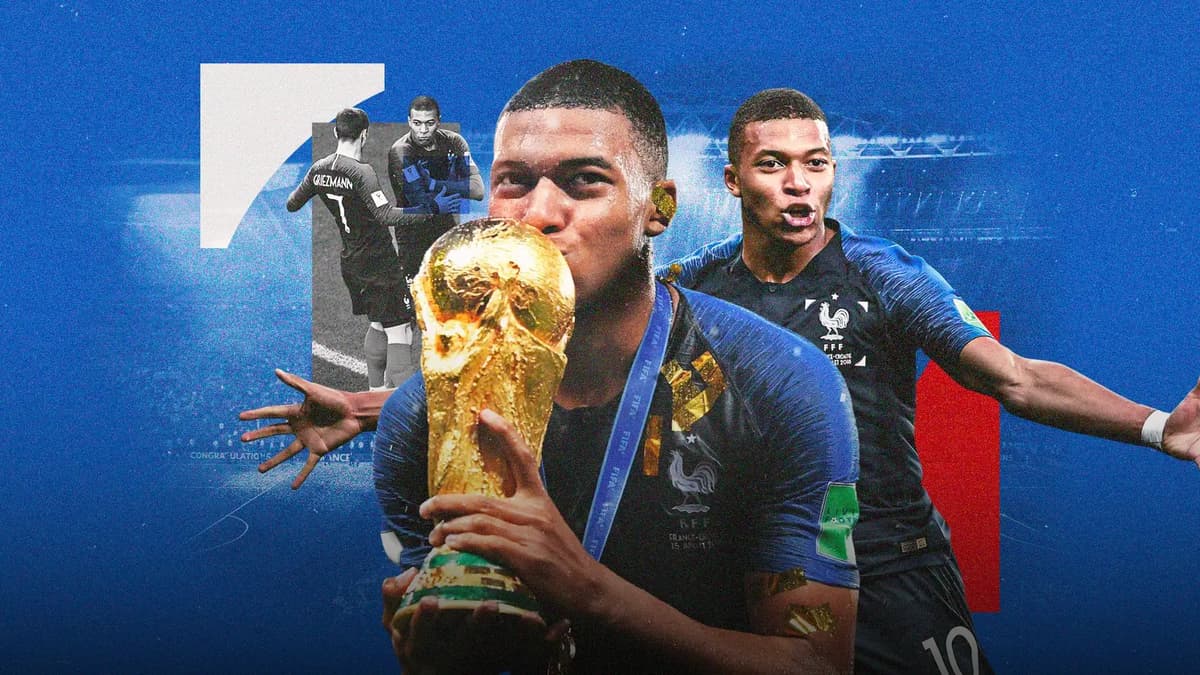
On Russian soil, a 19-year-old Mbappé electrified the globe. That devastating, sixty-meter sprint carving through Argentina’s backline heralded the dawn of a new footballing epoch. Under torrential Moscow rain, lifting the golden World Cup trophy toward the heavens, he reached the absolute summit of world sport.
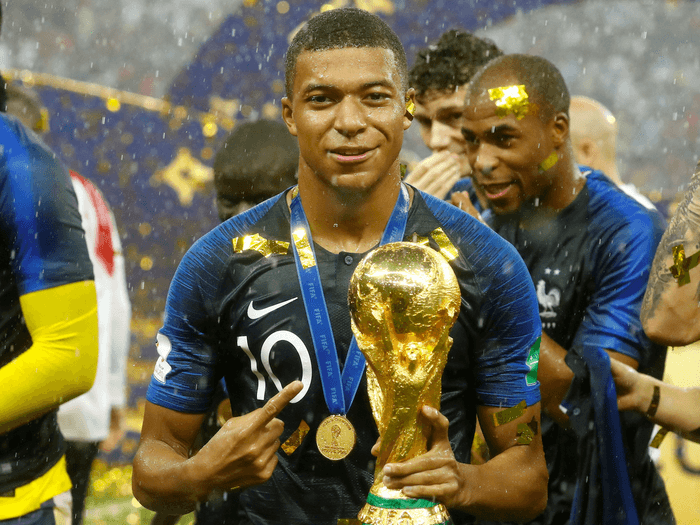
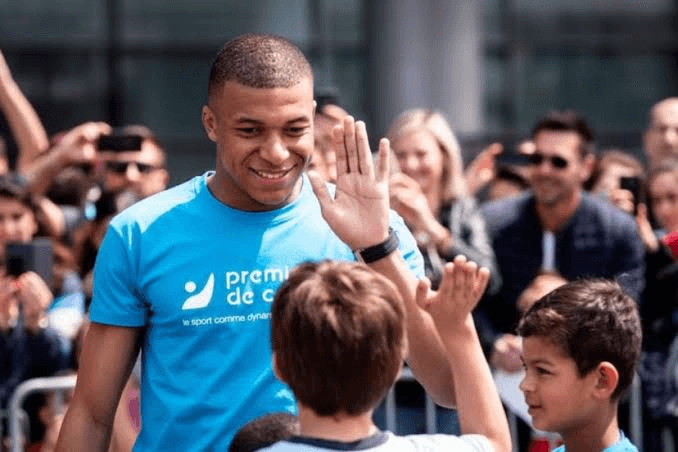
Behind the glittering scenes of that historic triumph, a quiet decision had already been made. His World Cup bonus—roughly half a million dollars—was an astronomical windfall for a teenager. Yet it merely flickered through his bank account before being transferred in full to a single organization: Premiers de Cordée, a charity that brings sport and physical activity to hospitalized and disabled children.
This was neither a fleeting gesture of youthful bravado nor a one-time publicity maneuver. In the years since 2018, Mbappé has steadfastly donated every single match bonus earned while representing the French national team.
Why does he refuse to keep the money? His reasoning is disarmingly simple, and deeply principled.
I earn enough money with my club. Playing for the national team is an honor and a privilege; wearing the shirt is pride enough.
For Mbappé, donning the royal blue jersey with the Gallic rooster over his heart is not wage-earning labor. It is a sacred duty of representing his nation, a space so pure that commerce has no right to enter. In an era where modern football is inundated with unimaginable wealth, how many players still hold such an unblemished, romantic reverence for international duty?
The Lessons of Bondy
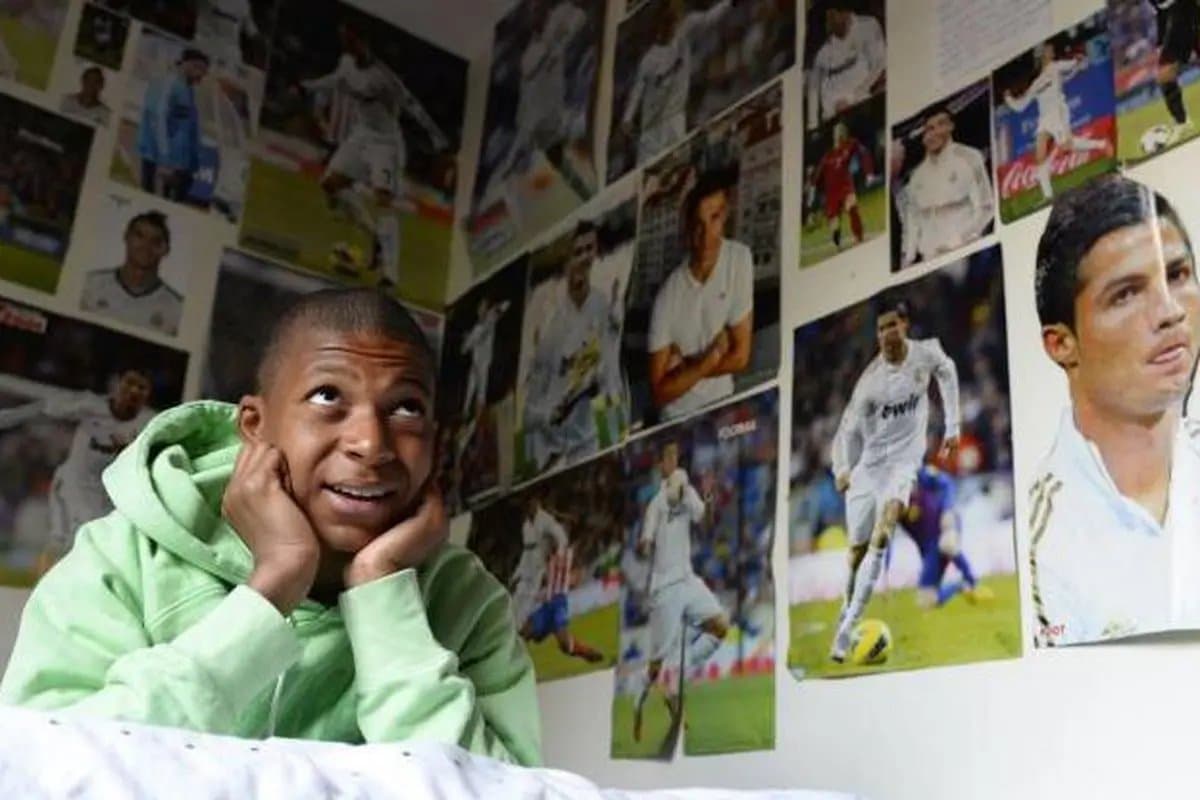
At the root of this conviction lies a memory of home that has never faded.
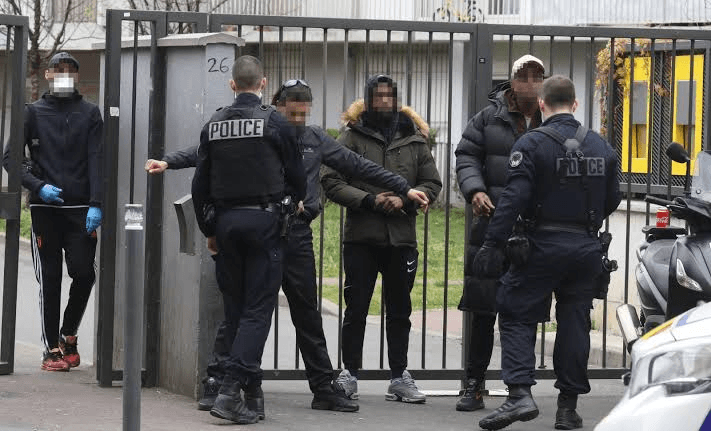
Bondy, in the département of Seine-Saint-Denis northeast of Paris, is a working-class suburb far removed from luxury. There, among grey concrete public housing estates, Mbappé grew up kicking a ball—the only true beacon illuminating a pathway to the future. Raised in an immigrant tapestry amidst the stark realities of socioeconomic struggle, he has never allowed himself to forget those who possess nothing.
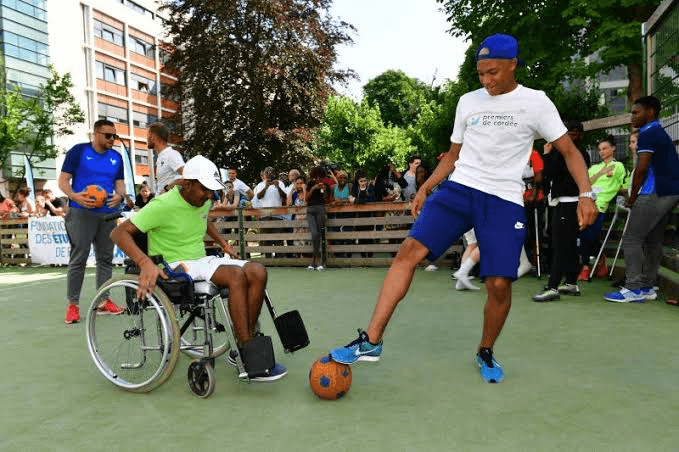
What sets Mbappé apart is that his generosity does not end with wire transfers.
Despite being one of the most relentlessly scrutinized athletes on earth, he regularly carves out personal time away from the cameras to visit pediatric wards in person. He walks through hospital doors, sits beside beds, looks into the eyes of sick children, and listens. For a bedridden child, the knowledge that Mbappé—a figure idolized worldwide—has come solely to sit with them delivers a form of strength that medicine cannot manufacture.
On the pitch, he is the fastest man alive; inside those ward walls, he slows his stride to match the pace of the young and fragile. He understands that offering his presence and time matters infinitely more than writing another multimillion-euro check. Just as he once dared to dream on the asphalt pitches of Bondy, he now gives these children a reason to hold onto their own dreams.
Respect Beyond the Final Whistle
Every weekend, supporters live and die by the drama contained within ninety minutes. We roar at magnificent goals, bristle at questionable refereeing, and dissect every sideways glance or petulant gesture on screen. That emotional investment is what makes football the greatest spectacle on the planet.
Yet we must occasionally remind ourselves: what we see beneath the stadium lights is merely a sliver of a human life.
The mask worn inside the white lines does not define the entirety of a soul. A striker branded as selfish may well be the first to quietly uplift those around him. A swaggering prodigy labeled arrogant may spend his private afternoons holding the small hands of children fighting for their lives.

The next time Kylian Mbappé pulls on the blue of France and flashes that defiant, knowing smile toward the crowd, consider what lies behind the façade. He carries more than just personal ambition and national expectation. He also carries the whispered hopes of children in hospital beds, waiting with quiet joy for his next visit.
Judging an athlete's talent and granting them respect as a human being are not mutually exclusive. When we acknowledge the quiet battles fought beyond the ninety minutes, our gaze upon football becomes deeper, gentler, and far more humane.
Share this story