The motherland of football is England.
It codified the laws of the modern game, dispatching it to the four corners of the earth from Victorian schoolyards and manicured lawns.
Why, then, does the planet universally bow before Brazil as the undisputed "Kingdom of Football"?
The answer is simple: because in Brazil, football ceased to be a mere pastime and blossomed into culture.
Far more than a ledger of World Cup trophies, it was the heartbeat of daily life and the accumulation of myth that constructed this kingdom. Here is the historical journey of that alchemy.
1. When Football Was an Import: A Gentleman's Pastime Crosses the Atlantic
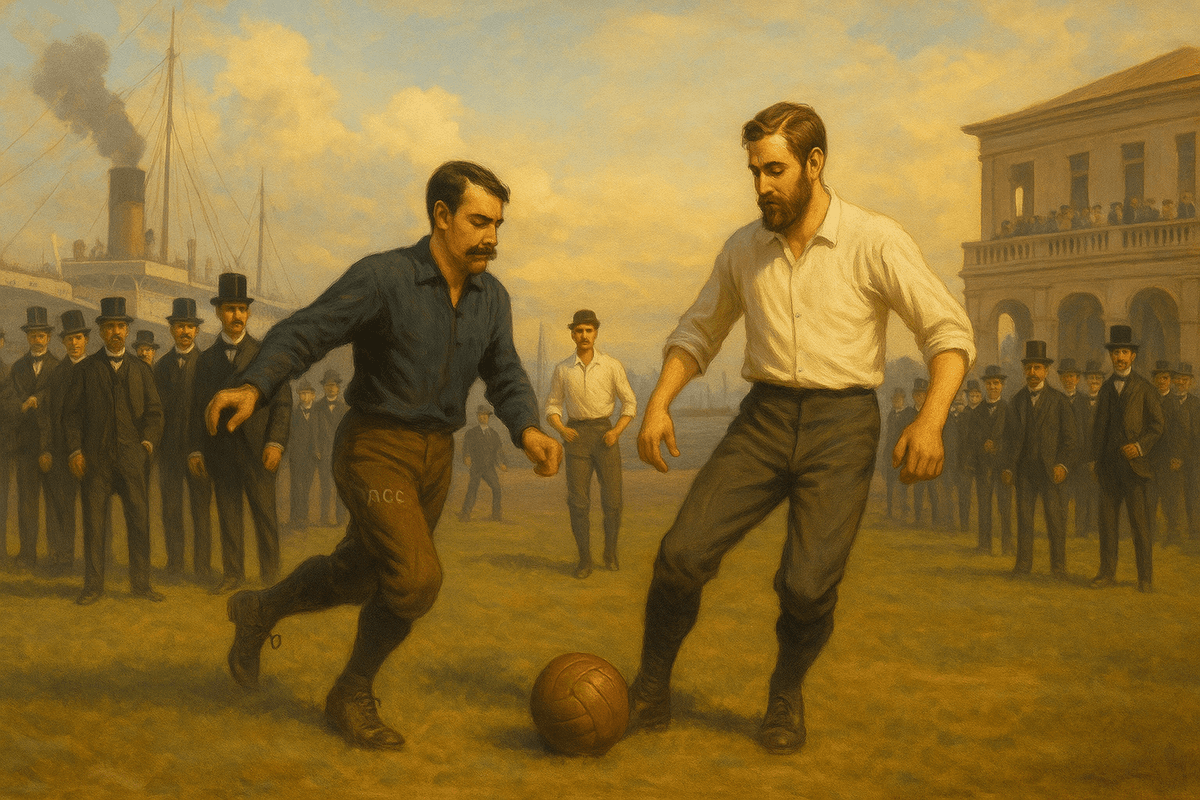
At the close of the nineteenth century, amidst the coffee boom and the expansion of the railways, British engineers and merchants settled in Brazil. Football rippled outward from coastal docks and exclusive aristocratic social clubs.
In those early years, leather footballs were costly rarities; the game was the leisure pursuit of the landed elite, bound by British decorum and rigid Victorian sportsmanship.
Playing "correctly" took precedence over winning at all costs. Crisp collars, immaculate kits, and courteous restraint were deemed the highest virtues.
2. Democratization: How Backstreets and Beaches Became Cathedrals
In the early decades of the twentieth century, the ball was claimed by dockworkers, factory laborers, newspaper boys, and shoe-shiners.
As football spilled into the hands of urban working-class masses, the sporting geography of the nation was radically remapped.
You did not need lush acres of green turf to play in an alley.
You did not need leather boots to kick barefoot.
Piles of schoolbags or folded coats became goalposts; the sun-baked sands of Copacabana and Ipanema became natural arenas.
It was here that football underwent its profound mutation: playing, watching, and debating the game dissolved seamlessly into the fabric of daily living culture.
3. The Genesis of the Brazilian Way: The Body Language of Ginga
From imitation to pure creation.
Improvisation honed on cracked street corners crystallized into rapid, feinting touches that unseated defenders' balance—a swaying, serpentine bodily rhythm packed with joyful deception.
They named this ancestral swagger Ginga.
It is a language of the flesh that tactical nomenclature and blackboard diagrams can never hope to capture.
An aesthetic philosophy that favors the flourish of beauty over ruthless, straight-line efficiency.
The ball is not merely transported from point A to point B; it travels draped in narrative.
4. National Agony and Pride: From the Maracanaço to Celestial Glory
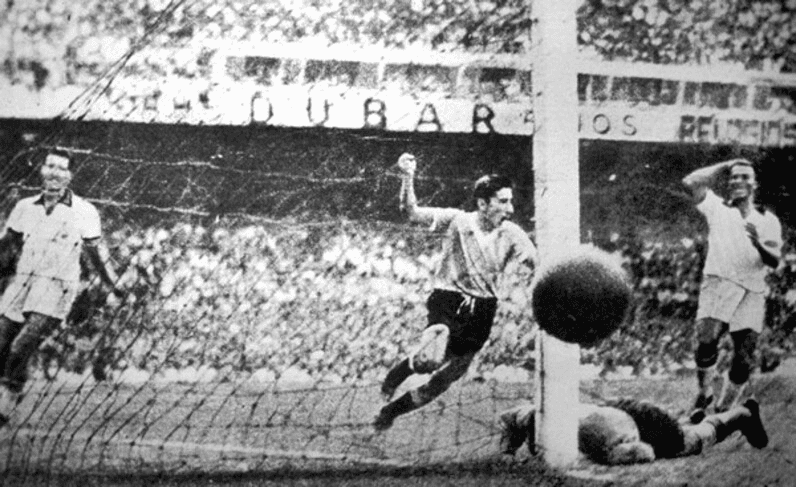
4-1. 1950: How Grief Birthed the Myth
Hosting the World Cup on home soil, the Maracanã—the grandest temple on earth—fell into a tomb-like hush.
Heavily favored to lift the Jules Rimet trophy, Brazil fell 2–1 to Uruguay: the Maracanaço.
This loss was not registered as a simple athletic reverse; it was branded into the national psyche as an unhealed collective trauma, passed down to subsequent generations.
The great Brazilian narrative began in pain.
4-2. 1958: The Day the World Bowed to the Kingdom
Sweden, 1958.
A seventeen-year-old boy named Pelé, alongside the crippled, bent-legged wizard of the right wing, Garrincha.
Together, they unveiled not only victory, but the liturgy of joy to an astonished world.
Technique ascended into art; goalscoring exploded into festival.
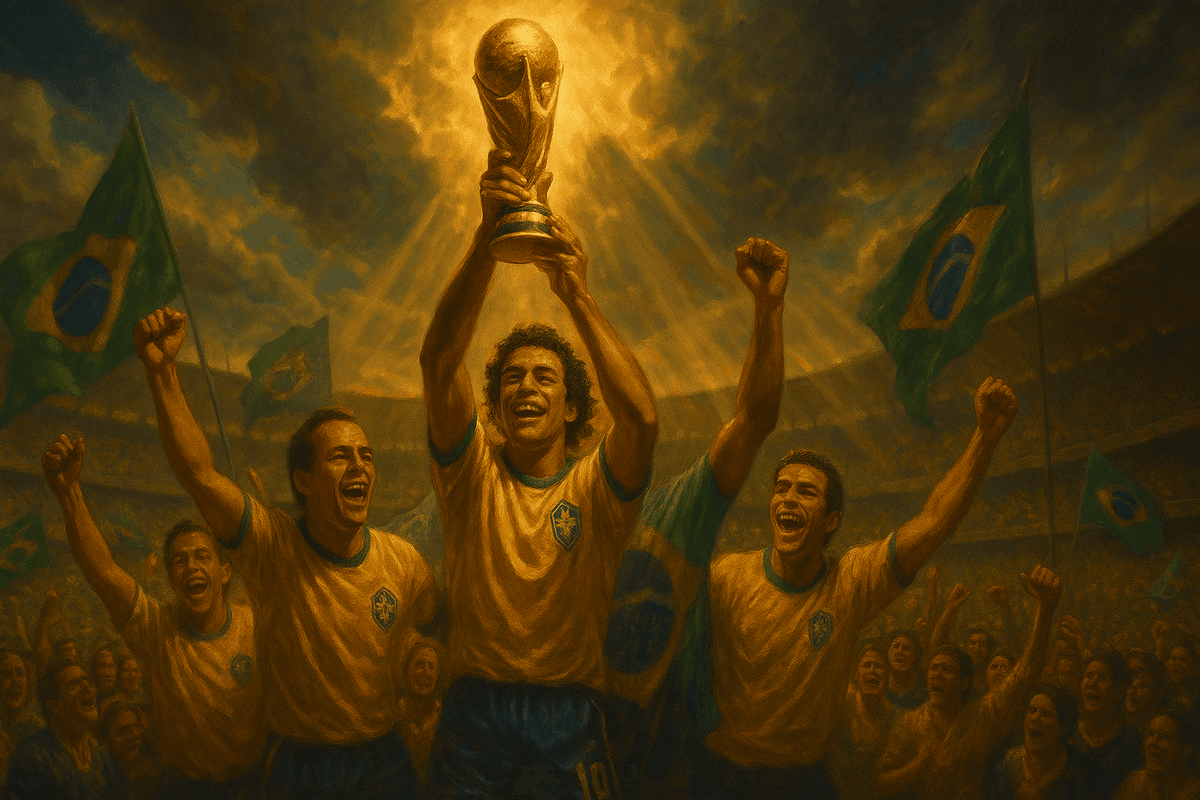
1958 was the year Brazil ceased being merely a formidable football team and was anointed as the world's most beautiful kingdom.
4-3. The Lineage of Stars: '62, '70, '94, 2002
- 1962: The reign preserved. Retaining the crown proved that genius was no fluke.
- 1970: Beneath the searing Mexican sun, Pelé, Tostão, Gérson, and Carlos Alberto sculpted the greatest masterpiece the game has ever seen. The peak of aesthetic football.
- 1994: Tactical equilibrium and structural steel brought modernization. Evolving to conquer.
- 2002: The Three Rs—Ronaldo, Rivaldo, Ronaldinho. The synthesis of incandescent flair and lethal end product.
Suffering and resurrection, lyrical beauty and clinical triumph. The Kingdom never denied defeat; it learned to harvest immortality from it.
5. The Apparatus of Idols: The National Myth of the Icon
www.youtube.comBrazil regards its idols not as distant deities, but as custodians of a living national fable.
Pelé stood as the symbol of national integration; Zico became the avatar of intellectual discipline and devotion; Romário and Ronaldo renewed the folklore of predatory brilliance; Ronaldinho resurrected the sacred dance of joy; Neymar emerged as the emblem of twenty-first-century individual rebellion.
A hero here is never a flash in the pan. The sacred ritual of succession, retold with every new generation, lends the Kingdom its historical density.
6. The Preconditions of Culture: Pitches Before Classrooms
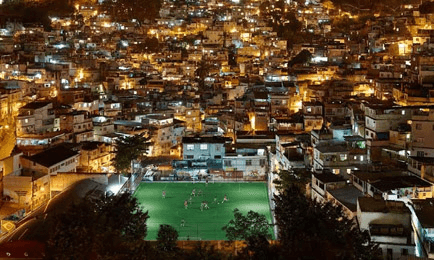
6-1. Nurtured by Emptiness, Not Infrastructure
Children are not made creative by state-of-the-art facilities, but by the irregular margins of open space. The beach, the vacant lot, the cracked alley, the steps of a parish church. A match can ignite anywhere, and the rules are reinvented on the fly to fit the terrain. An imperfect world where a tin can can replace a leather sphere—that very elasticity is the true fertile soil of creativity.
6-2. The Two Classrooms: Alleyways and Futsal
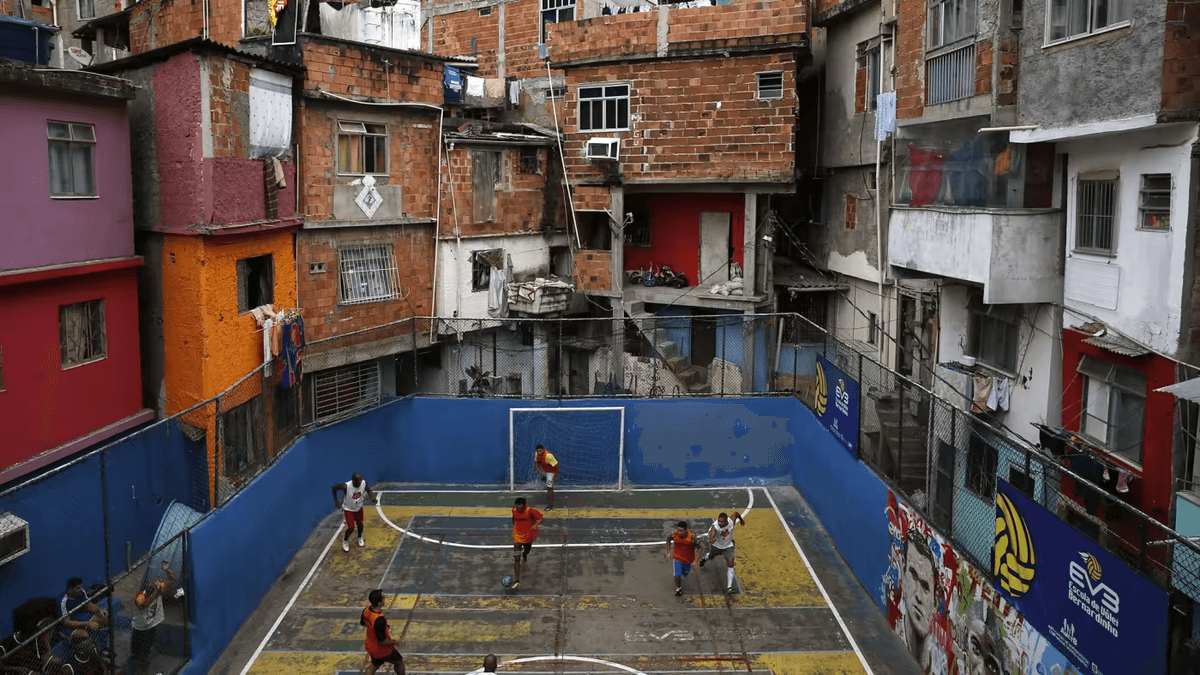
Futsal’s tight parameters compress touch counts and sharpen decision-making speed. Street football fosters the cunning desire to mesmerize a defender and entertain onlookers. These twin classrooms forge the Brazilian first touch, the instinctive pause, the serpentine drop of the shoulder.
6-3. Samba, Carnival, and the Post-Match Rite
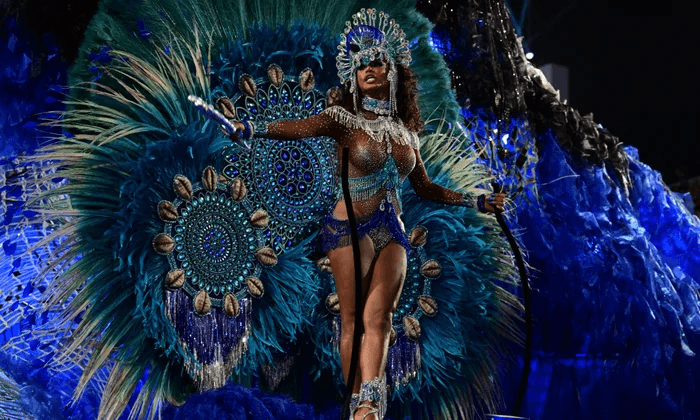
A victory is never settled by numbers alone on a scoreboard.
Drums resound through neighborhood squares; plazas dissolve into dancefloors.
The liturgy of celebration imprints the true meaning of triumph into the soul, handing it down to the next generation.
Here, sport transcends into authentic culture.
7. The Counterpoint of Tactics and Freedom: Contrasting with England
England codified the laws and erected the skeleton of modern sport.
Club governance, school competitions, professional leagues, fair play.
That skeleton provided universal structure, laying the foundation for football’s global conquest.
Brazil, on the other hand, pumped living blood through that skeletal frame: aesthetic wonder, playfulness, improvisation, and communal carnival.
Only when the skeleton and the bloodstream move in tandem does football become the shared heritage of humankind.
Thus, while the motherland is England, the Kingdom is forever Brazil.
8. The Kingdom's Modern Crossroads: Updating the Victor's Code
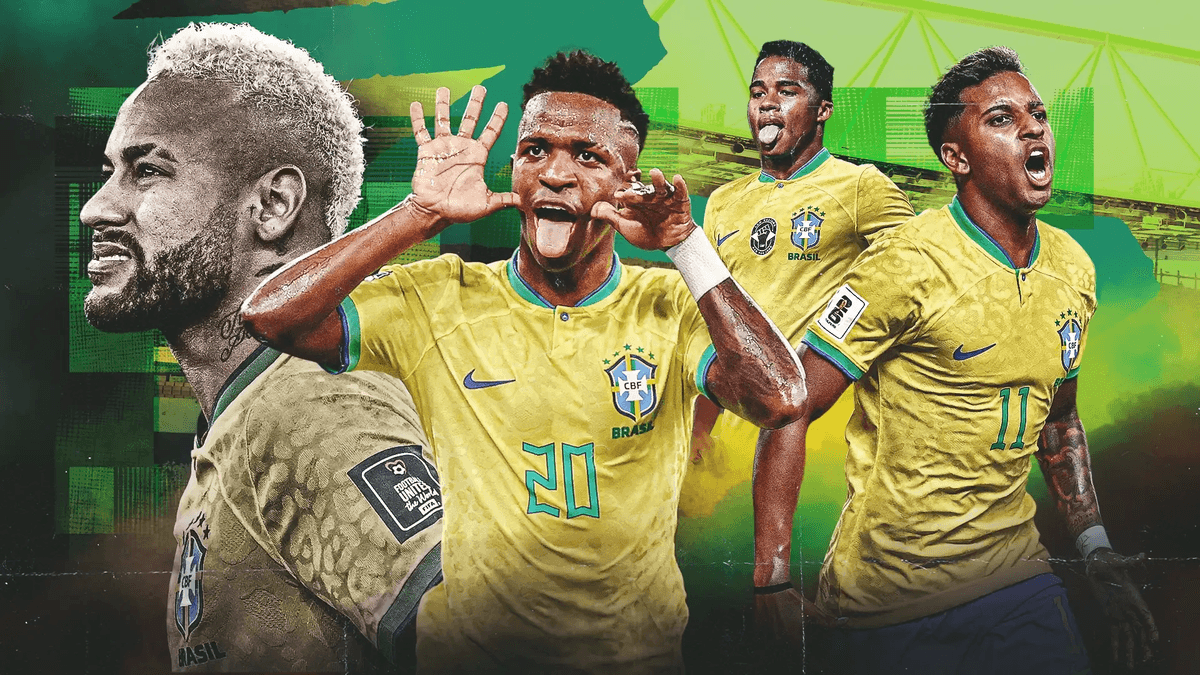
In an age dominated by data analytics and rapid transition phases,
even the Kingdom cannot remain completely insulated.
Positional responsibilities, high pressing, and aerobic intensity have been integrated, yet Brazil's traditional joy and uninhibited freedom have wavered in recent tournaments.
Yet history moves in cycles.
Whenever an era becomes stiflingly rigid and tactically homogenised, an anarchic individual arises to smash the mold to pieces.
Will that savior emerge once more from Brazil—or will it be Italy?
Epilogue: Stories Forge the Kingdom
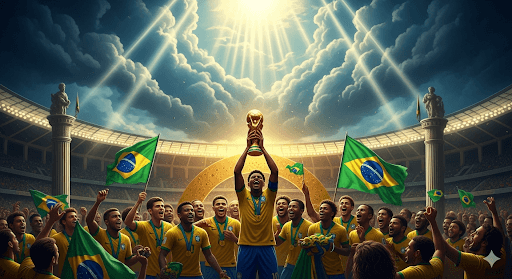
The strength of the Kingdom was never bought with oil wealth or billionaire subsidies.
It is born from strata of suffering and jubilation, improvisation and discipline, dusty back-alleys and monumental cathedrals.
The folklore that is retold every time a ball rolls is what has crowned Brazil as the Kingdom.
The rules gifted by the motherland are precious.
Yet what the soul of the world truly fell in love with
was never the mechanical execution of prescribed rules,
but the unchained freedom to dance.
The land where football became culture—that will always be Brazil.