In 1991, Japanese football still wandered in the dark before dawn.
The very concept of a “professional footballer” was nebulous, and the distance separating the nation from the world's elite was an ocean of despair. In that barren landscape, a solitary titan stepped onto the island.
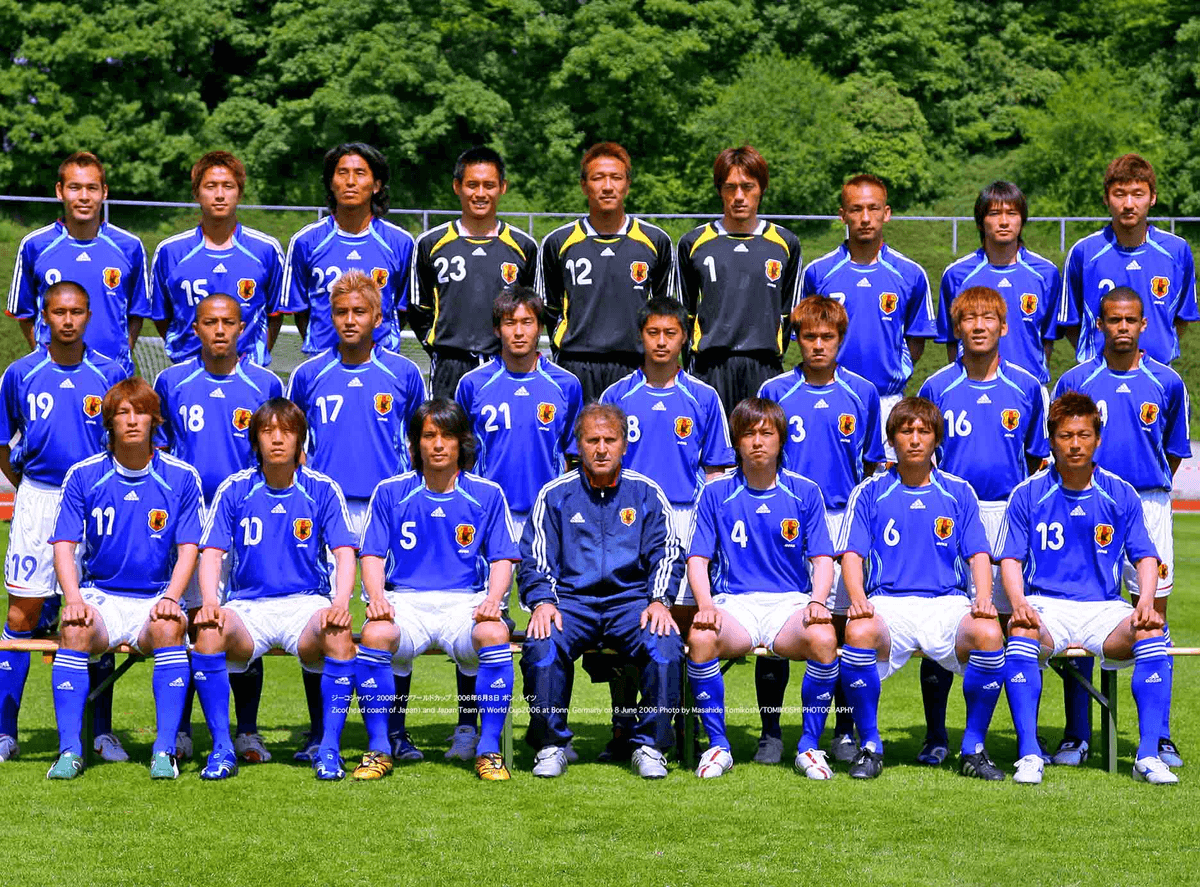
Arthur Antunes Coimbra—the man the planet venerated as “God”.
Zico.
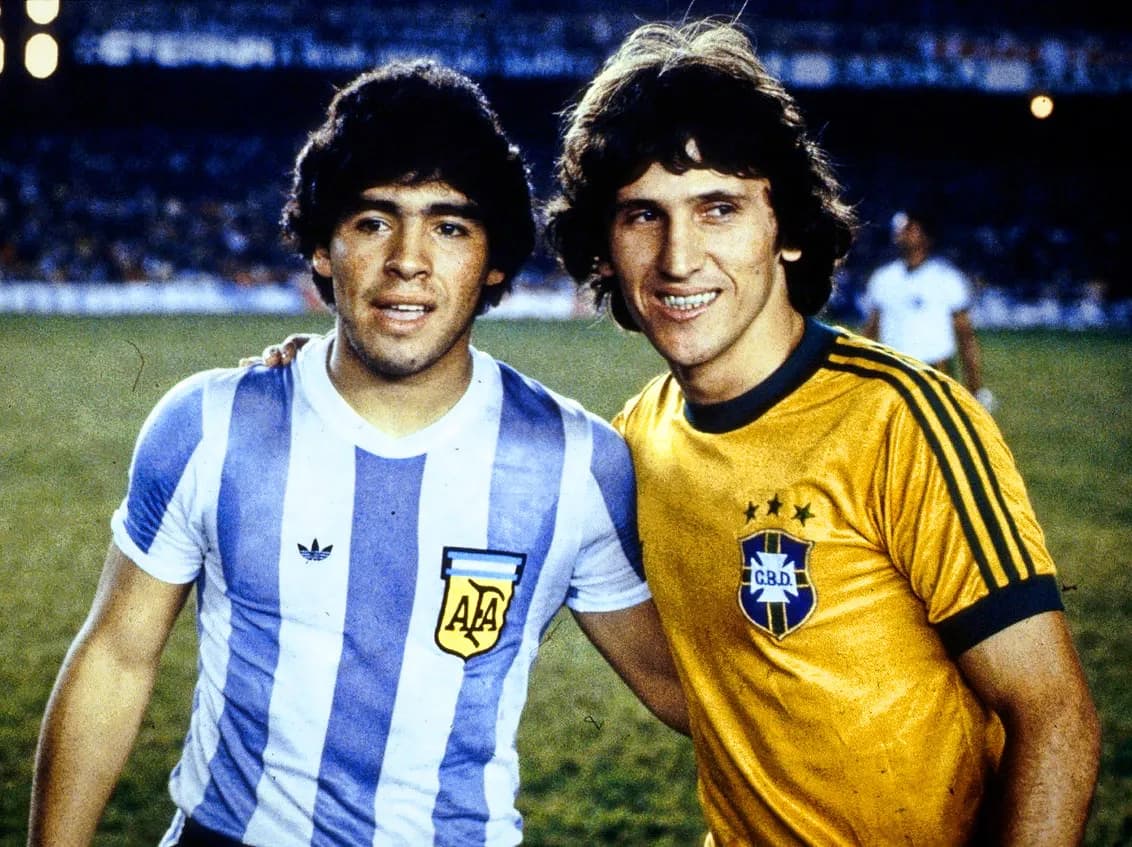
Why did a deity who had shaken the Maracanã and enchanted the globe choose, for the final chapter of his majestic odyssey,
an obscure second-division corporate club in the Far East?
It was never a mere transfer.
It was the beginning of an epic pilgrimage: to sow seeds in virgin soil, to plough the earth with his bare hands, and to forge the footballing soul of an entire nation from absolute zero.
This is the chronicle of a sacred gift bestowed upon Japan by a sovereign of the game.
A New World at the Edge of Glory: The Autumn of a Legend and an Audacious Call
Zico’s footballing journey was pure incandescent royalty.
At Flamengo, he reigned as the greatest idol in the club’s storied history.
He conquered the Copa Libertadores, and on Japanese soil in the 1981 Intercontinental Cup, dismantled Bob Paisley’s Liverpool with an exhibition that crowned Flamengo champions of the world.
In the Seleção, alongside Sócrates, Falcão, and Toninho Cerezo, he formed the iconic
“Golden Quartet.”
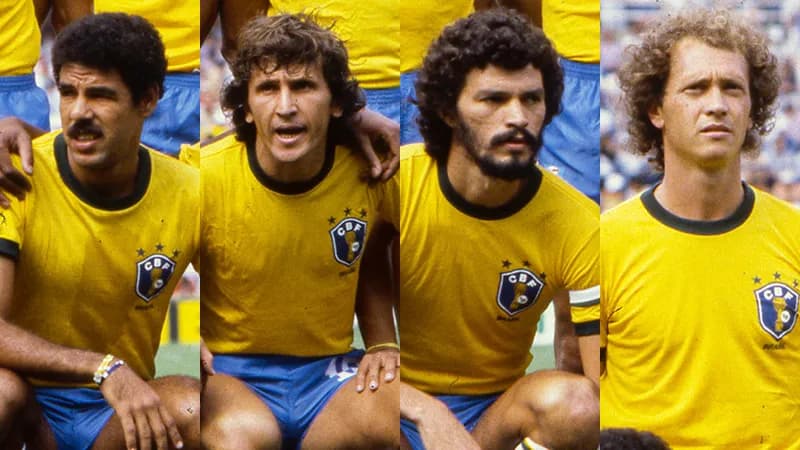
Their football at Spain 1982, though cruelly denied the trophy, became an immortal legend:
“The most beautiful team to have ever graced a World Cup.”
His play touched the realm of high art, bending free-kicks into top corners as though defying terrestrial physics.
Throughout the 1980s, the name Zico was the very definition of footballing perfection.
Yet glory does not halt the passage of time.
A brave spell in Udinese, recurring knee surgeries, and a farewell tour in Brazil brought his playing days toward dusk.
When an offer arrived from Japan, the footballing establishment was utterly bewildered.
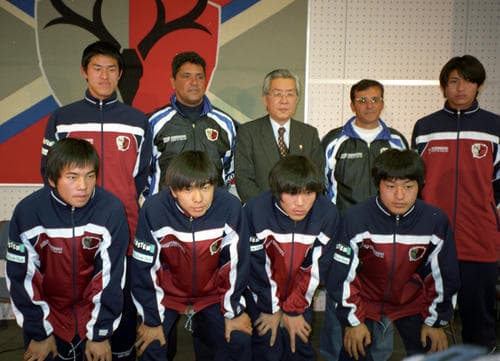
Sumitomo Metals FC was merely a semi-professional corporate side languishing in Japan’s second tier, dreaming of inclusion in the nascent J.League.
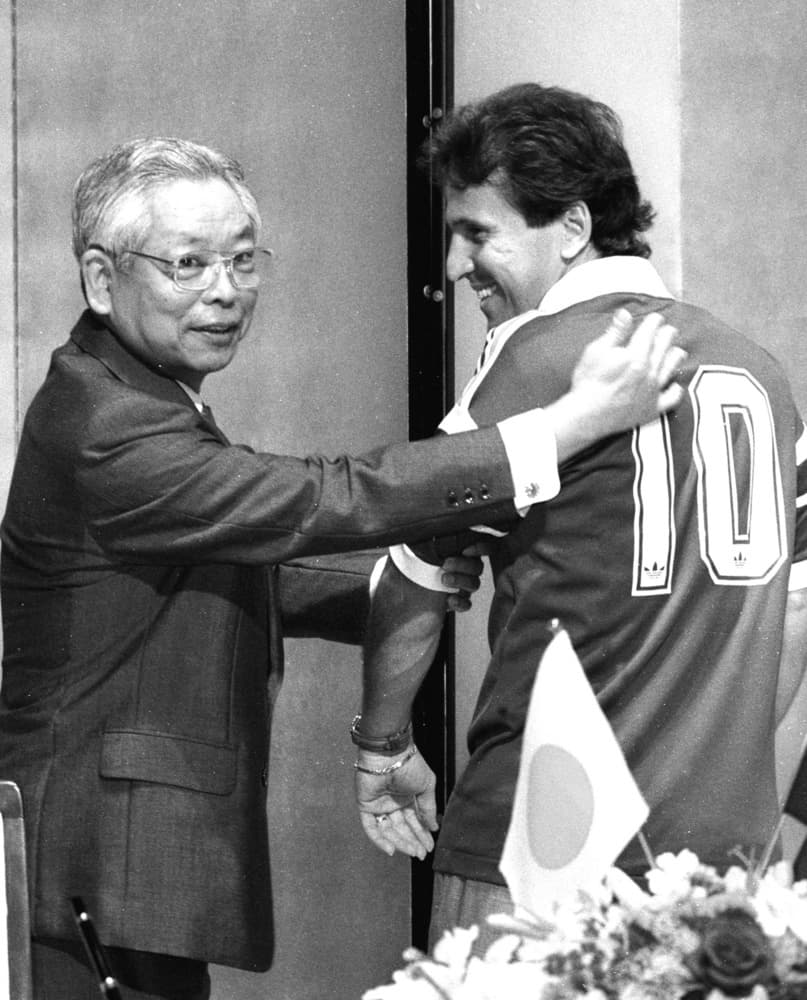
Why would a sovereign of the world’s grandest arenas say yes?
Financial compensation and empty accolades cannot explain this choice.
What called to him was his deep philosophical ethos and an insatiable thirst for uncharted wilderness.
The sheer sincerity of Sumitomo Metals negotiator Mitsuru Suzuki (later Antlers’ legendary sporting director) and his impassioned plea:
“We want to build the history of this club from absolute zero, shoulder-to-shoulder with Zico.”
That unvarnished, pure vision touched Arthur’s heart.
He discovered his true destiny: the ultimate, most sacred duty of an artist—not merely playing the game, but constructing an entire culture where none had ever existed.
The Transfusion of a Soul: The Revolution Called the “Zico Spirit”
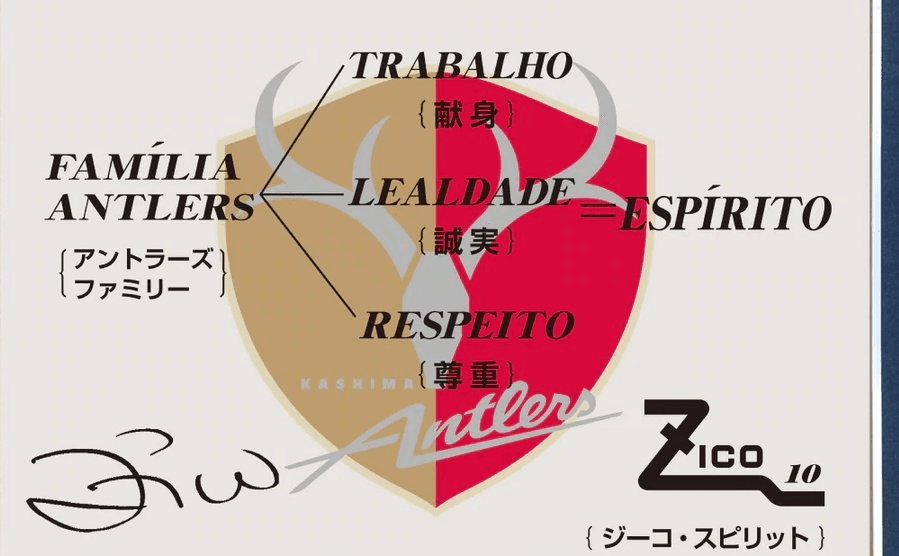
What Zico brought to Japanese soil was far grander than hypnotic technique or surgical passing.
His true gift was the holy doctrine of “Professionalism”—a complete redefinition of the human posture toward competition, labour, and honour.
That creed came to be known as the “Zico Spirit”, permeating every blade of grass at Kashima Antlers and, eventually, every corner of Japanese football.
“All for Victory”: The Uncompromising Obsession From Training Pitch to Dressing Room

Zico’s professionalism was not confined to ninety minutes on matchday.
It was his posture in daily training, his meticulous diet, his match preparation, and his fiery conduct inside the locker room.
Every single breath was focused upon a single objective: victory.
In the company culture of early-90s Japan, where amateur footballers clocked out and went drinking together, Zico was an uncompromising shock to the system. After every session, he spent hours cooling down and treating his body. If his side lost even an informal training scrimmage, the walls of the dressing room shook with his furious indignation.
Football is not a hobby. It is life itself. Wearing the crest of this club means carrying the dreams and sorrows of an entire community on your shoulders. Anyone who cannot shoulder that sacred burden has no right to call themselves a professional.
His words and actions shattered the naive mindset of Japanese players at the dawn of the professional era.
Merely “enjoying the game” was not enough to make a professional.
The iron discipline to master oneself, the willingness to bleed for victory—that was the gospel Zico came to preach.
Leadership Through the Broadness of the Back: The Standard Demonstrated in Action
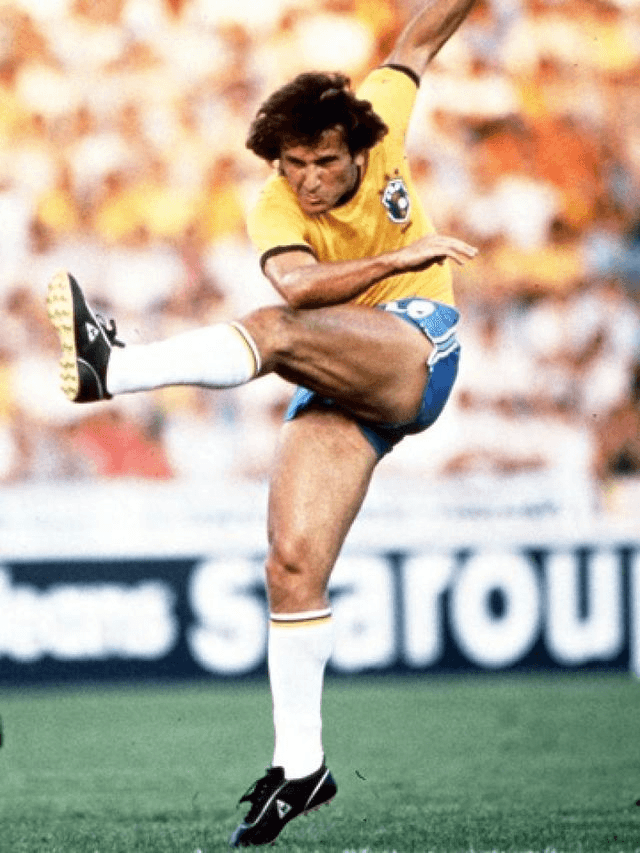
He was not a man given to long lectures.
Yet once the ball rolled onto the turf, his boots spoke with thunderous eloquence.
He was the first to arrive at the training ground and the last to leave. If a youngster was struggling with free-kicks, Zico walked over in absolute silence, placed a ball down, and whipped it into the top corner with surgical perfection. That trajectory hit the young player’s heart harder than a thousand speeches.
When matches turned agonizing, his genius burned brightest.
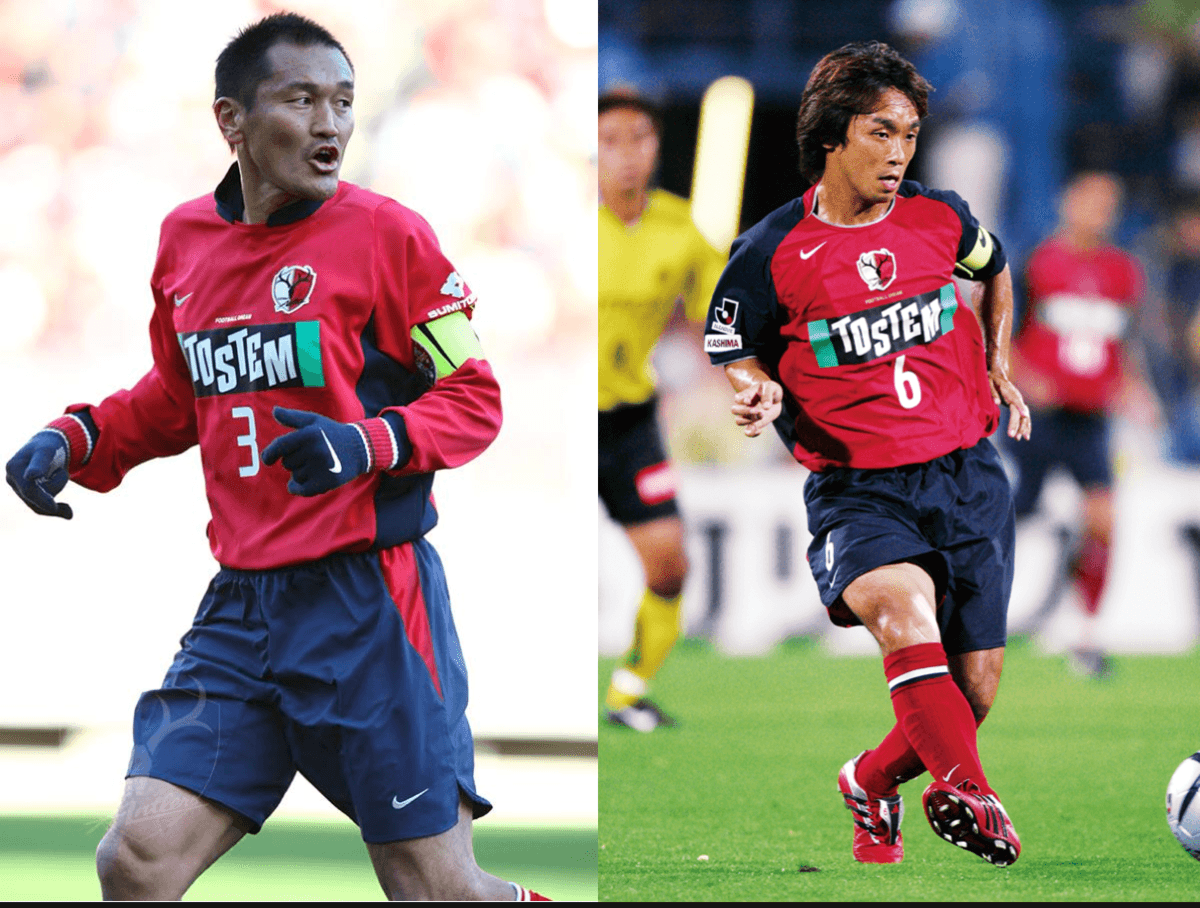
Never yielding, shattering stalemates with a single flash of divine imagination. Young men like Yasuto Honda and Yoshiyuki Hasegawa watched the master’s back, drinking in the true definition of a winner’s mentality.
Kashima Antlers as Living Art: The Foundation of an Empire

The seeds Zico planted germinated with astonishing vigor in the soil of Kashima.
When the J.League launched in 1993, Kashima Antlers stormed across the nation.
They captured the inaugural Suntory Series (first stage), and Zico’s aura was incandescent. His opening-day hat-trick against Nagoya Grampus Eight remains legendary—a thunderous salvo that inaugurated the professional era.
The secret of their dynasty lay entirely in the trinity of values Zico etched into the club's soul:
Dedication, Sincerity, Respect.
He did not merely deliver trophies;
he constructed an enduring culture of winning.
Yutaka Akita, Yasuto Honda, Naoki Soma…
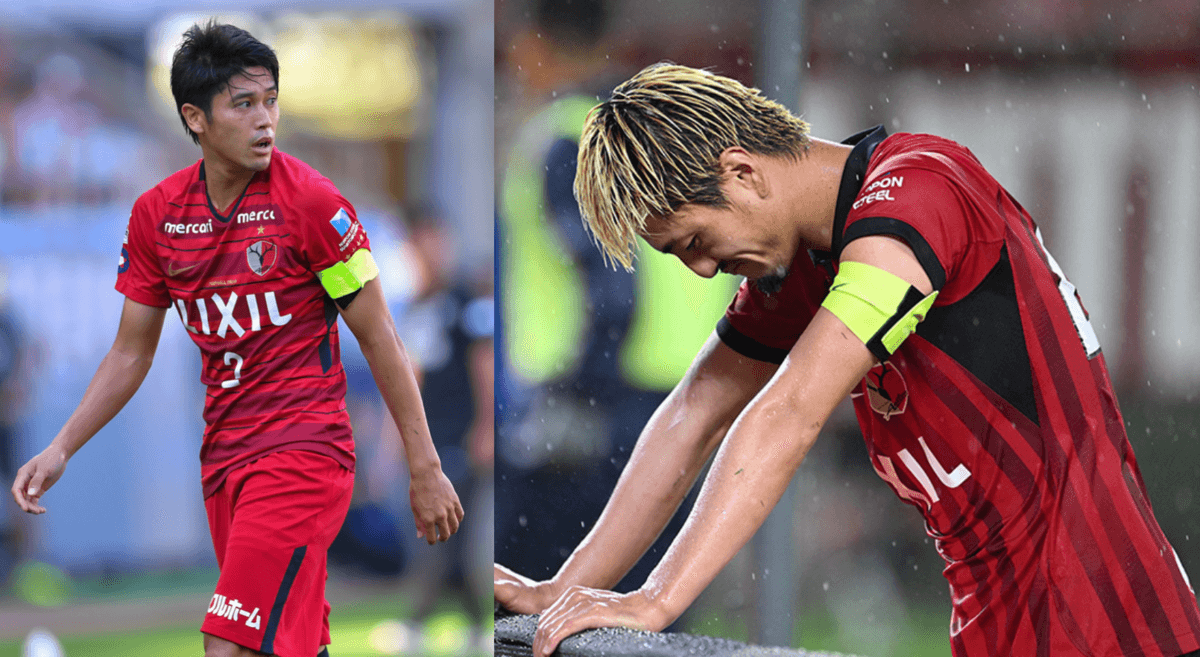
The disciples schooled under Zico’s watchful eye became the living embodiment of his spirit.
They inherited not just technique, but a ferocious warrior ethic, passing it down to subsequent generations. Kashima Antlers became the greatest masterpiece that Zico, the artist, ever carved into the soil of Japan.