The Global Economy That "Rules" the Pitch: Bordeaux’s Tragedy, United’s Agony, and the Dawn of Arsenal
On a weekend afternoon, earth-shaking chants reverberate through the stadium as eleven men line up across the lush green turf.
The ninety minutes of contest unleashed by the referee's whistle, the fluid choreography of passes, and the solitary strike that tears into the netting—these moments leave the world breathless in collective ecstasy.
What unfolds on the pitch has always gripped the human soul, refusing to let go.
Yet in modern football, the composition of the starting eleven and the disparities in competitive power are no longer forged merely by a tactician’s whiteboard or a scout’s discerning eye.
Lurking directly beneath the surface are hundreds of billions in cross-border capital, the cold exit horizons of American private equity funds, sovereign wealth from the Gulf, and the intricate web of regulatory frameworks dictating the "rules of capital."
The colossal mechanics of global finance stirring just beyond the touchline.
Acting as an invisible hand, it seeps into the green turf, dictates the team sheet, at times snuffs out the life of a centenary institution, and at others ushers in an unforeseen dawn.
Why is understanding this off-pitch financial architecture so intensely thrilling today? Through the contrasting journeys of three legendary clubs and the choices of nations, we dive into the depths of the game’s modern reality.
The Broken Heartbeat in the City of Wine: Bordeaux and the Toll of Predatory Capital
In the summer of 2024, across the storied wine country and port city of southwestern France, news arrived that sent cold tremors through European football.
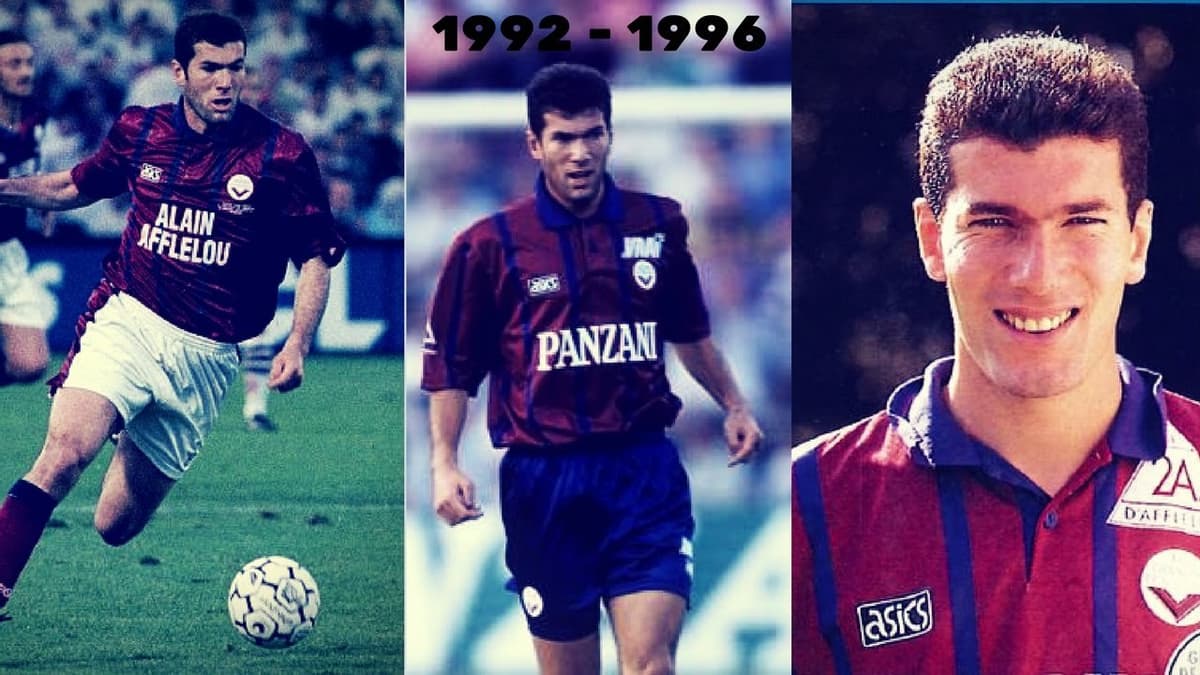
Founded in 1881, six-time champions of France, and the proving ground where a young Zinedine Zidane once danced across the turf, FC Girondins de Bordeaux filed for bankruptcy and was stripped of its professional status. The club took down the crest it had honored for over a century, accepting demotion to the amateur fourth tier of French football.
What cast this institution into the abyss was not a breakdown in tactical dogma.
It was the invasion of short-term private equity, swallowed whole by the sudden bursting of the television rights bubble.
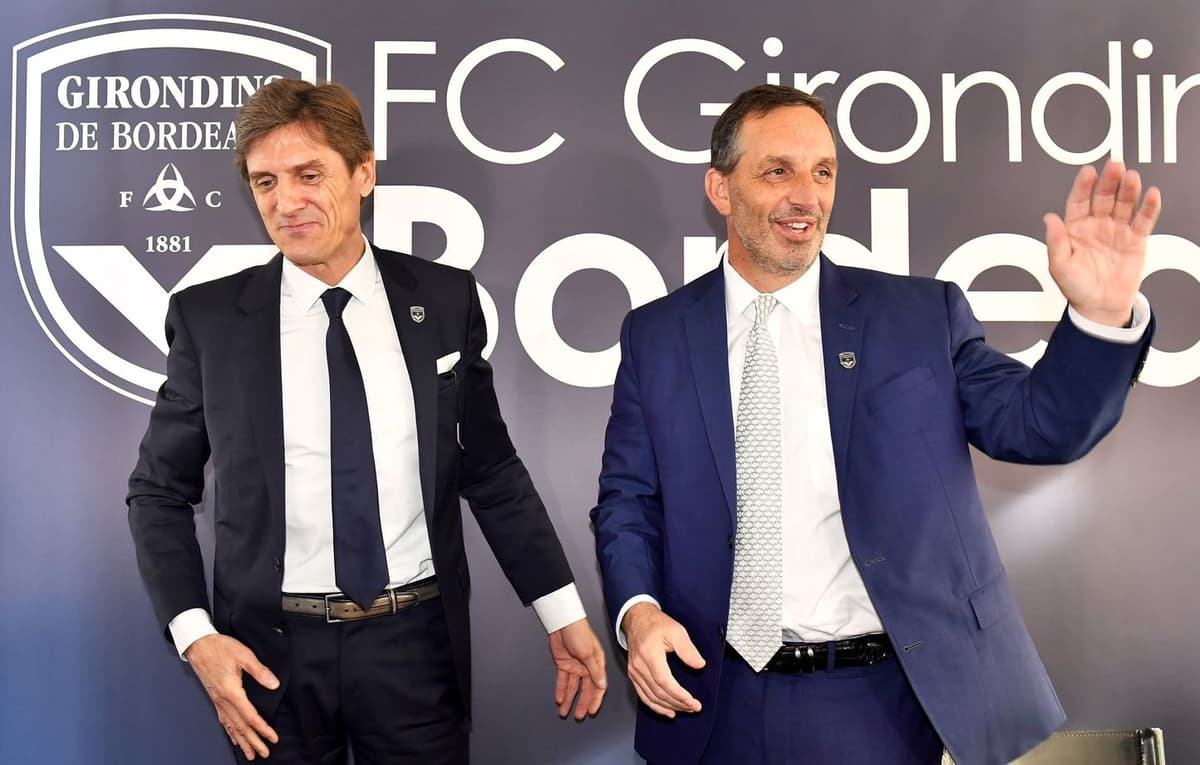
The genesis dates back to 2018, when American investment firm GACP (later taken over by King Street Capital) completed its buyout.
What the fund introduced was the archetypal private equity playbook: inflate club valuation in the short run to execute an aggressive, highly profitable flip.
At the time, Ligue 1 was drunk on euphoria, having signed a domestic broadcast deal with Spanish media agency Mediapro worth nearly €1 billion annually.
Anticipating an endless deluge of broadcast revenue, the ownership embarked on a spending spree beyond its means, inflating payrolls with exorbitant fees and unsustainable wages.
But in 2020, as the pandemic brought European sport to an abrupt halt, Mediapro defaulted on its scheduled payments, and the agreement disintegrated. The instant the bubble popped, the investment fund froze all capital injections and effectively abandoned the club. To them, Bordeaux was neither civic heritage nor the beating heart of supporters’ lives; it was merely an underperforming line item on a distressed asset ledger.
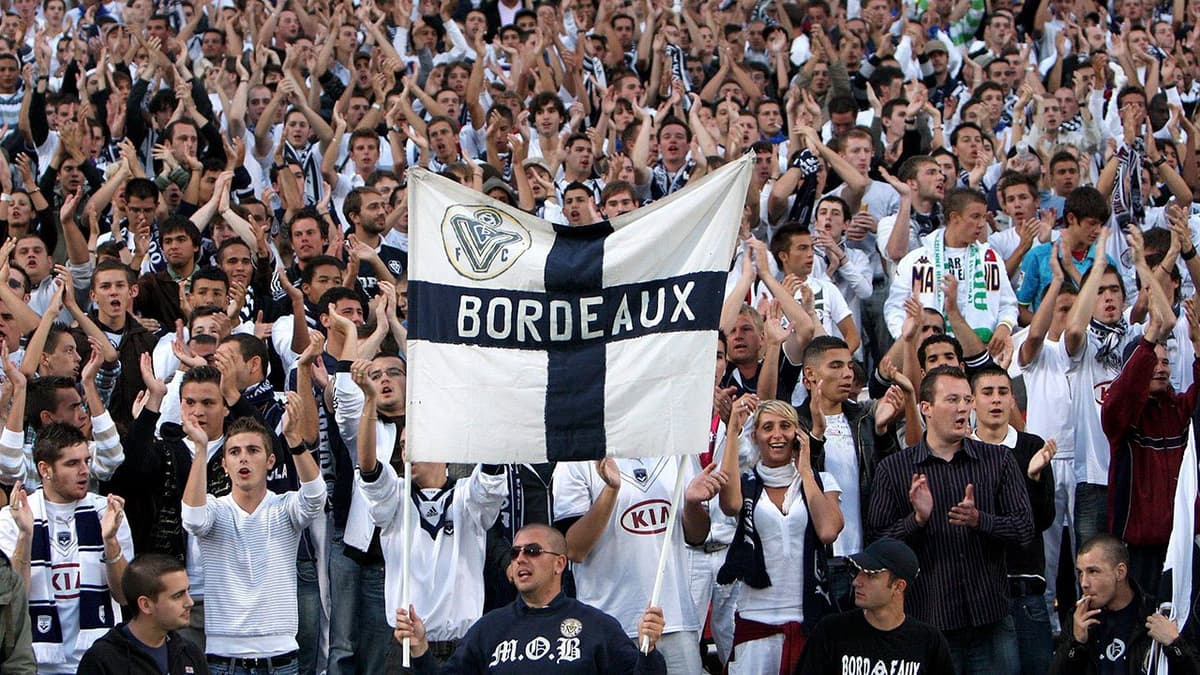
With accumulated debts soaring past €100 million, rescue takeover talks collapsed. The contracts of every single first-team player were terminated, and the renowned academy was shuttered overnight.
How easily capital, chasing rapid extraction while scorning the local soul of a club, can incinerate an entire football culture. The tragedy of Bordeaux stands as an unvarnished warning to the modern game.
The Crushing Weight of the Theatre of Dreams: Manchester United and the Limits of a Commercial Behemoth
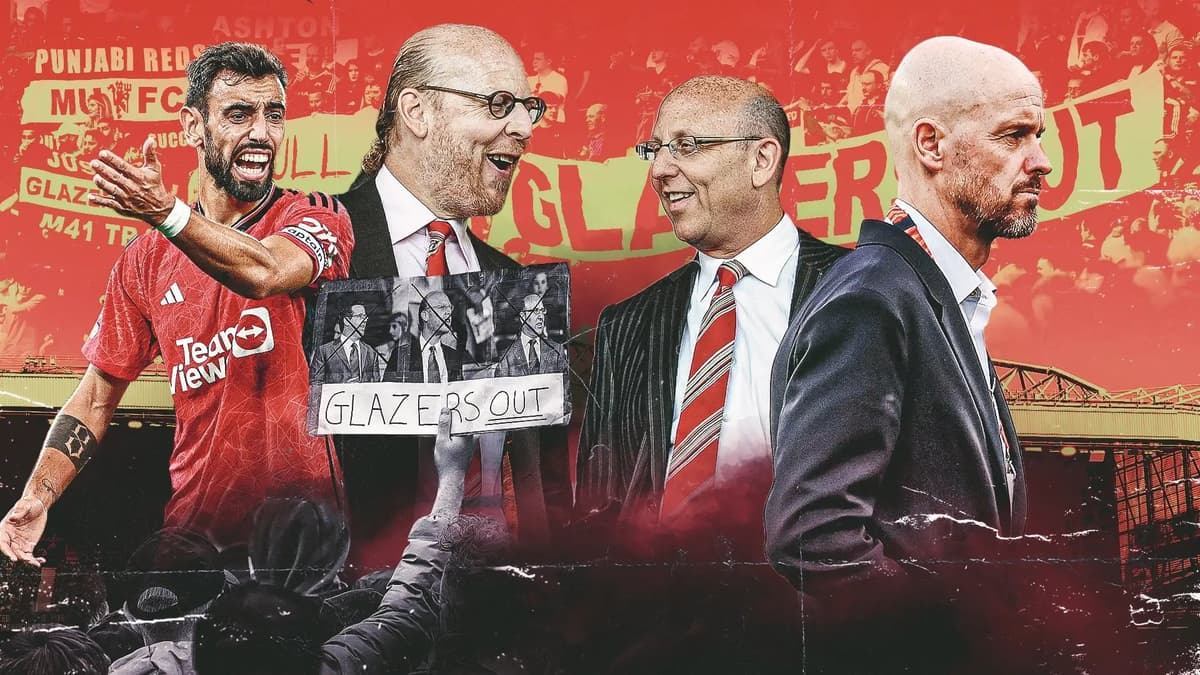
While the French titan was dismantled by the violence of financial mechanics, across the English Channel stood a monstrous institution that endured two decades saddled with titanic debt through the sheer, unmatched magnetism of its global brand alone.
Manchester United. The undisputed global megaclub that calls Old Trafford—the "Theatre of Dreams"—its spiritual home.
In 2005, American tycoon Malcolm Glazer seized control of the club using a Wall Street mechanism known as a Leveraged Buyout (LBO).
It was a transaction where the vast bulk of the takeover capital was borrowed, and the crushing legal obligation to repay that debt was transferred directly onto the shoulders of the acquired club itself.
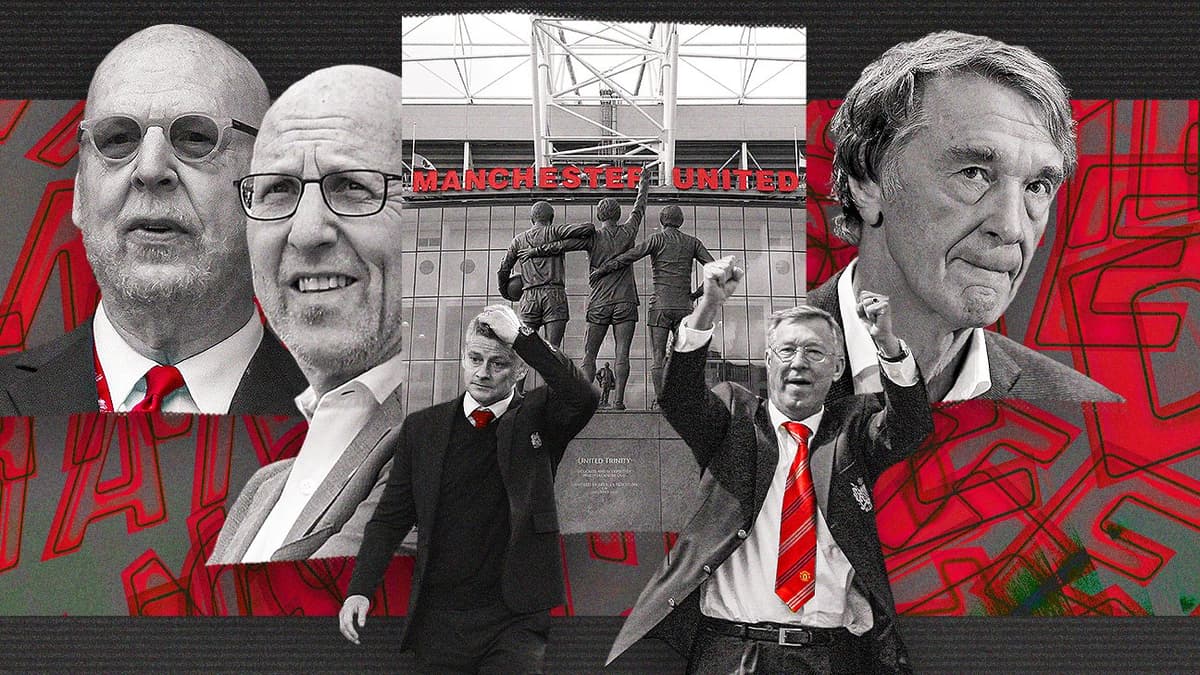
A debt-free, pristinely solvent Manchester United was made, overnight, to finance its own conquest.
Over the ensuing twenty years, the cumulative interest payments, bank fees, and owner dividends siphoned from the club amounted to nearly £1 billion. Wealth that should have fortified the pitch, the infrastructure, and the academy was methodically drained year after year.
That United could remain standing amidst this drain was testament to the monumental heritage built by Sir Alex Ferguson and the staggering commercial horsepower generated by its planetary fanbase. By pooling global sponsorship revenues, the club managed to fund blockbusting marquee transfers even while hemorrhaging mountains in debt service.
Yet even that immense reservoir of brand equity was not bottomless.
Bereft of a coherent sporting compass, assembling high-earning superstars for marketability rather than tactical cohesion, discipline decayed and the squad warped into dysfunction. As cash continued to bleed outward, Old Trafford deteriorated, until waterfalls pouring through the rusted roof onto spectator seats became a grim, recurrent symbol of neglect.
In 2024, Sir Jim Ratcliffe’s INEOS took full control of football operations to embark on radical reconstruction, yet the climb to unravel twenty years of institutional decay remains treacherous. Even the most lucrative brand in world football cannot endure relentless financial extraction without suffering devastating scars.
The Dawn of Philosophy and Capital in Harmony: Arsenal and the Vindication of Sporting Conviction
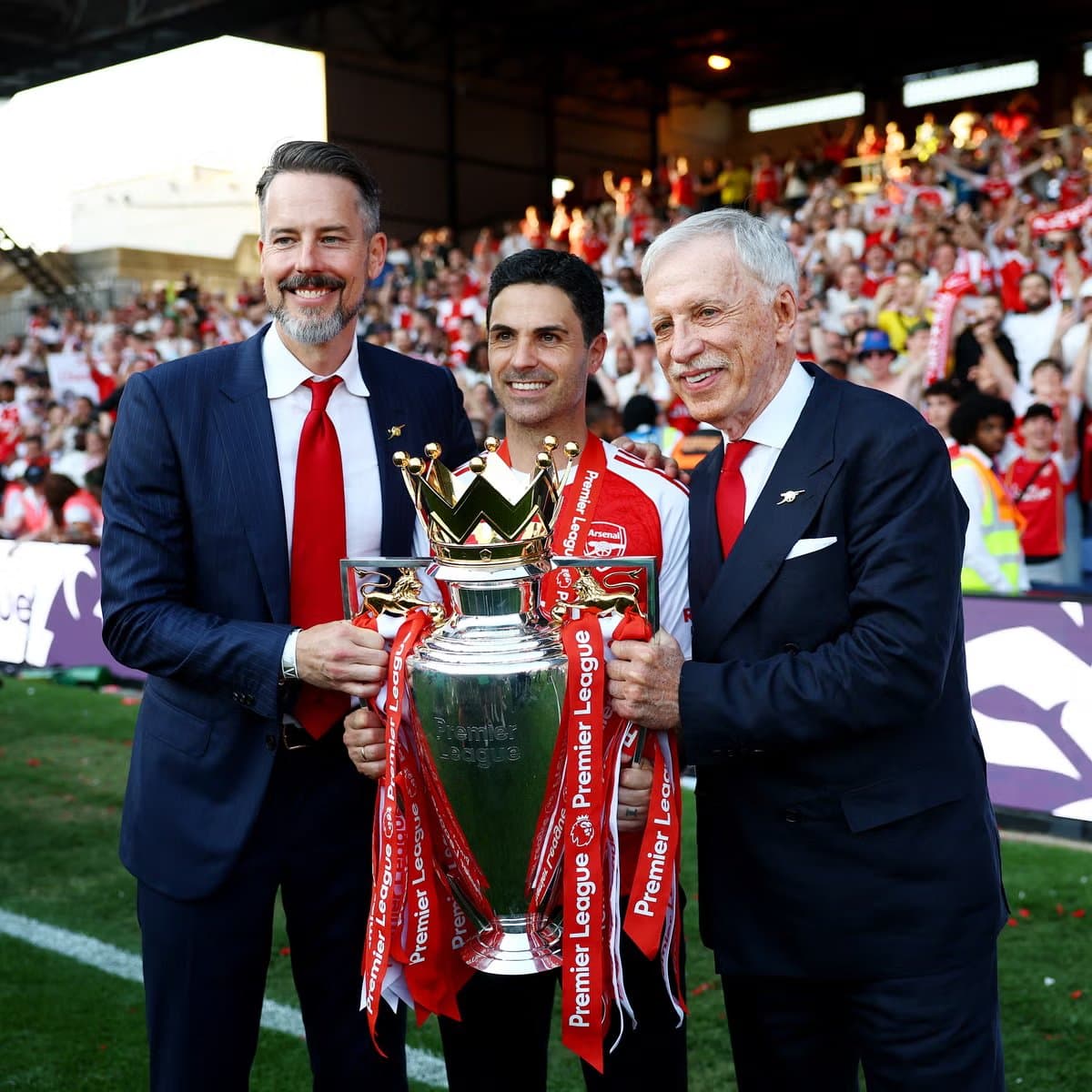
Across London, Arsenal too had spent long years simmering with profound distrust and supporter fury directed at an American patriarch.
When Stan Kroenke acquired complete ownership, supporters condemned him as an absentee proprietor viewing the institution as nothing more than a commercial cash cow. Lingering memories of austerity—selling off captains and talismanic figures to service stadium debt—only stoked the flames of resentment.
Yet Arsenal managed to engineer a model of renaissance where capital and sporting philosophy resonate in exquisite harmony.
The watershed arrived in late 2019 with the hiring of Mikel Arteta and the elevation of Josh Kroenke, the owner’s son, into an active stewardship role. The boardroom renounced commercial vanity signings, surrendering the club's destiny to Arteta's uncompromising creed of "non-negotiables."
That unflinching resolve was laid bare in a ruthless, painful liquidation of toxic dressing-room assets.
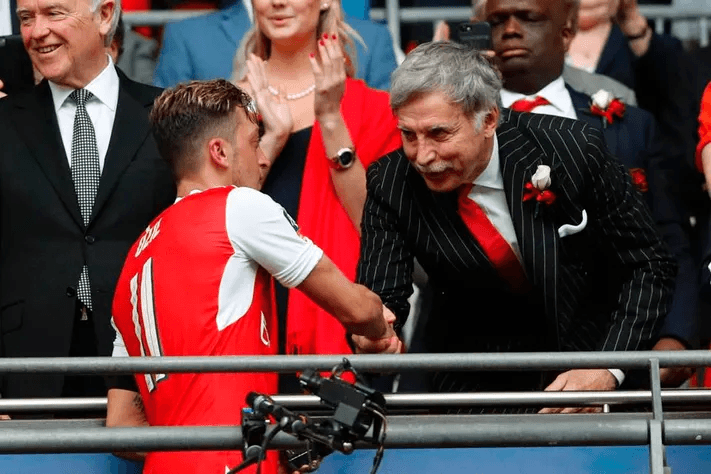
Mesut Özil and Pierre-Emerick Aubameyang, each drawing the highest wages in the squad while eroding team discipline, were paid severance fees and released virtually for free. The board absorbed heavy balance-sheet write-downs, purging celebrated stars to protect the sanctity of Arteta’s dressing room.
Having absorbed those immediate financial hits, Arsenal built around academy graduates like Bukayo Saka, funneling investment exclusively toward players ready to give their souls to the manager’s vision, such as Martin Ødegaard and Declan Rice. The ownership refused to panic over short-term setbacks, standing steadfastly behind Arteta through consecutive eighth-place finishes.
When capital yields authority to sporting philosophy, acting as an empowering shield rather than a grasping master, Arsenal was reborn into a powerhouse contending for the Premier League title. When money encounters genuine footballing wisdom, capital ceases to be a shackle and becomes wings for the club’s soul.
How the Architecture of Capital Shapes Destiny: Defenses and Adaptation Across the Footballing World
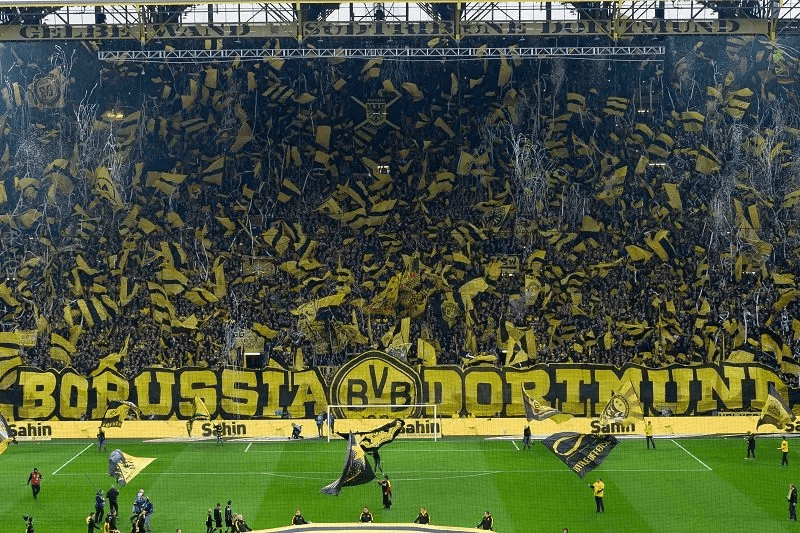
As the trajectories of Bordeaux, United, and Arsenal demonstrate, the posture of capital dictates the survival and soul of a football club. Looking across borders, different football cultures have erected bespoke ownership models and defensive ramparts to navigate these predatory currents.
Germany: Supporter Sovereignty and the "50+1 Rule"
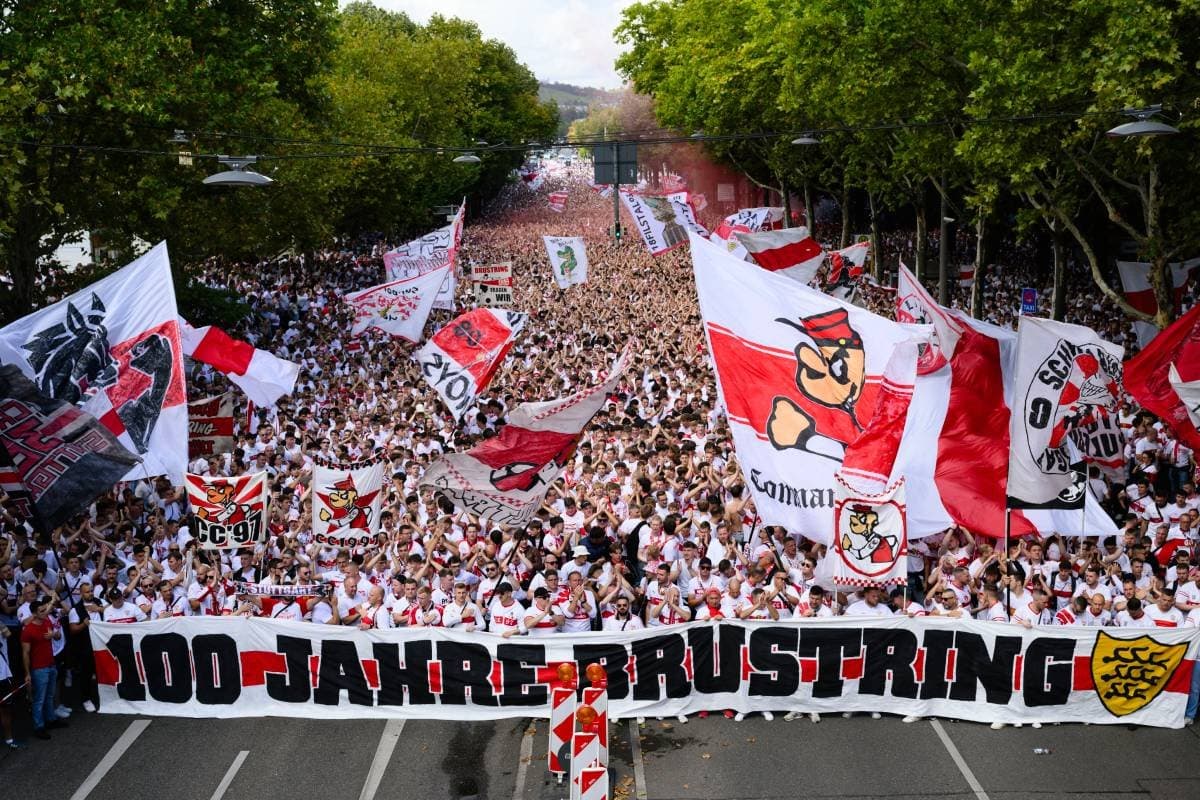
In the German Bundesliga, no matter how many equity shares an outside investor snaps up, the majority of voting rights (50% plus one vote) must remain permanently in the hands of the non-profit, member-owned club.
Whether at Bayern Munich or Borussia Dortmund, ultimate sovereignty rests with the supporters. Asset flips like Bordeaux or leveraged takeovers like United are structurally impossible. The trade-off for eschewing sovereign wealth injection is the preservation of a culture made for the fans: the lowest ticket prices in top European football, packed and roaring terraces, and steadfast financial solvency.
Italy: Coexisting with Private Equity — Inter’s Pragmatic Realism
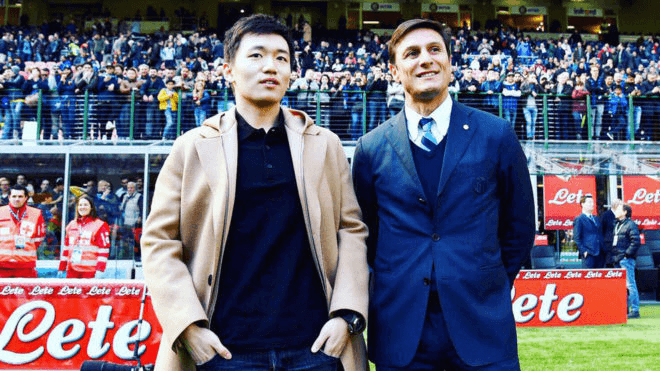
Following the financial default of its Chinese parent company, Suning Holdings, ownership of Italian heavyweight Inter Milan was transferred in 2024 to American investment fund Oaktree Capital.
That Inter did not unravel amidst this corporate seizure is credited to the presence of Giuseppe Marotta, one of football’s master executives. Recognizing its own limitations, the fund avoided tactical interference and appointed Marotta club president with sweeping autonomy. Through razor-sharp operational acumen, Marotta preserved competitive excellence and the dignity of reigning Serie A champions—an apex exhibition of cold finance coexisting with sporting pragmatism.
Japan: Preventing Extinction — The Strict Discipline of the J.League
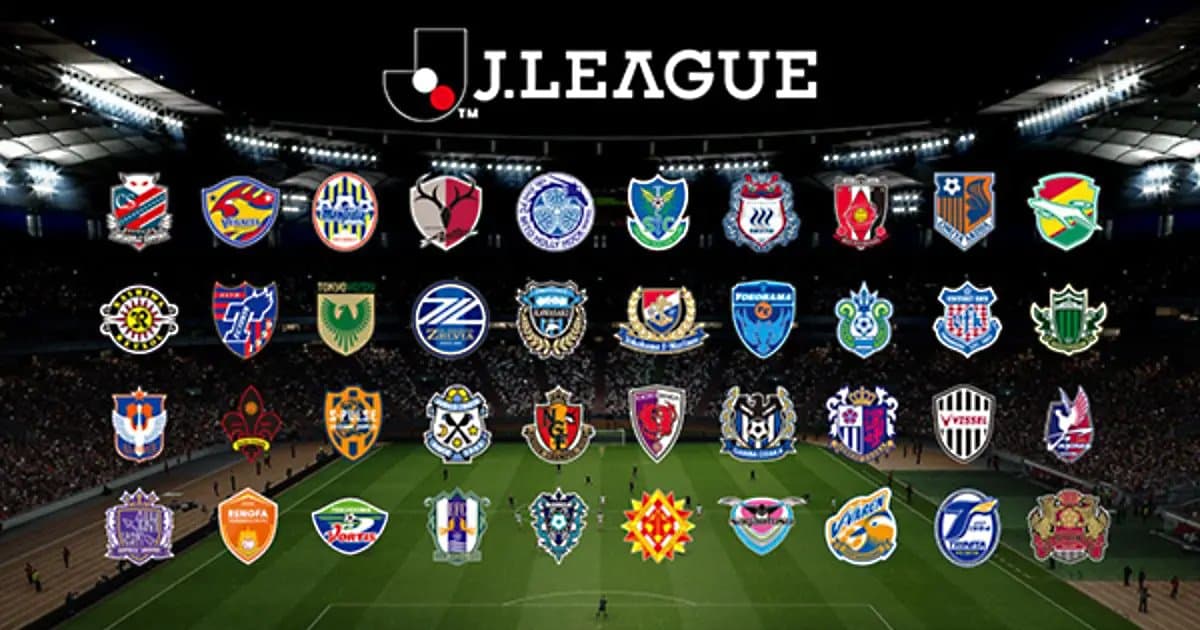
In Japan’s J.League, an uncompromising club licensing system has been meticulously engineered since its inception.
Any club that posts consecutive annual deficits for three seasons or falls into negative net equity is denied a license, facing expulsion or mandatory relegation. To forestall predatory short-term buyouts by speculative funds, the league mandates thorough vetting alongside an unwavering commitment to regional community integration under its "100-Year Vision."
While this fiscal discipline might appear at first glance as a shackle constraining blockbuster investment, it ensures that Japanese supporters never wake up to the nightmare of their club being stripped, flipped, and extinguished. With corporate partners providing steady backing and local communities entwined with their clubs, Japan protects that most precious and comforting promise: that their team will still be there tomorrow.
To Whom Does Football Truly Belong? The Dignity of the Turf Beyond the Financial Tempest
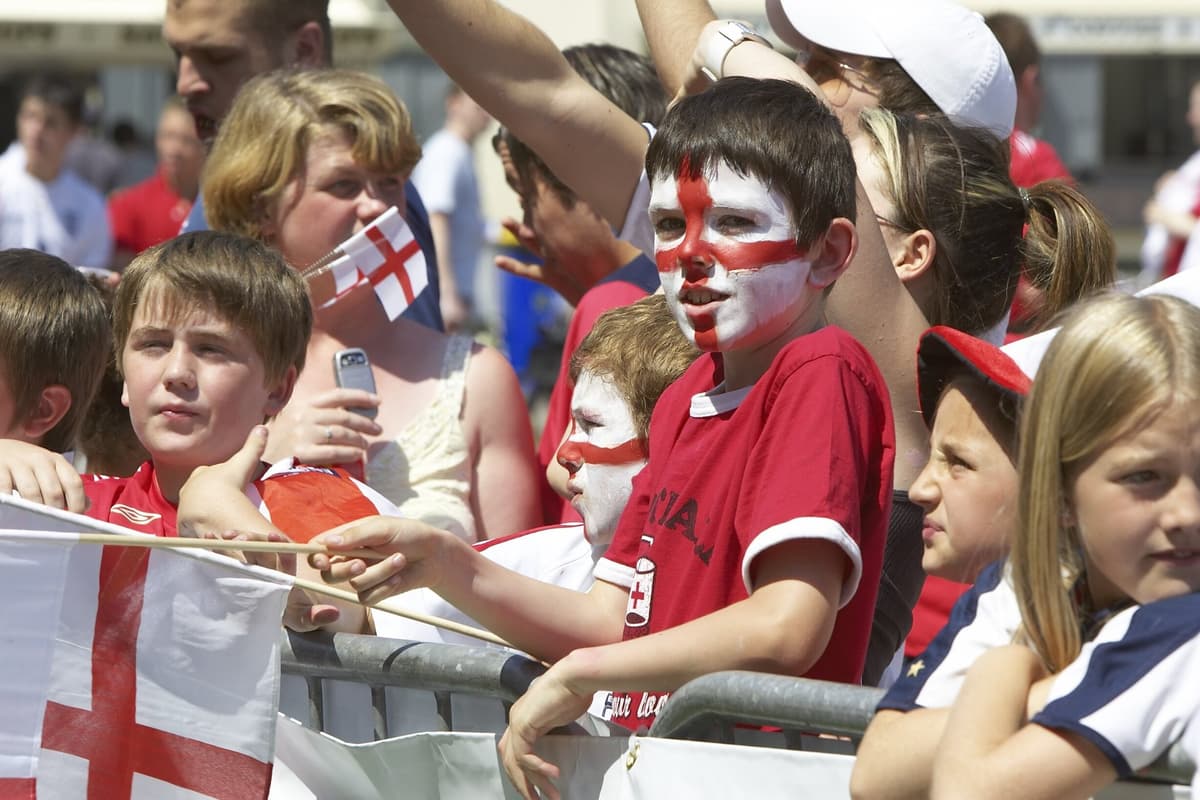
Private equity funds, sovereign wealth, supporter co-operatives, corporate partnerships... the financial shapes enclosing modern clubs are diverse, and each quietly dictates the eleven men who step onto the grass.
Yet let us pause and ask the essential question: To whom, after all, does football truly belong?
Born in nineteenth-century Britain and spreading to every corner of the earth, this game captivated humanity not because of spreadsheets, but because ordinary working people, ground down by grueling labor, poured their lives and entrusted their civic pride into their local team every weekend.
A football club is not an asset class for investors to strip and flip. For supporters, a club is their life, their sanctuary, their reason for being—a repository of collective memory passed reverently from grandfather to father, and from father to child.
For football to flourish as a global culture, capital is undeniably required. But the moment we forget for whom the ball is being kicked—the working-class roots from which it drew breath—and reduce clubs to pawns in a financial casino, the game loses its very soul, fading into oblivion like Bordeaux.
That no matter how fiercely the tempests of the global economy howl, the club we love is still there, waiting for us at the stadium this weekend as it always has.
In an era where colossal fortunes attempt to rule the pitch, what clubs across the world are fighting so desperately to preserve is this sacred green turf—and the dignity of human purpose that gathers around it.
Share this story