Who Does the 2026 World Cup Expansion Truly Serve? The Vanishing Sanctity of 64 Matches
The Uncharted Script Penned by Zurich
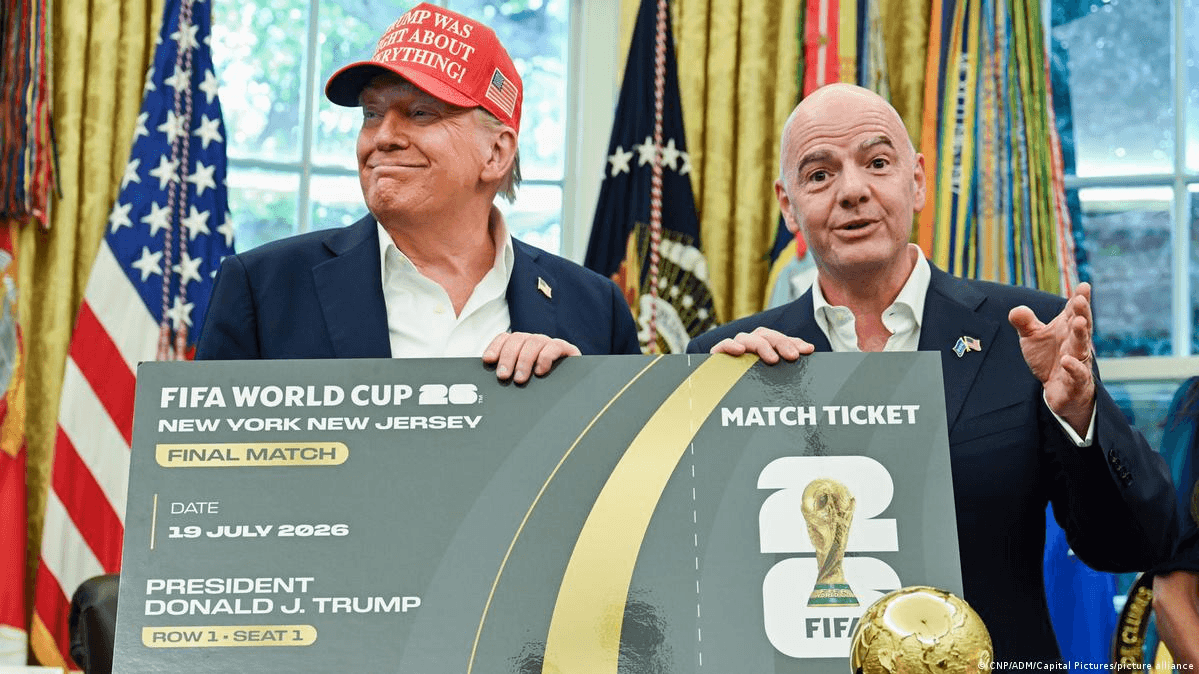
The World Cup was once consecrated ground.
Every four years, 32 nations handpicked from across the globe gathered on pristine turf, wagering a lifetime of national pride and romantic longing. It was a summit of ferocious purity, immune to diluted compromise. In an increasingly commodified world, it remained one of the rare secular temples where raw human emotion, collective tears, and sheer existential defiance collided without artificial buffering.
Yet in 2026, everything changes.
The upcoming tournament across North America is set to dismantle the exquisite, harmonious rhythm we had long taken for granted: the sacred cadence of one month and 64 matches.
In its place arrives an unprecedented behemoth of 48 nations and 104 fixtures.
When FIFA first unveiled this radical regulatory transformation, the emotion that stirred within me was not anticipation for the future, but a cold, unsettling unease.
It felt as though the spiritual purity we had guarded for generations was being swallowed whole by an insatiable corporate tide.
Why took FIFA such immense sporting risks to reshape the tournament’s foundational architecture?
Behind this monstrous expansion, what script is football's governing body truly composing? We stand today at the precipice of the most consequential watershed in World Cup history.
The Transformation: From 32 to 48 and the Logic of Bloat
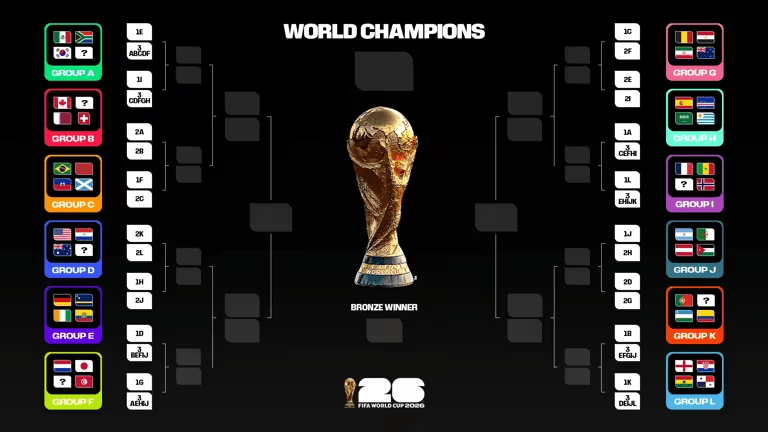
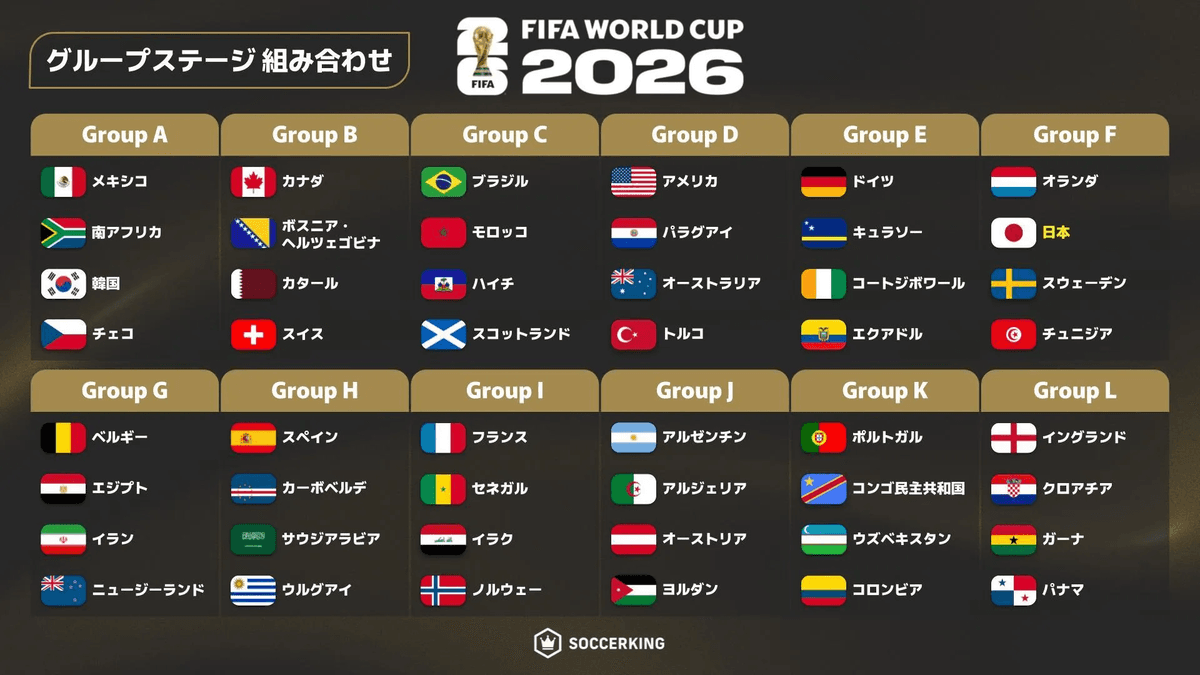
The defining alteration of 2026 is the expansion of the field from 32 teams to 48.
With it, the total match tally leaps from 64 to 104—a gruelling marathon stretching over a month and a half, punctuated by games played with mere three-day rests.
Rather than a stage showcasing the pinnacle of technical artistry, the tournament increasingly resembles an unsparing war of attrition, testing how much physical and mental punishment human beings can absorb.
A breakdown of the numbers underlines the sheer abnormality of this new landscape:
- Participating Nations: 32 → 48
- Total Matches: 64 → 104 (a staggering 62.5% increase)
- Matches to Lift the Trophy: 7 → 8
- Tournament Duration: ~28 days → 39 days
The classical architectural symmetry of eight groups of four has vanished.
In 2026, twelve groups of four will take the stage. From there, the top two finishers alongside the eight best third-placed sides will trickle into a bloated Round of 32.
It is precisely this third-place safety net that risks eroding the competition's soul. That razor-thin, suffocating tension that once defined the group stage—where every single goal kick felt like destiny—threatens to degrade into an extended calibration period.
The suffocating urgency of those afternoons where a single mistake brought national heartbreak may never return.
The Endless Attrition: When Qualifying Ceases to Matter
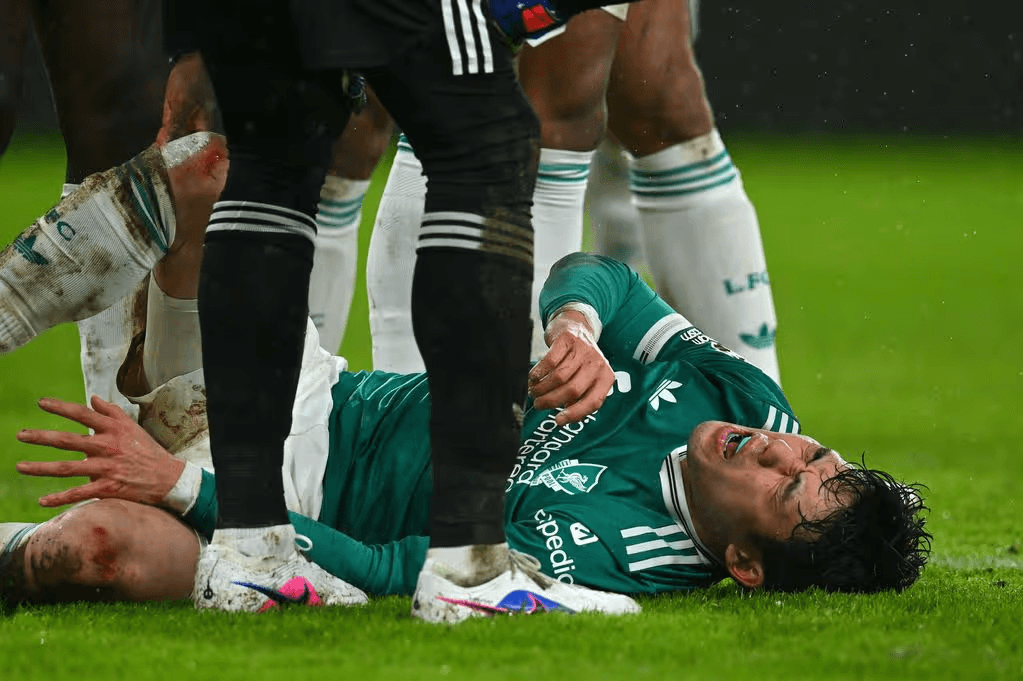
The consequences of this inflation do not begin on matchday one; they infect the entire preliminary cycle.
The qualification process itself has mutated into an exhausting, labyrinthine marathon.
FIFA’s thirst for match inventory has begun sapping the physical and mental reserves of elite footballers long before they arrive in North America.
In Asia (AFC), the final qualifying phase expanded from 12 to 18 teams, followed by a newly introduced fourth round to contest residual berths, stretching the calendar both temporally and geographically.
Where has the sublime, tragic cruelty of moments like the "Tragedy of Doha" gone, where a sudden silence plunged a whole country into inconsolable mourning?
With wider margins of error, qualifying matches have ceased to be life-or-death battles and transformed into exercises in mere risk management. Scarcity has been traded away.
While mid-tier nations celebrate their newfound accessibility, the world’s elite players bear the true cost.
Already battered by the hyper-demanding club calendar across Europe and South America, these athletes are shuttled across time zones and continents. By the time the opening ceremony arrives, their bodies are running on empty fumes.
We yearn to witness artists operating at the peak of their sublime powers, not exhausted survivors hauling their limbs across the grass out of contractual obligation.
Opening the Gates: A Distorted Continental Map
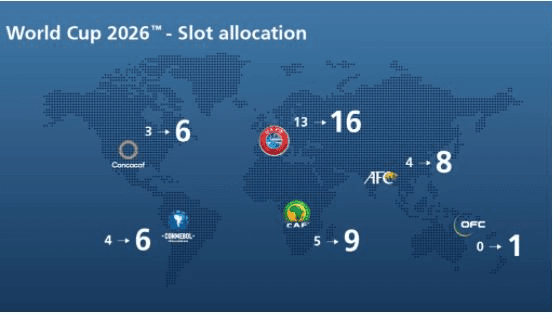
The reallocation of berths radically redraws continental geopolitics. In those cold figures, FIFA’s commercial desires are laid bare:
- Asia (AFC): 4.5 → 8.5 slots (nearly doubled, courting vast commercial markets)
- Africa (CAF): 5 → 9.5 slots (a nod to raw athletic potential and voting coalitions)
- South America (CONMEBOL): 4.5 → 6.5 slots (qualifying becomes largely ceremonial, with over 60% of nations advancing)
- North/Central America (Concacaf): 3.5 → 6.5 slots (balancing co-host privileges and market expansion)
- Europe (UEFA): 13 → 16 slots (a conservative increase for football’s historic epicenter)
South American qualification, historically the most brutal crucible on earth, has lost its razor-sharp bite. Even the final berths are funnelled into an expanded intercontinental playoff mini-tournament.
What FIFA seeks is unvarnished: access to unmonetized frontiers and astronomical broadcasting windfalls. While these bloated figures flatter the Zurich ledger, they strip away the aura that made the World Cup an untouchable summit.
We are watching the slow death of scarcity in real time.
The Tyranny of Distance Across a Continent
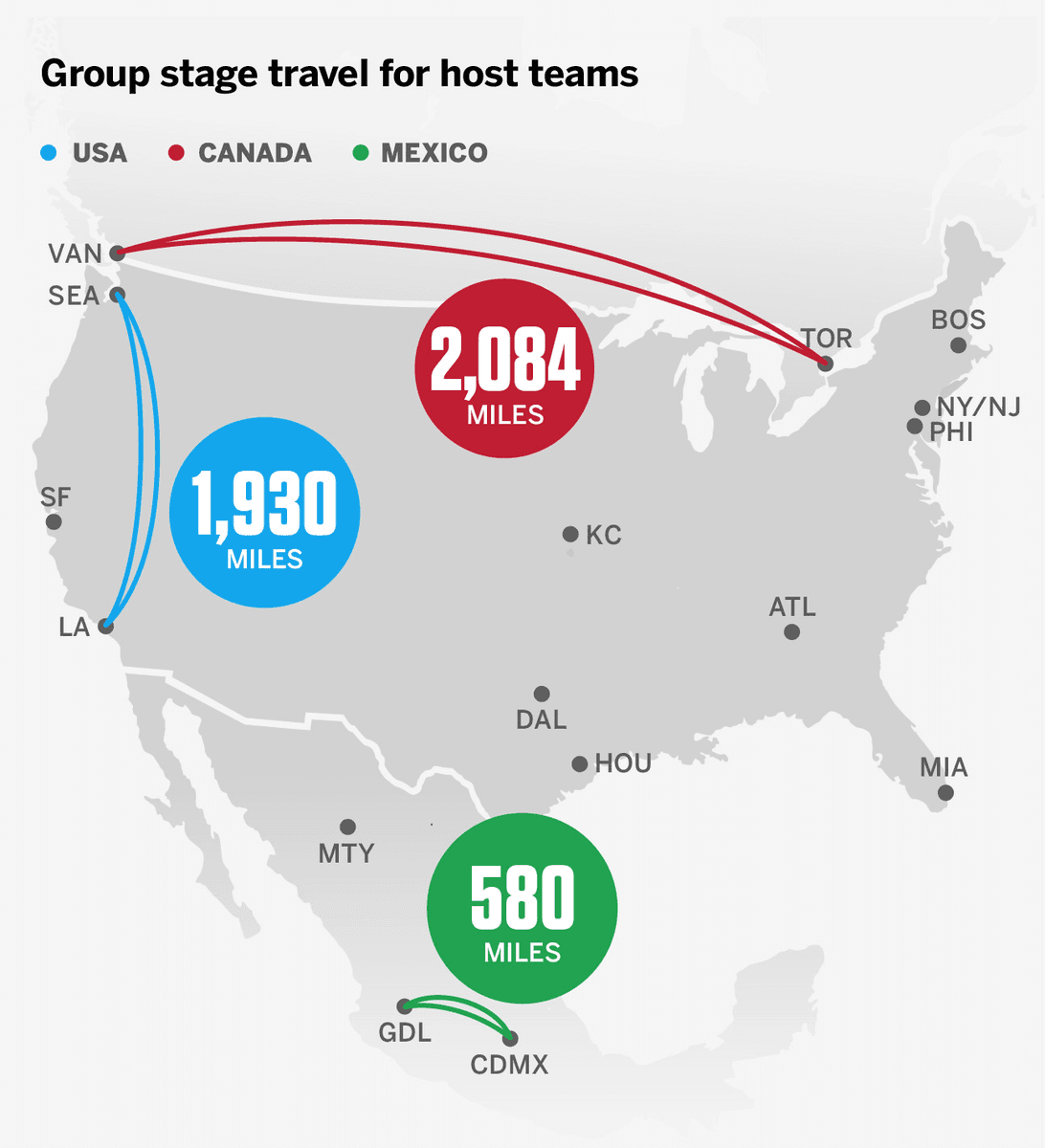
Beyond tournament mechanics lies a brutal geographical reality: the logistical nightmare of co-hosting across three vast North American nations.
Flying thousands of miles across time zones, shifting between tropical humidity and high-altitude chill—the physical toll exacted upon the squads has no precedent in modern football.
After ninety minutes of combat, players are ushered onto aircraft cabin pressurized air, circadian rhythms wrecked, muscles locking up in transit.
To sustain peak form under these conditions borders on biological impossibility. By the time two teams walk out for the final, how many thousands of miles will they have traversed? One dreads the spectacle of football’s natural exuberance suffocated beneath the dead weight of punishing itineraries.
Who Truly Laughs? The Protagonists Left Behind
Multiply the matches; inflate the content; maximize the digital engagement.
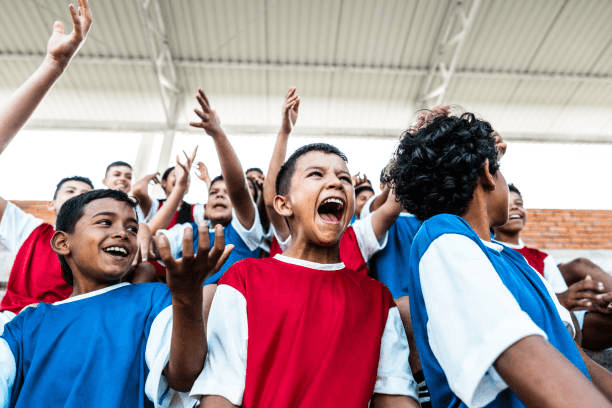
Meanwhile, ticket prices skyrocket into the stratosphere, leaving ordinary supporters priced out of the stands, unable to share the communal ecstasy of their ancestors.
One is left to wonder: have the players on the grass and the faithful in the terraces become interchangeable cogs in an indifferent corporate machine?
Yet it is too simplistic to dismiss this solely as institutional greed.
Behind FIFA’s calculated crusade lies an ideological ambition: to democratize football to the furthest corners of the globe, elevating it into humanity’s singular universal language.
If this distorted inflation is merely the inevitable, clumsy price of global evolution, should we resign ourselves to it?
Beyond the Labyrinth: What Future Do We Truly Seek?
That is precisely why we must never cease asking the difficult questions.
Is this trajectory leading us toward true enlightenment, or spiritual ruin?
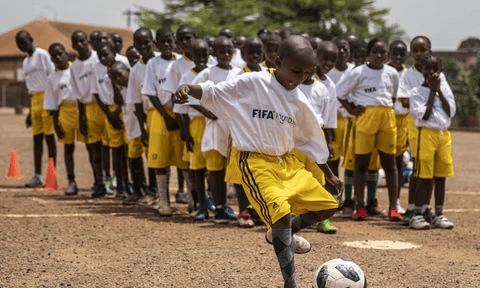
At the end of FIFA’s grand expansion, will we still find that incandescent passion that gripped us as children kicking a scuffed ball in an alleyway—that sacred shiver when a genius produces an unscripted miracle?
If the final destination is merely a maximized balance sheet, then football has suffered a slow, quiet death.
Commercial homogenization risks stripping the game of its mystique and turning it into another commodified streaming spectacle. That is what we must fear most: that the once-in-a-lifetime wonder of the World Cup dissolves into the background noise of 104 routine broadcasts.
In 2026, we enter this labyrinth.
Will FIFA's ambition deliver a shared world of wonder, or merely an empty cathedral of consumerism?
The answer will be written not in boardroom press releases, but in the sweat of the players on the turf. As Fantaholics, we can only pray that beyond the balance sheets and algorithms, a trace of football's ancient, defiant magic still survives.
Share this story