
PARTNERS
Japanese Craftsmanship Anchoring Global Football: The Fanatical Geniuses Who Chose Mizuno Over Millions
Across football's vast and storied history, there lie strange, breathtaking episodes that never find their way into record books or tactical anthologies.
Lisbon, Portugal, in the mid-2000s.
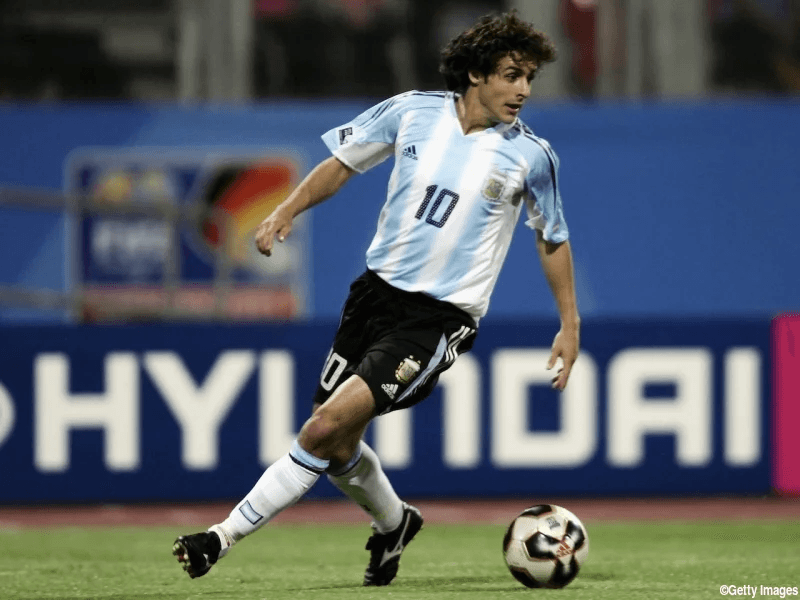
Draped in the crimson of SL Benfica, a playmaker dictated the rhythm of the pitch with effortless grace.
Pablo Aimar.

He was the Argentine jewel whom Diego Maradona famously declared "the only player I would pay money to watch," and the solitary idol whose poster a young Lionel Messi pinned to his childhood bedroom wall.
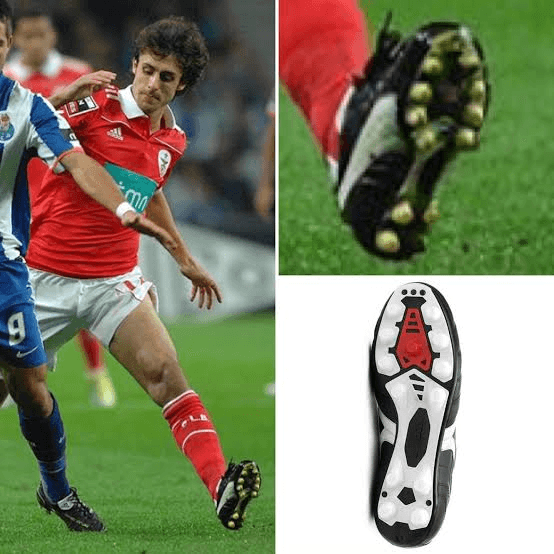
On his feet gleamed the boots of the German sportswear giant, PUMA.
As a global superstar, Aimar was tied to the brand by a lucrative multi-million endorsement contract, legally obliging him to showcase their iconic white Formstrip across the world's televised pitches.
Yet on one matchday, a pitchside photographer captured a high-resolution close-up that sent ripples through the industry.
The boots indeed bore PUMA’s leaping cat and stripe. But the upper's delicate wave stitching, the tapered anatomical toe-box, and the seamless silhouette of the heel counter belonged to an entirely different beast.
They were forged in Osaka, Japan.
They were the Mizuno Morelia.

Breach of contract, staggering financial penalties, and catastrophic legal warfare. Risking consequences far too perilous for any modern professional, Aimar chose to camouflage his boots—meticulously pasting PUMA logos directly over the leather of his Morelias—just so he could step onto the pitch in the footwear he trusted.
Why did one of the game's supreme purists shun a fortune in corporate gold to place his soul in a boot crafted on an island in the Far East?
Because here lies a sublime narrative: an intersection where commercial hyper-capitalism meets its match, defeated by the unshakeable bond between Japanese master craftsmanship and an artist's purest sensory touch.
The Left Foot That Hoisted the Ballon d'Or: The Day Rivaldo Brought the World to Its Knees
Trusting the raw intuition of one’s feet above the arithmetic of commerce.
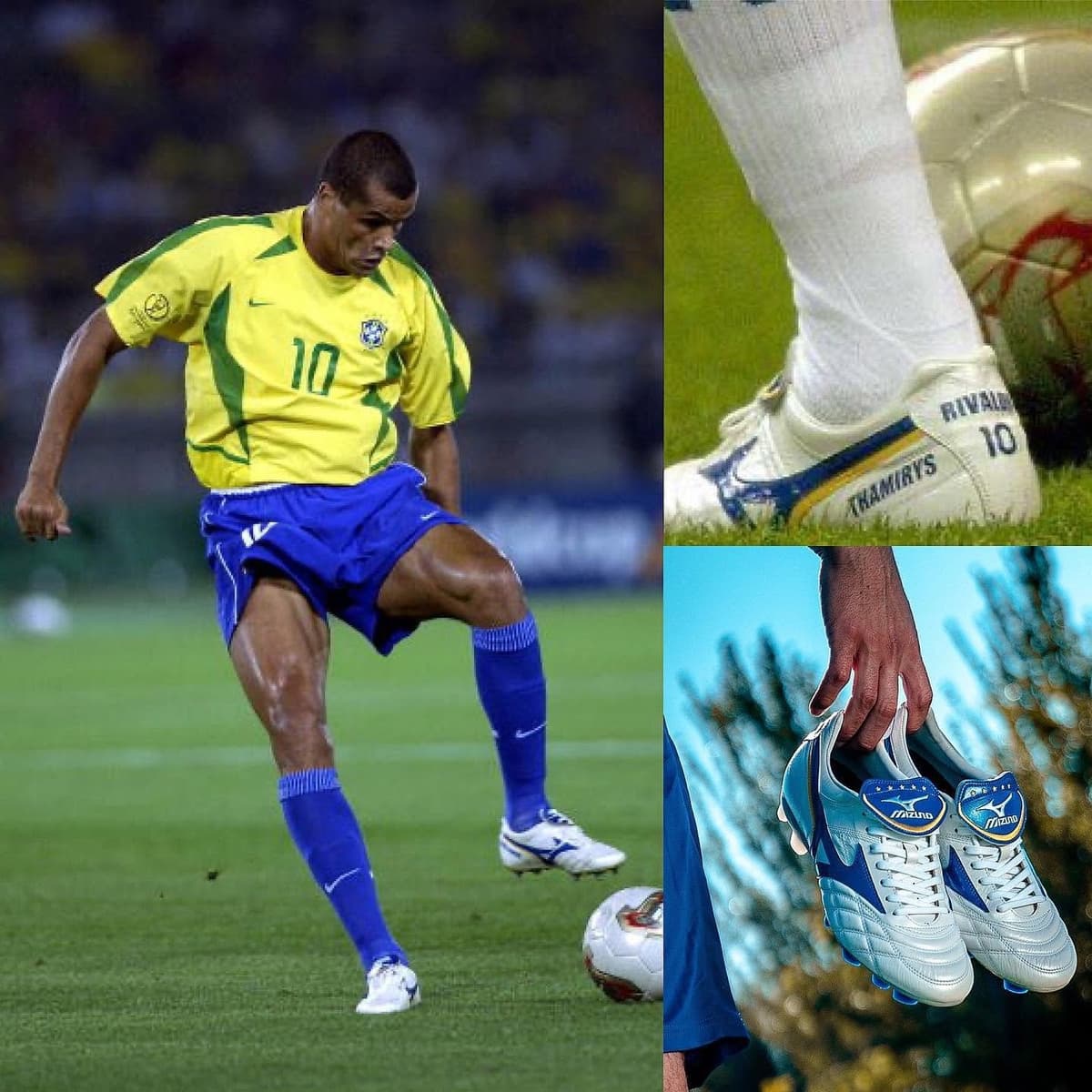
Aimar was hardly alone in this defiant, uncompromising stubbornness.
Wind the clock back to 1999.
Under the electric sky of the Camp Nou, an overhead bicycle kick tore through the night with physics-defying ferocity.
Capping a breathtaking hat-trick to seal victory and claim that year’s Ballon d'Or as the undisputed best footballer on the planet, Brazil’s immortal sorcerer: Rivaldo.
In an era when Nike poured astronomical sums into the Seleção and Adidas dominated Europe's elite clubs, the man reigning supreme atop world football wore boots bearing the golden RunBird emblem of Mizuno.
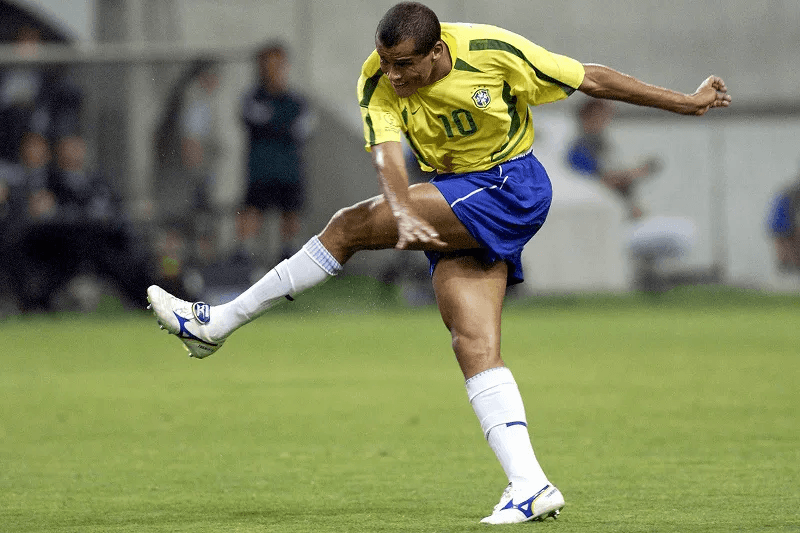
Through his 1999 Ballon d'Or coronation, through countless miracles orchestrated in the Blaugrana shirt, and through that fateful summer in 2002 when Brazil conquered their fifth World Cup in Yokohama, Rivaldo's lethal left foot was wedded to Mizuno’s Morelia and the bespoke Wave Cup developed specifically for his biomechanics.
For South American fantasistas forged on dust and cobblestones, honing their gifts barefoot, the sensation of the sole is their very lifeline. The millimetric elasticity when leather kisses the ball; the magnetic cushioning on the instep; the raw tactile intimacy with the turf upon planting.
"Between my foot and the ball, I will permit nothing superfluous."
While Western sportswear giants locked up superstars through marketing blitzes and astronomical retainers, true geniuses like Rivaldo and Aimar refused to be reduced to corporate billboards. They demanded an instrument capable of liberating their genius at 100 percent fidelity. It was Mizuno of Japan that answered their uncompromising ego with perfection.
The 24-Hour Lasting Obsession: The Philosophy of the Bare Foot in Hyogo
Why have Mizuno boots held such an intoxicating, almost cult-like spell over the greatest footballers on Earth?
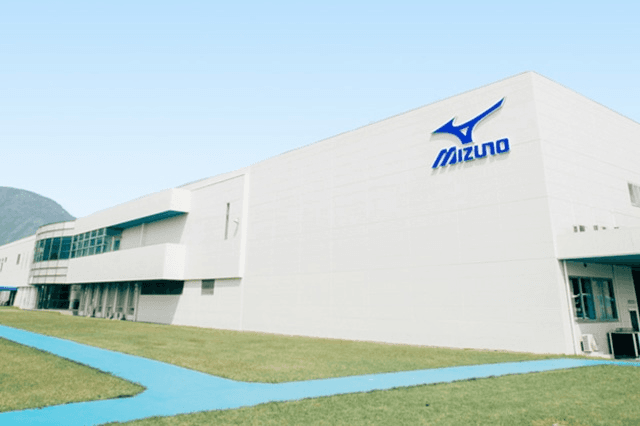
The answer is not found beneath the floodlights of the San Siro or the Bernabéu, but nestled in the quiet, forested hills of Shiso City in Hyogo Prefecture, Japan: the Mizuno Yamasaki RunBird Factory.
This is the sacred sanctuary of "Made in Japan," revered by purists across the globe.
The modern boot manufacturing industry has undergone a radical transformation. Mass-market shelves are inundated by synthetic knits, petroleum plastics, and machine-pressed models churned out in twenty minutes flat. In essence, it is an era that forces the human foot to conform painfully to the rigid geometry of the shoe.
Mizuno's doctrine stands in complete defiance of this trend.
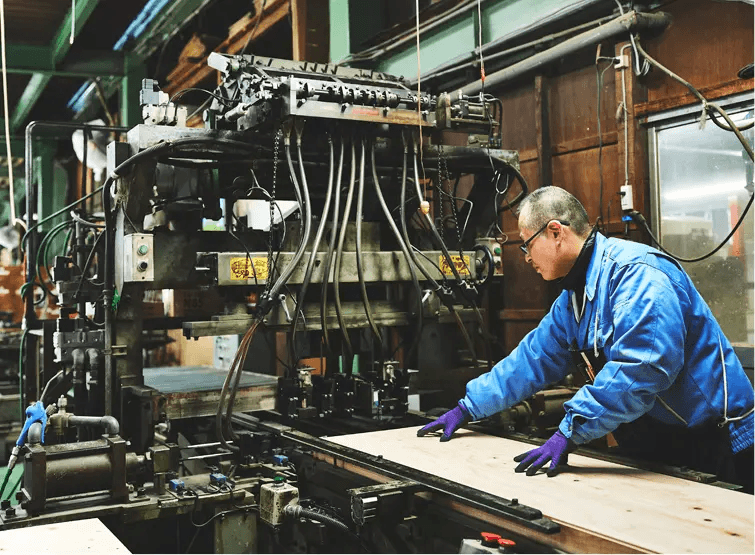
Since its genesis in 1985, the Morelia has remained devoted to an inviolable trinity: lightweight construction, supple flexibility, and an uncompromised "barefoot feel." Its lifeblood is premium Scotchgard kangaroo leather, individually hand-selected by master artisans.
And above all, there is a manufacturing step so demanding, no rival has dared to replicate it:
The lasting process.
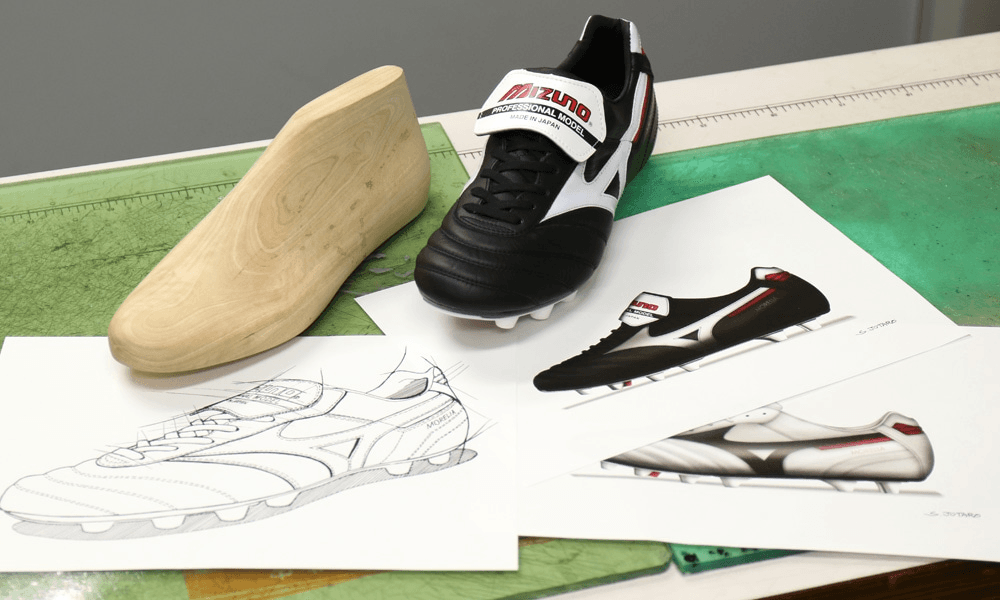
While standard mass-produced boots are pulled over a wooden last and heat-pressed for a mere twenty to thirty minutes before being whisked onto the conveyor, the Japan-crafted Morelia is left to rest on the wooden last for a full twenty-four hours.
Natural leather is a living entity. Stretch it violently and glue it in haste, and the fibers will inexorably recoil, producing microscopic warping. Mizuno’s craftsmen wait an entire day, allowing the leather to breathe, settle, and permanently imprint the delicate contours and arches of the human foot into its memory.
"The moment you lace them up, you forget you are wearing boots at all."
That glove-like fit celebrated by the world's elite is born of this gloriously inefficient artisan dedication. The secret that Pablo Aimar refused to surrender—even under threat of financial catastrophe—was this uncompromising Japanese devotion down to the tenth of a millimeter.
From the Curva Nord to the Côte d'Azur: Kits and the Modern Renaissance
The unshakeable trust forged at ground level has now expanded onto European football’s grandest visual canvas: club kits.
Surveying the European stage in recent years, a distinct aesthetic shift becomes unmistakable.
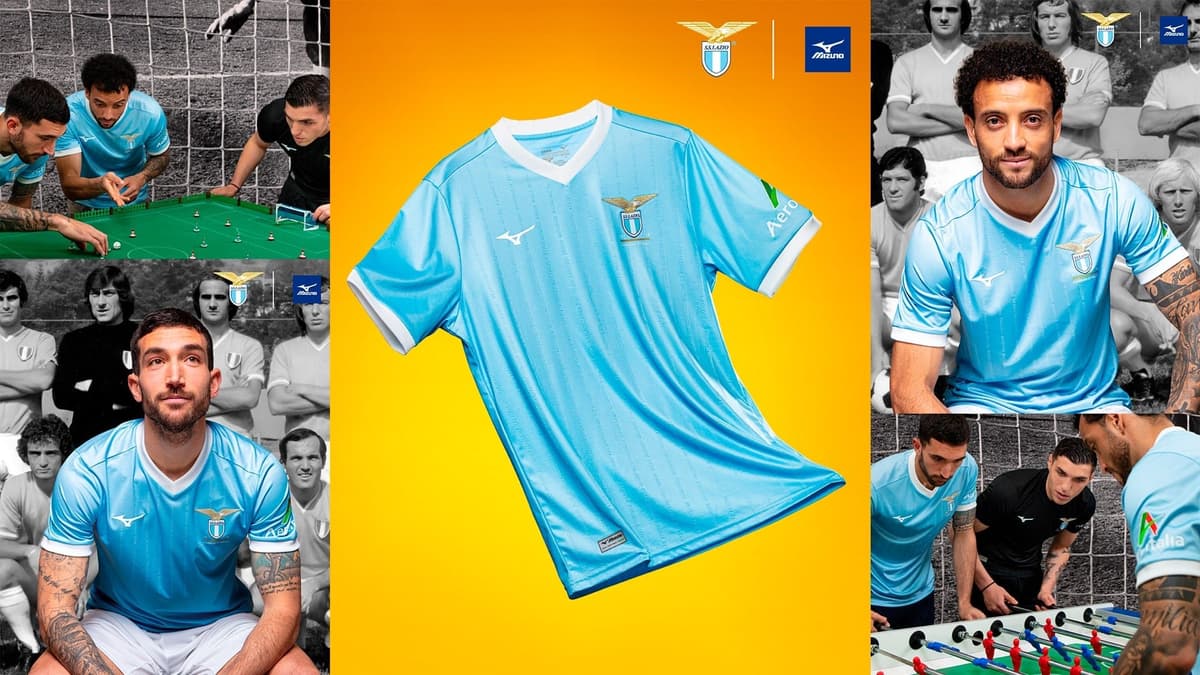
In Italy's capital, the historic giant of Serie A: SS Lazio.
Partnering with Mizuno from 2022, Lazio’s shirts—subtly weaving the club’s iconic eagle (Aquila) into sophisticated geometric motifs—were lauded by Italian tifosi as some of the most breathtaking kits seen in modern Calcio.
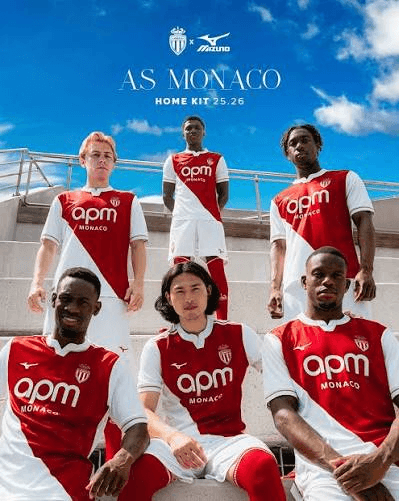
Beginning in 2025, French Ligue 1 powerhouse AS Monaco entered a comprehensive five-year partnership, naming Mizuno their official technical supplier.
In Germany's Bundesliga, traditional bastions like FC Augsburg and VfL Bochum take the pitch proudly clad in the RunBird.
At a time when global mega-brands churn out generic catalog templates across dozens of clubs with mere palette swaps, Mizuno’s approach remains profoundly bespoke.
They immerse themselves in each club’s centennial lore, the identity of the ultras, and the civic elegance of each city, crafting each kit as if tailoring haute couture.
The artisan philosophy that conquered the feet of the world has now evolved into armor that protects the cultural soul of European football.
And on the pitch, a new lineage of stars is taking notice.
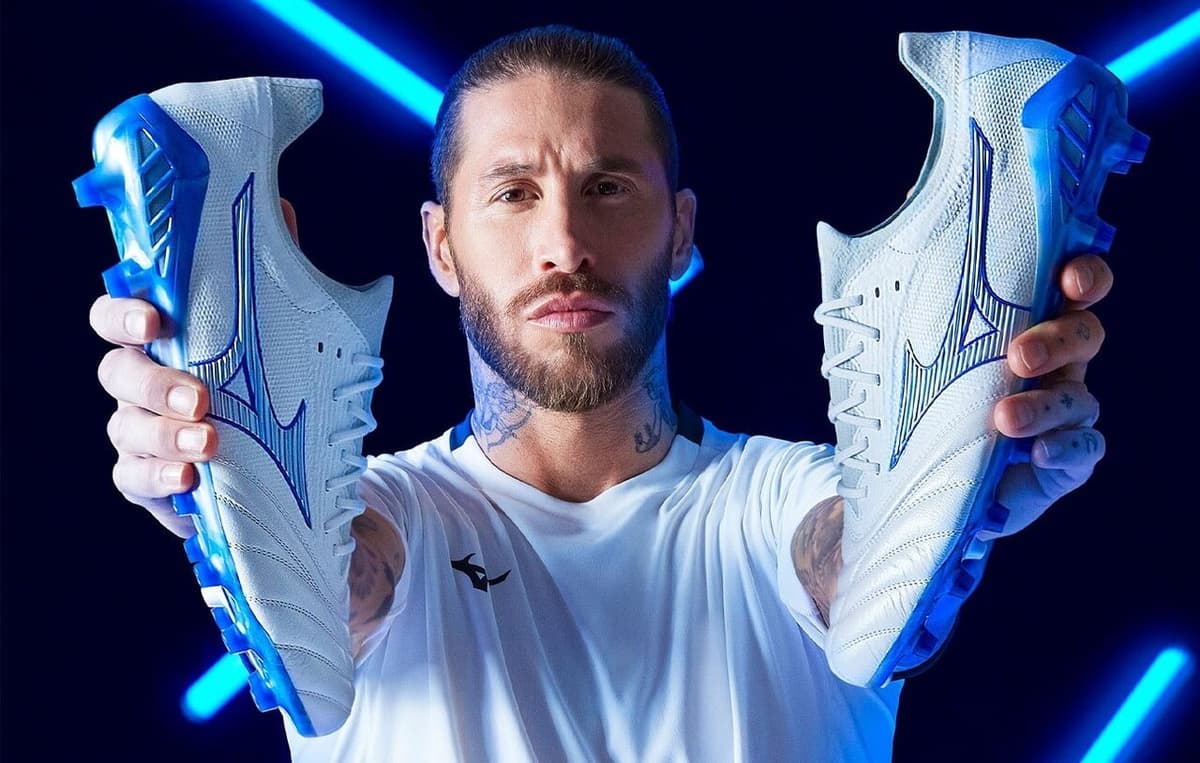
Sergio Ramos, long the iconic face of Nike and a titan who lifted every major honor with Real Madrid and Spain, made the seismic switch to become Mizuno’s global ambassador in 2022.

Manchester United’s Mason Mount followed suit.
And in 2025, Portugal’s sublime creative prodigy João Félix parted ways with Adidas, choosing Mizuno’s cutting-edge "MIZUNO α" as the ultimate instrument for his craft.
When battle-hardened superstars, having experienced every marketing circus the corporate giants have to offer, reach the pinnacle of their maturity, they strip away the illusions. They seek only the purest extension of their physical anatomy. And invariably, they arrive at Mizuno.
Ichiro's Glove, Carl Lewis's Gale: A Century of Pride Beyond the Pitch
This fanatical reverence for craft is by no means confined to the borders of football.
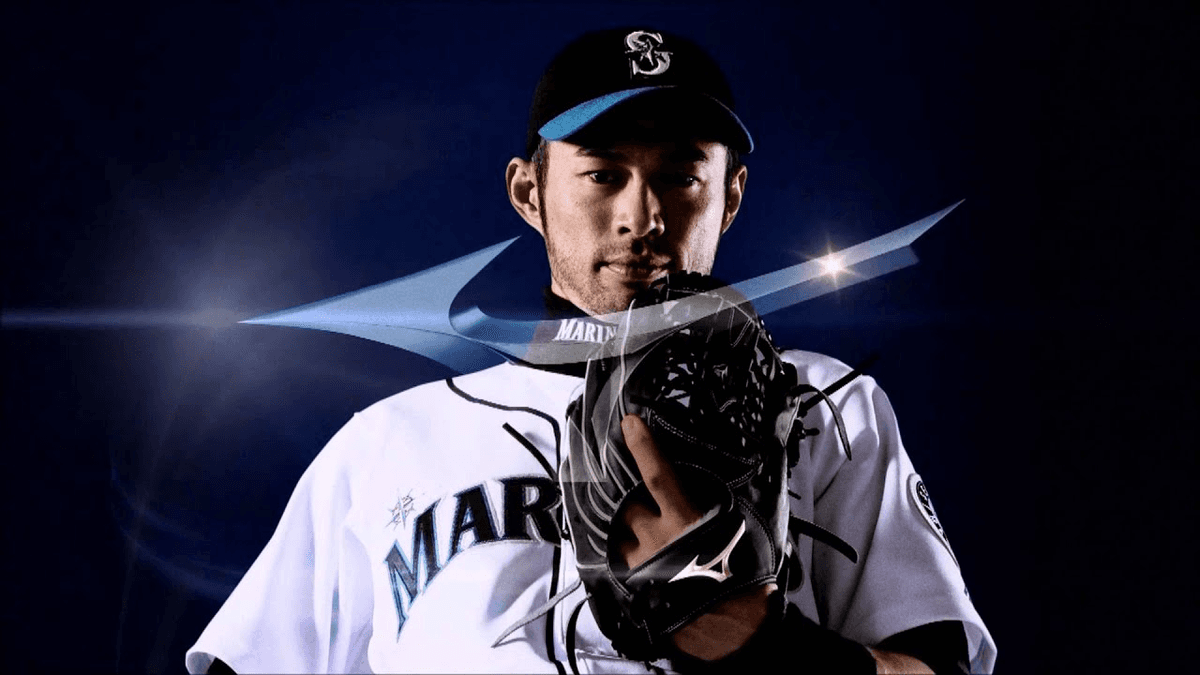
120 years have passed since founder Rihachi Mizuno opened a modest sundries shop in Osaka named Mizuno Brothers in 1906. Ever since, Mizuno's history has been written as an extension of the limbs of history's greatest athletes, helping them transcend human limits.
Consider Ichiro Suzuki, who shattered every major league hitting record in North America. The leather glove he treated as an inseparable part of his body throughout his legendary career was handcrafted by Mizuno's legendary master craftsman, Nobuyoshi Tsubota—carving out millimeter-thin layers of leather to achieve flawless perfection.
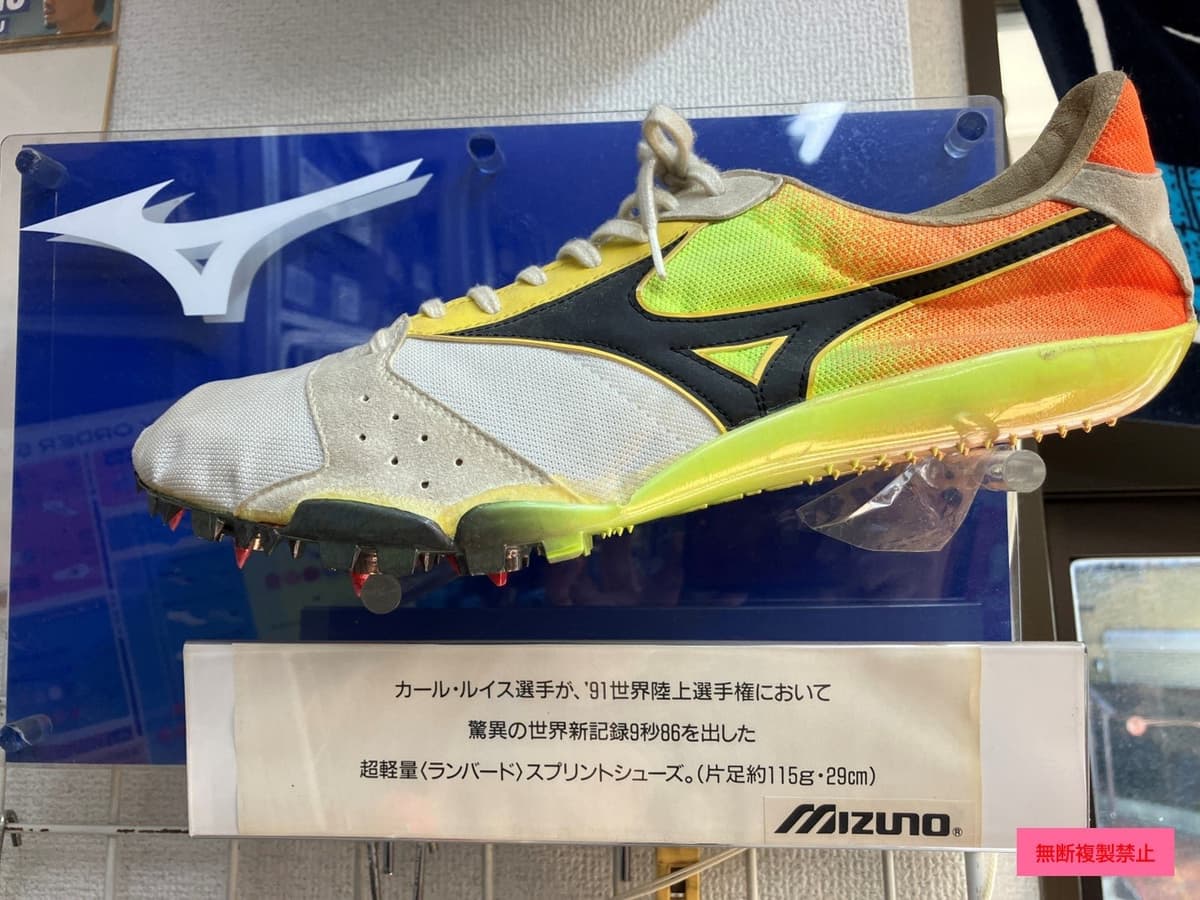
Or that unforgettable night at Tokyo's National Stadium during the 1991 World Athletics Championships, when Carl Lewis clocked a world record 9.86 seconds in the 100 meters. The blue spikes cutting through the Tokyo night air were engineered and hand-built by Mizuno.
Baseball, athletics, swimming, skiing, golf. Across every arena of human endeavor, when athletes face unbearable pressure at the defining crossroads of their lives, they entrust their fates to the silent dedication and skill of Japan's unsung craftsmen.
Anyone with immense marketing coffers can buy celebrity endorsements. But to build a tool so sublime that an artist will risk millions in fines just to wear it undercover—that demands a century of heritage and an almost sacred madness of craftsmanship.
That quiet secret Pablo Aimar kept tucked away on his feet in Lisbon was more than a technical preference.
It was the ultimate testament to the moment Japanese sincerity and the soul of Monozukuri shone with their purest, most dazzling light on the world stage.
Popular this week
7 DAYS
01選手物語
The Japanese Philosophy Quietly Anchoring Michael Olise’s Genius
Share this story



CommentsComing soon
As someone who shares the story, we'd love to hear your words.