
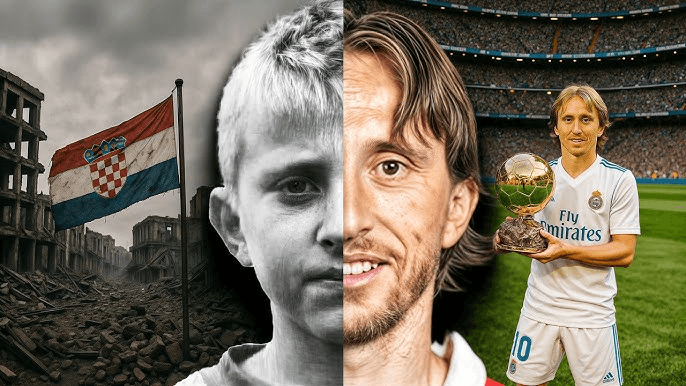
OFF-PITCH
The Wellspring of Luka Modrić’s Resilience: A Grandfather’s Murder, Stolen Dignity, and a Silent Prayer for Peace
On the pitch, he moves like a sorcerer in command of invisible currents.
The sovereign arc of his trivela, the delicate swivel of the hips that steals seconds from charging opponents, and that untamed mane of hair that never seems out of place.
Watching Luka Modrić is an encounter with a piece of living art, sculpted with consummate refinement.
Yet behind this celestial grace lies an origin story drenched in mud, blood, and the pungent stench of gunpowder. How many truly perceive the harrowing scars woven into his artistry?
Even as he approaches his forties, he continues to orchestrate contests at the highest summit of world football.
What propels him across the grass is not a mundane appetite for trophies.
It is a quiet, incandescent vow: a mission to reclaim the stolen dignity of his bloodline.
Reflecting upon the intimate testimony he shared with Corriere della Sera, we explore the tragedy of a frightened boy in the mountains and the kingdom of royal pride that arose from those ashes.
1. From Luka to Luka: The Boy Who Herded Goats on the Mountain
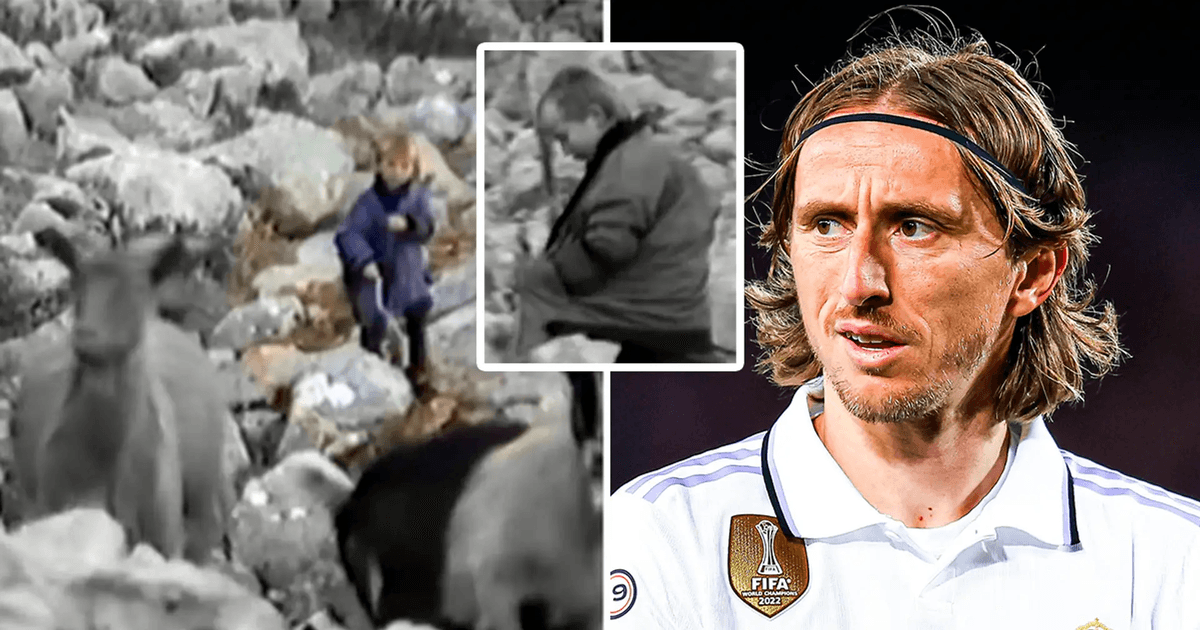
Amid the desolate, windswept peaks of Croatia's Velebit massif.
Upon those exposed, unforgiving limestone slopes, a young boy grew up.
There were no manicured pitches, no branded boots.
There was only the harsh wilderness of nature, a devoted family, and livestock.
He was christened 'Luka', inheriting the name of his beloved grandfather.
Though hailed today as the pinnacle of modern football, his roots remain astonishingly pastoral, smelling of earth, stone, and mountain air.
“I am deeply proud to carry the very same name as my grandfather, Luka.
He taught me how to shovel snow, how to stack bales of hay, and how to drive the cattle. Surrounded by animals, I loved chasing after the goats, tugging at their tails, running across the rough earth. The wellspring of my football was forged right there in those hills.”
The balance required to chase stubborn goats down jagged scree.
The improvisation needed to tame a ball skittering across uneven rocks.
The architecture of his sublime technique was not drafted on pristine synthetic turf in an elite academy; it was carved into his sinews on the rocky mountain slopes alongside his grandfather.
2. December 1991: The Day Childhood Died
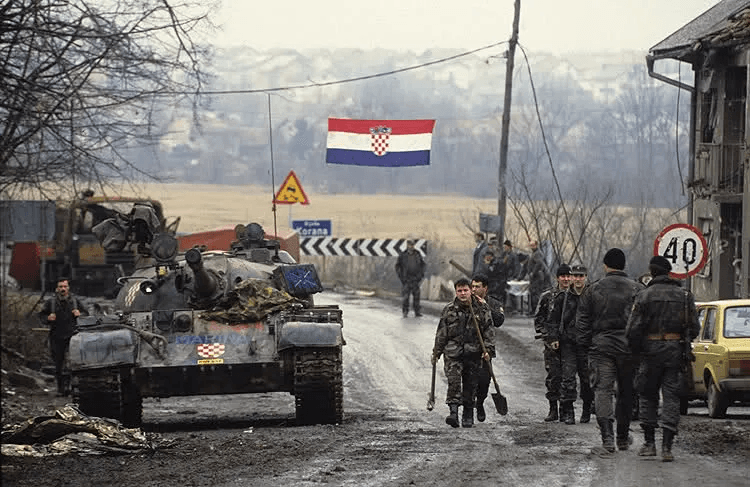
Yet that idyllic mountain life was severed with sudden, unimaginable savagery.
The Croatian War of Independence erupted.
Neighbors of yesterday became enemies overnight, and ordinary life collapsed into a warzone.
Then came December 18, 1991—a date etched forever into the soul of the Modrić family.
His grandfather set out into the cold morning to tend to his cattle, as he had done every day of his life. He never returned.
“One morning during the war, my grandfather walked out of the house and did not come back. When my family went searching for him, we found him lying on the roadside, riddled with bullets.
He was 66 years old. A gentle soul who had never harmed anyone in his entire existence. At his funeral, my father turned to me and said: ‘Son, go give your grandfather a final goodbye kiss.’
From that day until this very hour, I continue to ask myself: how could anyone commit such cruelty against a man whose only crime was kindness?”
For a six-year-old boy, death arrived with incomprehensible, crushing weight.
Why did a kind old shepherd have to be murdered?
That unanswered question remains lodged in Modrić’s heart like a rusted thorn, unhealed even after lifting the Ballon d'Or.
3. A Burned House and the Shadow of Minefields
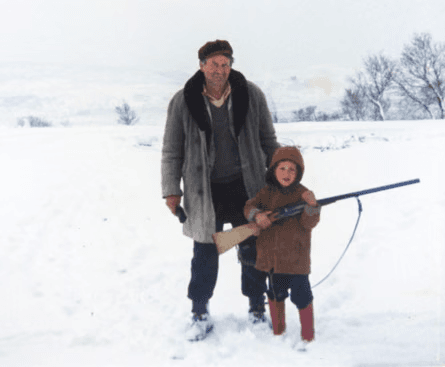
His grandfather’s death was merely the prelude to total exile.
Serbian paramilitaries set fire to their home, burning it to the ground. The Modrić family was driven into the night with nothing but the clothes on their backs.
They became refugees, crammed into dilapidated hotels in Zadar.
With electricity and running water flickering out amid falling shells, the young boy kicked a deflated ball across concrete parking lots.
It was not merely an ambition to become a professional; it was his sole sanctuary from the terrifying sirens and shattering explosions.
“After my grandfather was killed, our house was torched. We found ourselves stranded in the very center of a battlefield.
The surrounding lands were seeded with countless landmines. Later, the government declared that every mine had been cleared, but even today, danger signs warning of unexploded ordnance still stand among the trees.”
Living alongside death every waking hour.
That uncanny radar on the pitch—the sixth sense for impending danger and the refusal to back down against towering physical adversaries—was forged in this crucible of pure survival instinct.
4. No Need for a Museum: The Fight to Reclaim a Family’s Ruin
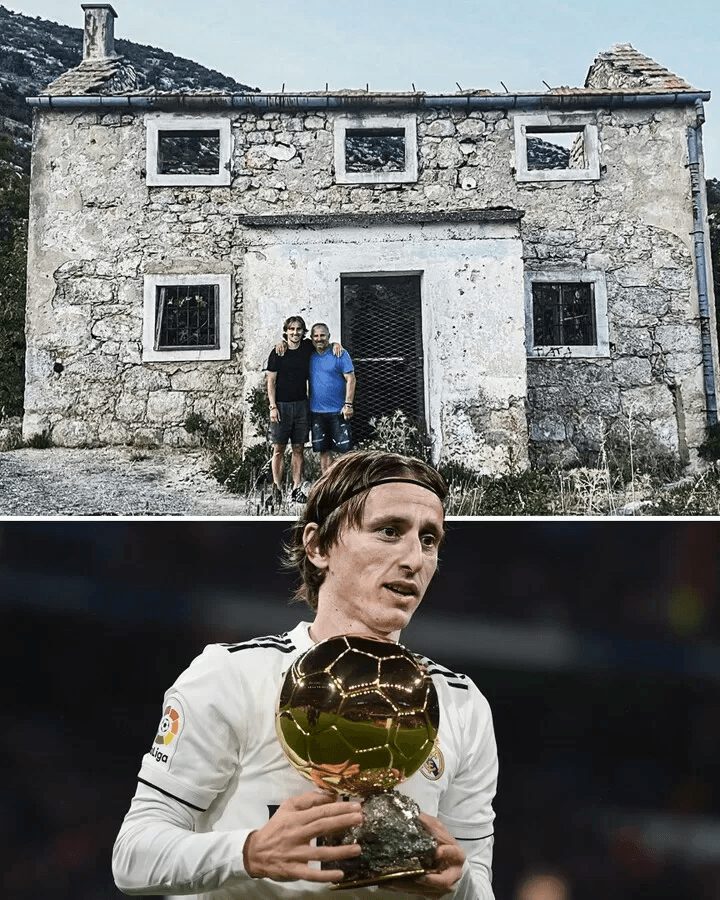
Today, the shell of Modrić’s childhood home stands as an abandoned ruin, designated as a national cultural monument.
Tourists pilgrimage there to take photographs, treating the crumbling stone as a commemorative sight. But how does Modrić himself look upon those ruins?
It is not the polished nostalgia of a wealthy superstar.
It is the fierce, resolute will to reclaim what was stolen from his blood.
“Today, that house is listed as cultural heritage. The structure is a roofless ruin, swallowed by thick brambles.
The authorities have expressed a wish to convert it into a museum, a memorial. But that is not what I want. I want to buy that house back myself. I want to restore the dignity that was stripped away from my family.”
He rejects the sterile voyeurism of a glass-encased monument.
For him, those stones are not a museum artifact; they are his home, the sanctuary where his grandfather’s memory lives.
To repurchase those ruins is to stitch together the severed thread of family history torn apart by war.
For the world’s greatest midfielder, this—and only this—represents true victory.
5. When the Ball Crosses Borders: What We Can Learn from His Grace
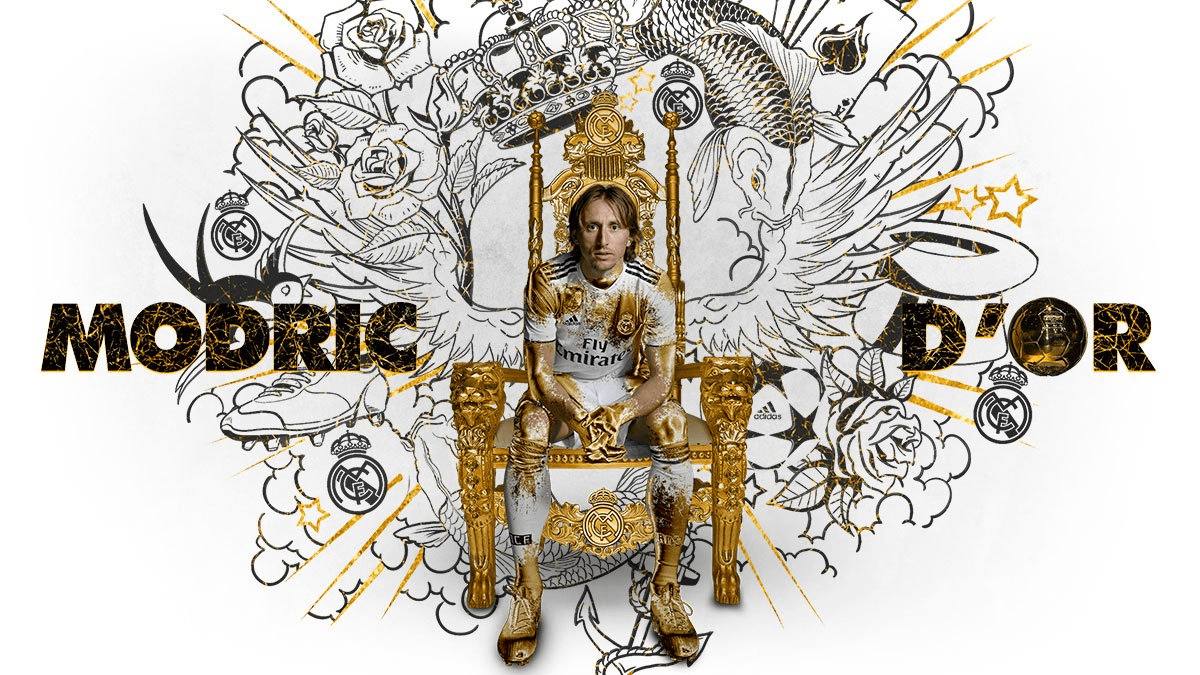
Whenever we watch Modrić play, a lump rises in our throats.
Seeing that diminutive frame confront physical giants, knocked to the grass only to rise without a murmur of complaint, we see an allegory for human endurance itself.
Yet we must never forget:
The tragedy he bore as a child is not an echo consigned to the history books.
In Ukraine, in Gaza, at this very hour, another young 'Luka' has just lost his grandfather, watched his home burn, and wanders through rubble searching for a safe patch of ground to kick a ball.
Football is a luxury that can flourish only where peace reigns.
Yet it remains a universal language capable of transcending borders, tongues, and faiths to unite broken hearts.
When Modrić strikes the ball with his outside of the boot and the world holds its breath at its breathtaking trajectory, we are granted a fleeting moment of respite from human cruelty.
And when we reflect upon the agony woven into that beauty, we are reminded of the sacred, fragile value of peace.
The greatness of an empire cannot be purchased with gold.
It springs only from the tenderness of those who know profound sorrow, and the indomitable soul that refuses to surrender its stolen pride.
Luka Modrić.
He is not merely an extraordinary footballer.
Every pass he carves through the evening air is a letter sent to his grandfather in heaven,
and a silent, burning prayer for peace upon this earth.
Popular this week
7 DAYS
01選手物語
The Japanese Philosophy Quietly Anchoring Michael Olise’s Genius
Share this story

CommentsComing soon
As someone who shares the story, we'd love to hear your words.