What Is the Ballon d'Or, Truly? Glory, Controversy, and the Anatomy of Football’s Sacred Orb
The Golden Sphere: Does Its Weight Lie in Numbers or in Mythology?
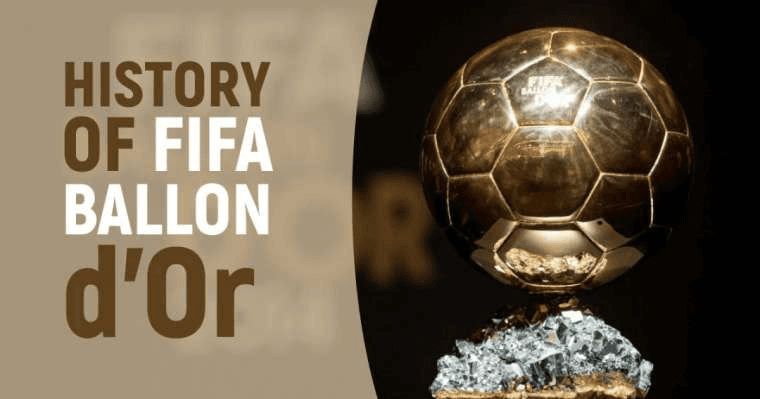
The Ballon d'Or stands unchallenged as the ultimate individual laurel in the sporting universe.
Around its gilded luster, generations of virtuosos have woven their childhood daydreams, while millions of partisans wage impassioned theological wars across the globe.
Yet how many among us genuinely comprehend how this consecrated sphere is awarded?
Why does one icon triumph while an equally heroic maestro is cast aside into oblivion?
Let us pull back the velvet curtain and examine what this coveted relic actually measures—and whether true footballing majesty can ever be captured by an arithmetic tally.
Chapter 1: The Genesis of the Golden Ball
-
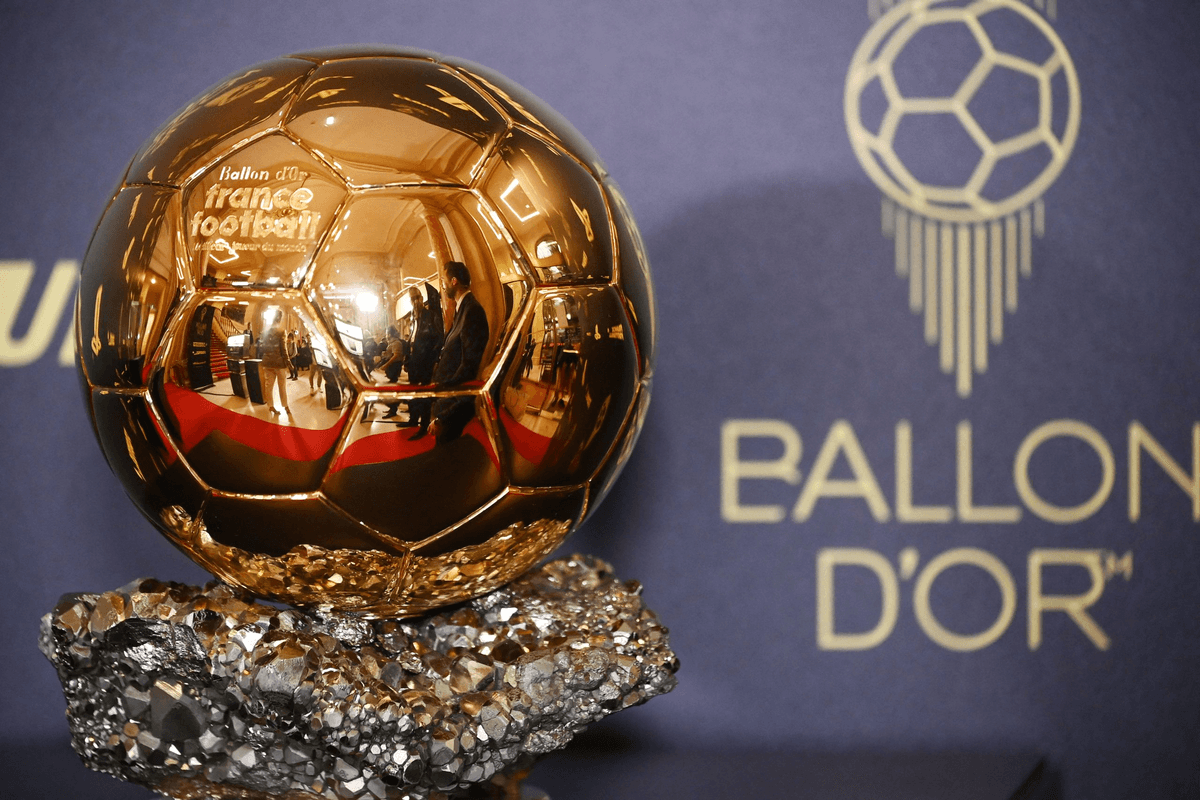
Founded in 1956 by the venerable French publication France Football
-
“Ballon d'Or” translates literally from the French as the “Golden Ball”
-
Restricted initially to European nationals, the award opened its gates to any player active in Europe in 1995, and to the entire globe in 2007
-
Merged with the FIFA World Player of the Year from 2010 to 2015, before breaking free and regaining its historic editorial independence in 2016
📜Inaugural Laureate: Sir Stanley Matthews (England, Blackpool)
Chapter 2: The Architecture of the Vote and Criteria of Greatness
-
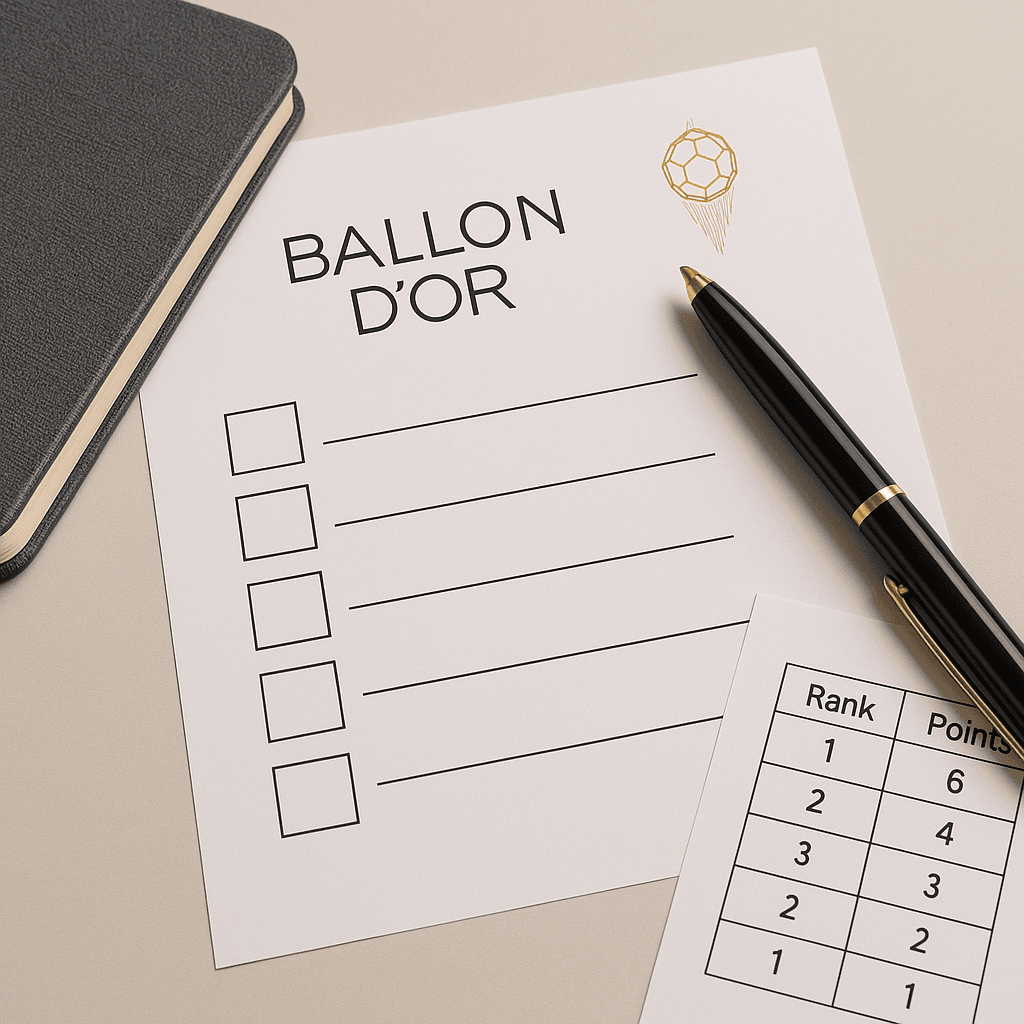
Voting is cast upon an official shortlist curated annually by the editorial board of France Football
-
Electorate: One distinguished sports journalist selected from each of FIFA’s top-ranked nations (curated to approximately 100 media representatives)
-
Balloting structure: Jurors assign a ranked ballot: 1st (6 pts), 2nd (4 pts), 3rd (3 pts), 4th (2 pts), 5th (1 pt)
The Three Pillars of Evaluation:
-
Individual performance and decisive, collective contributions over the competitive season
-
Class as a footballer: exemplary technique, individual brilliance, and fair play
-
A player’s overall career pedigree (a factor deliberately de-emphasised in recent reforms to prioritise current reality)
※ Since 2022, the evaluation window aligns strictly with the European club season rather than the calendar year.
🧠Crucial Distinction: Unlike FIFA’s “The Best”, the Ballon d'Or is entirely insulated from national team managers, captains, and online fan votes.
Chapter 3: The Tyranny of Preference: Truths of the Messi-Ronaldo Duopoly
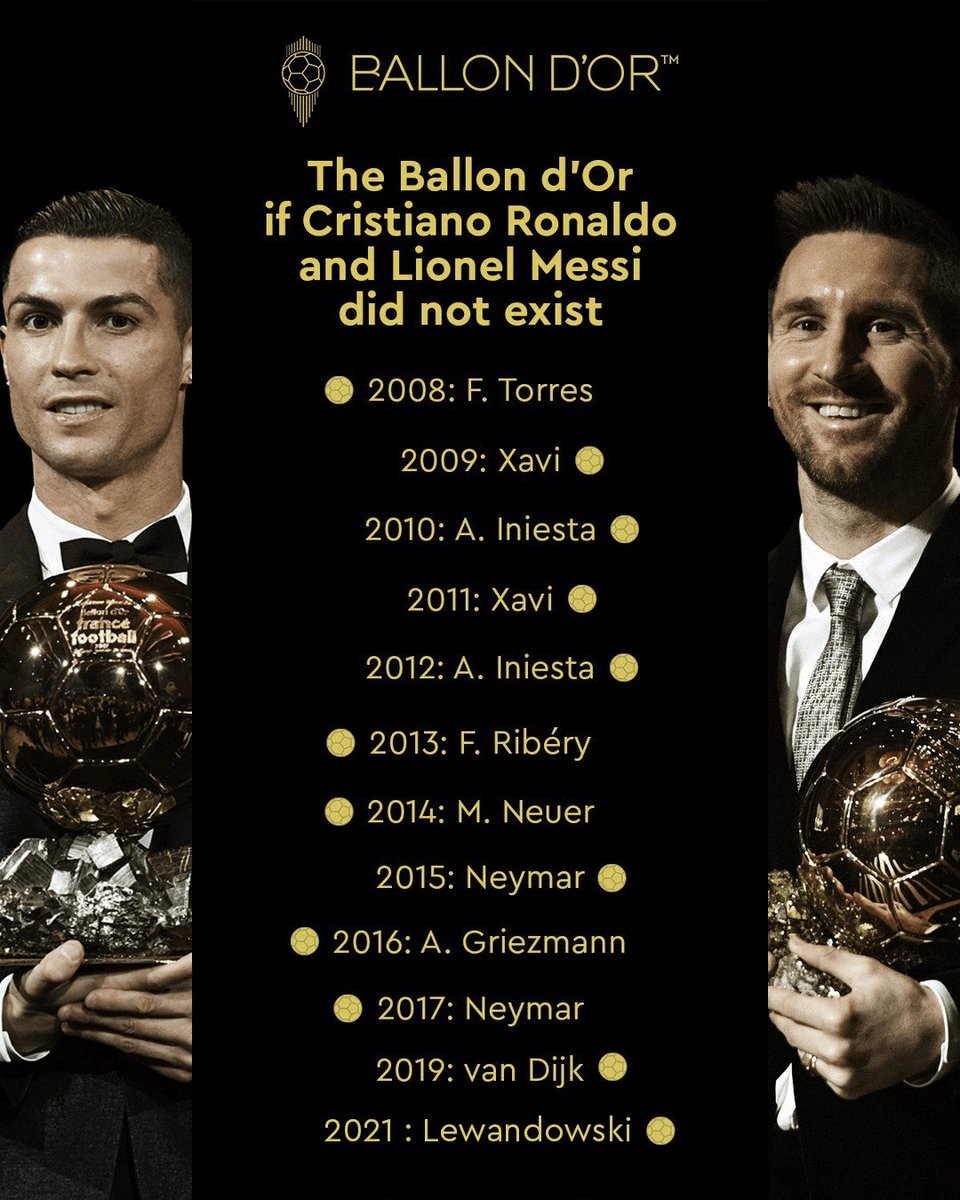
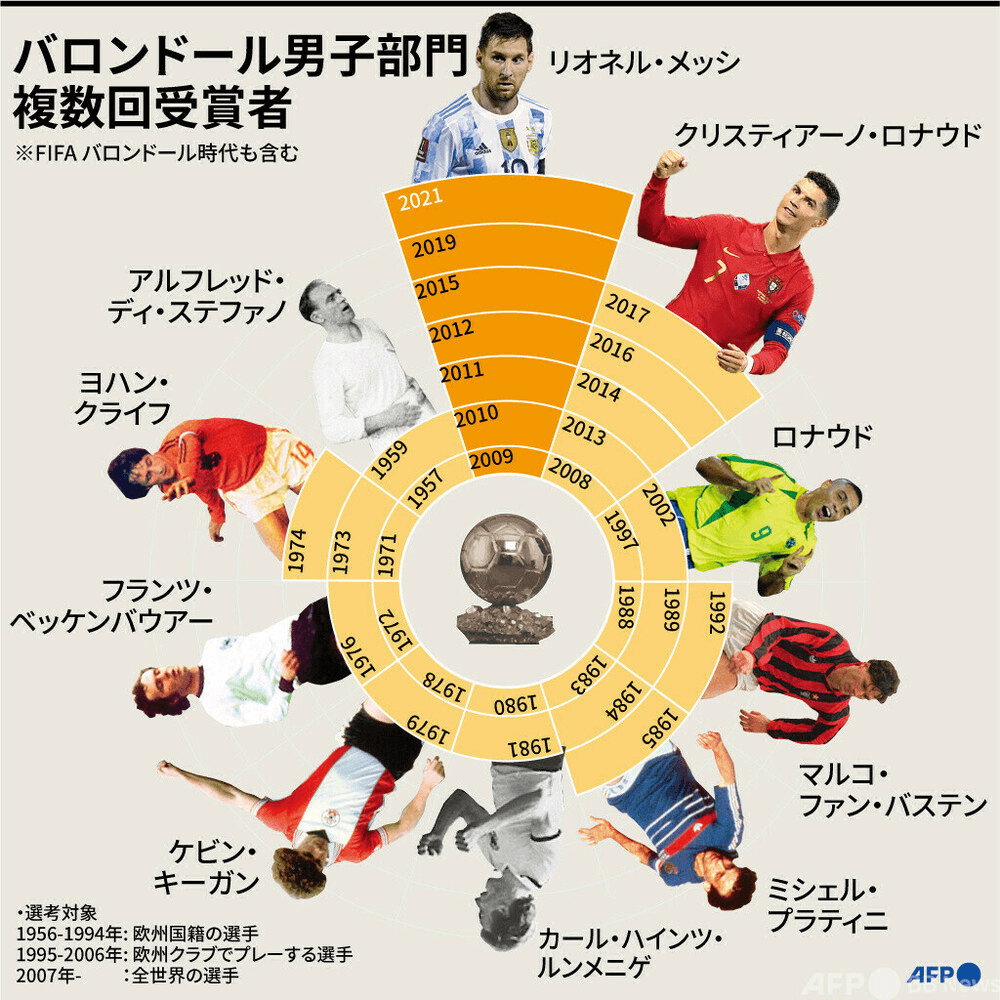
For an entire decade, from 2008 through 2017, Lionel Messi and Cristiano Ronaldo monopolised the pedestal in alternating coronation.
This unprecedented era brought an inescapable gravitational polarisation to the voting booth.
-
Even when their achievements were matched by others, the intense split in loyalty routinely extinguished the rightful claims of third candidates
-
Case in point: 2010, when Wesley Sneijder spearheaded Inter to a historic Treble and dragged the Netherlands to a World Cup final, only to be shut out of the final podium altogether
🤷The Dilemma: Electoral mechanics do not guarantee absolute justice. The sheer supernova brilliance of two titans inevitably eclipsed an entire generation of sublime craftsmen.
Chapter 4: The Injustices of the Ballot: A History of Acrimony and Snubs
Controversy has trailed the Ballon d'Or like a faithful shadow.
Because the vote represents the aesthetic subjectivity of human journalists, recurring grievances haunt its history:
-
Sensational narrative eclipsing pure silverware (e.g., Franck Ribéry’s treble with Bayern in 2013 yielding to Ronaldo’s sheer goal tally)
-
The institutional brand power of historic mega-clubs distorting international perception
-
A chronic, structural blindness toward goalkeepers and defenders (Fabio Cannavaro in 2006 remains the solitary defender crowned in modern memory; Lev Yashin in 1963 stands as the only keeper)
🎭The Political Element: It is an open secret in football corridors that sophisticated media relations and public relations campaigns orchestrated by elite clubs shape voter perception.
Chapter 5: Japan and the Ballon d'Or: From Nakata to Mitoma and Kubo
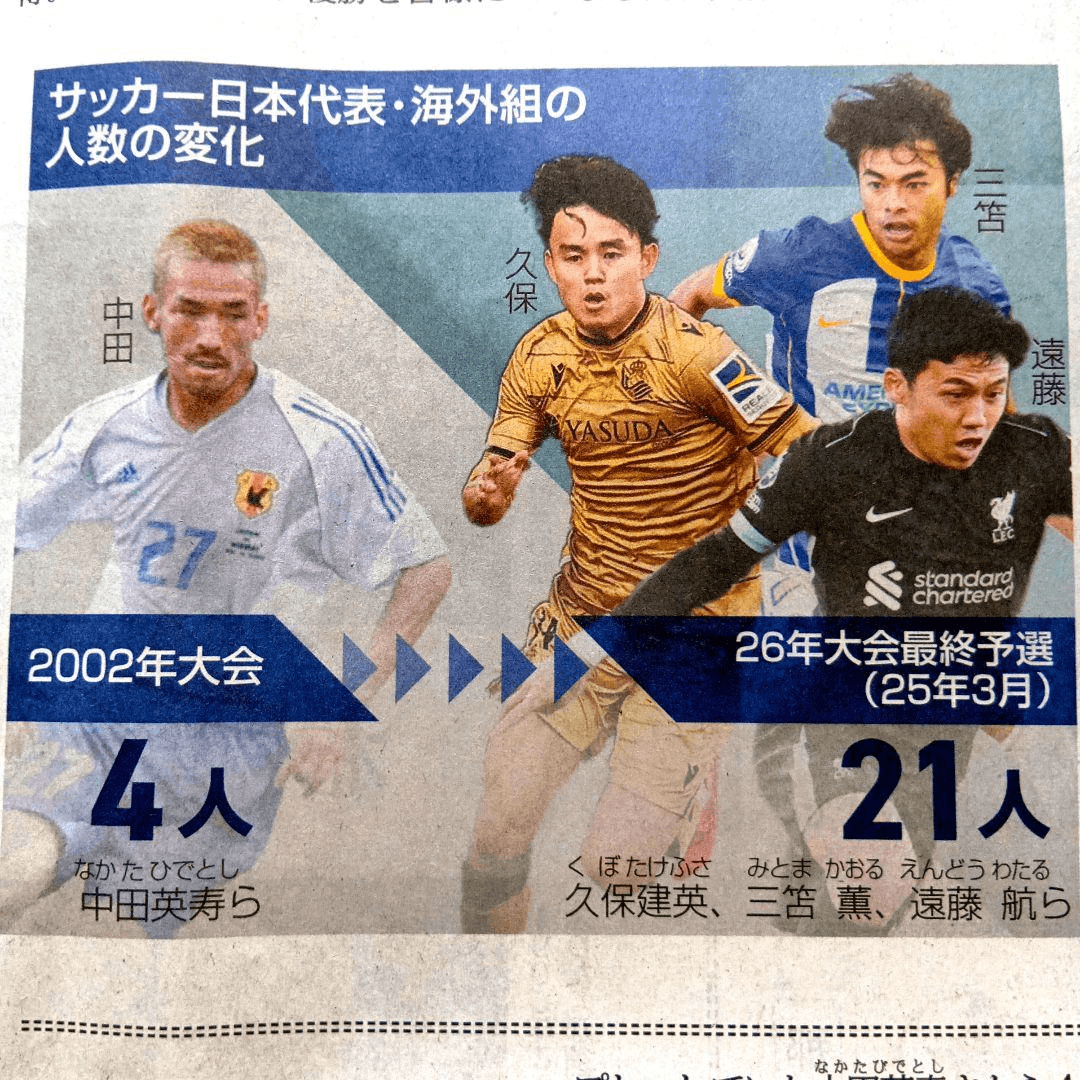
Historical Precedents:
-
Hidetoshi Nakata (Perugia / Roma): Nominated to the official shortlist in 1998 and 1999
-
Shinji Kagawa (Borussia Dortmund): Despite dictating Dortmund's Bundesliga title in 2011, shockingly omitted from the final 30
In the 2024–25 season, Kaoru Mitoma claimed the Premier League Goal of the Season award.
This was far more than athletic showmanship; it was an undeniable demonstration of aesthetic poetry before the global media apparatus.
Meanwhile, Takefusa Kubo has carved out a commanding status in La Liga with Real Sociedad, possessing every attribute required to command a rightful place on the shortlist.
Serving as the undisputed creative catalyst guiding his side into continental combat, Kubo's game balances cerebral utility with moments of breathtaking audacity.
While his style privileges organic substance over showy vanity, the tide of international appreciation is inexorably turning in his favour.
🌏The Modern Reality: The Premier League and La Liga command total media hegemony. Virtuosos who make the heart skip a beat, like Mitoma and Kubo, have the rare alchemy needed to sway international pens.
Chapter 6: Looking to the Horizon: Will an Asian Player Ever Hoist the Gold?
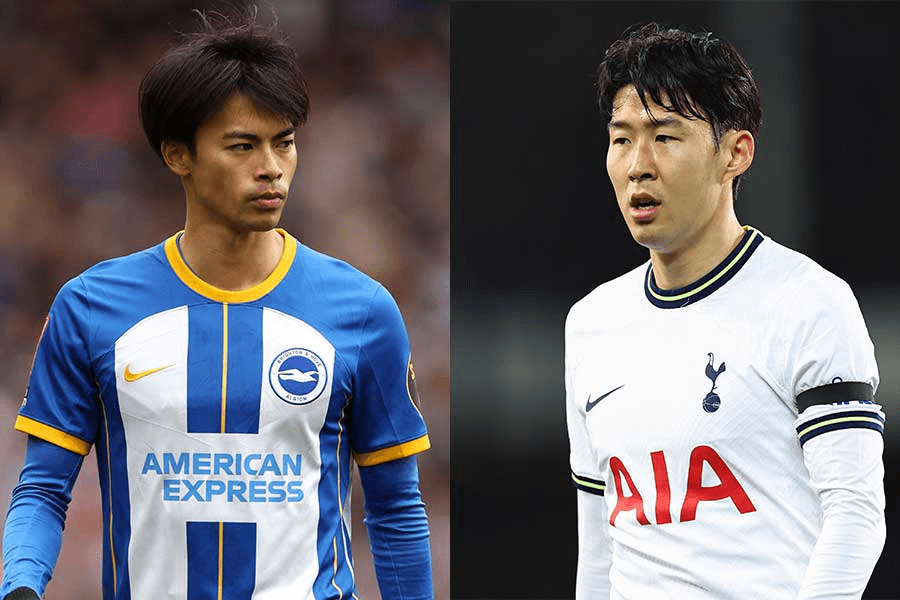
Once viewed as the exclusive inheritance of Europe and South America,
the Ballon d'Or's traditional geography is trembling before the modern rise of Asian football.
-
Son Heung-min (South Korea): Won the Premier League Golden Boot in 2022, securing 11th place in the voting
-
Takefusa Kubo: Consistently orchestrating masterclasses in Spain, his trajectory points toward the upper echelons of European recognition
-
Kaoru Mitoma: An electrifying maverick whose individual brilliance leaves indelible imprints on the English landscape
📈The Formula for History:
For an Asian footballer to claim the golden sphere, two non-negotiable conditions must align: unbroken dominance across Europe’s top-five leagues, compounded by an iconic, history-altering tournament run in the UEFA Champions League or the World Cup.
Yet that summit, once an impossible fantasy, is now an imminent, tangible horizon.
Epilogue: Why the Golden Orb Refuses to Release Its Grip on Our Souls
The criticisms will never subside.
Yet players continue to weep for it, and supporters continue to sacrifice sleep to debate its fate.
Perhaps the Ballon d'Or transcends cold athletic tallies: it interrogates the soul of a footballer's life.
Not merely trophies hoisted, but memories seared into the collective consciousness—moments of pure, untamed grace that unite adversaries in reverent silence.
Filtered through the fallible, poetic eyes of human writers, it offers no mathematical absolute.
And precisely because it lacks objective perfection, it will be argued over until the end of time.
That glittering orb is far more than bronze dipped in gold.
It is the final verdict on who shall be inscribed into the eternal scripture of football.
Appendix: The Historical Honours Board (Clubs and Nations)
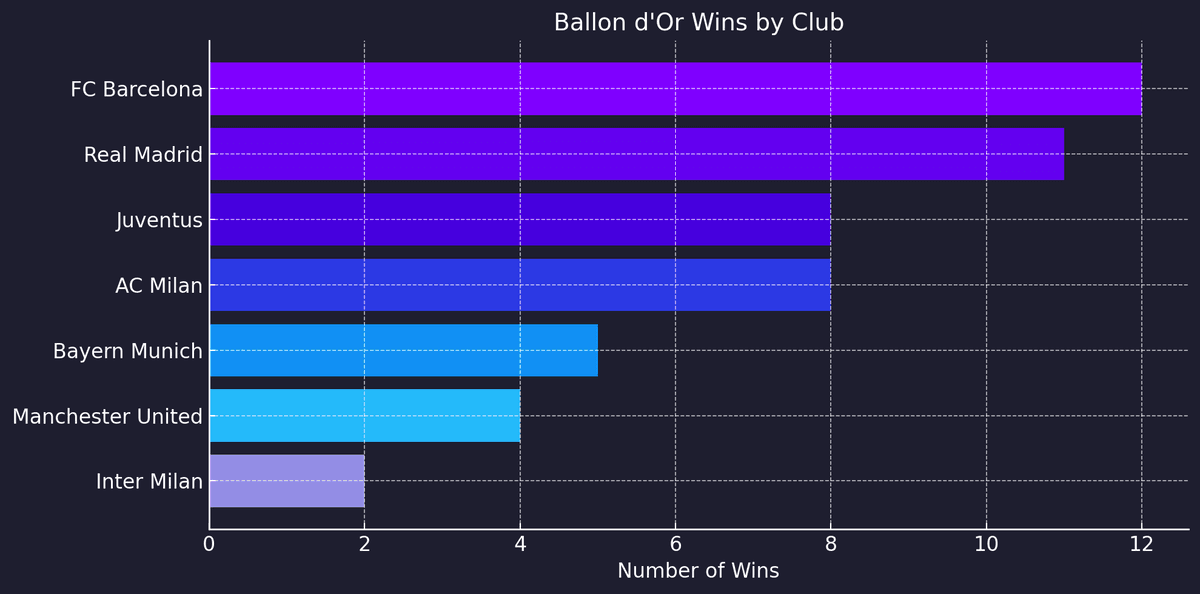
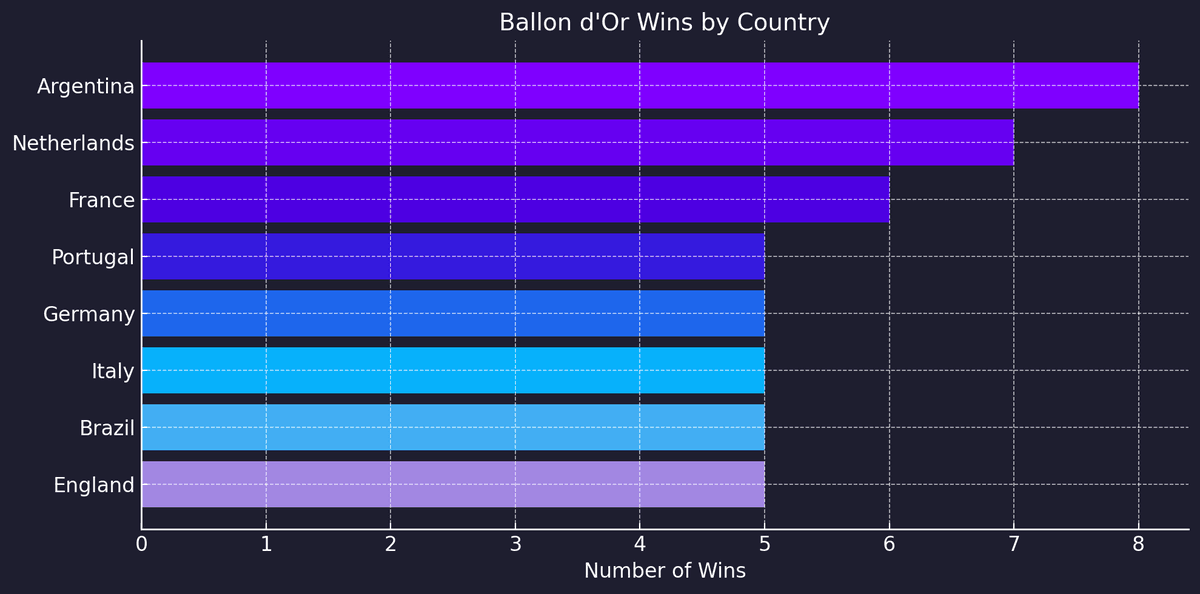
Contemplating these numbers laid bare,
one finds the modern assumption that the Premier League is the center of football history
interrogated by fascinating contradictions.
🏟 Honours by Club (Player's Club at Time of Award)
🏳 Honours by Nation (1956–2023)
Share this story