The World Cup Watched from the Dugout: When the Passions of Our Youth Put On Suits
On June 11, 2026, the World Cup in North America finally raised its curtain.
Forty-eight nations. One hundred and four matches.
The first tournament shared across three host nations.
A sweeping overhaul of the competition format.
An Americanized spectacle of modern sports entertainment.
Bitter controversies over astronomical ticket prices.
Geopolitical unease surrounding the participation of Iran.
Yet, carrying this heavy burden of complications, the tournament safely got underway.
For the next month and a half, boundless drama and unpredictable conclusions await us.
And through all the surrounding noise, the undisputed protagonists remain the players pouring their souls onto the pitch.
Yet the beauty of the World Cup has never belonged exclusively to what happens within the white lines.
With every tournament, there exists another spectacle, easily overlooked: a secret pleasure that lives outside the pitch.
It happens in those fleeting seconds when the broadcast camera cuts away to the dugout.
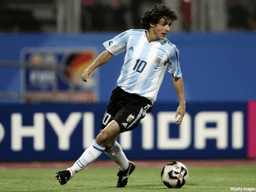
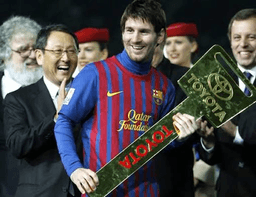
For any supporter who lost their heart to the football of the 2000s and 2010s, it is impossible not to let out a gasp of recognition. The legends who once illuminated the world in sweat-soaked shirts have traded their kits for tailored suits, sitting there now as tacticians, confidants, and commanders.
The Consiglieri in the Shadows: The Assistants Shaping Dynasties
First are the coaching staffs that buttress each nation's campaign.
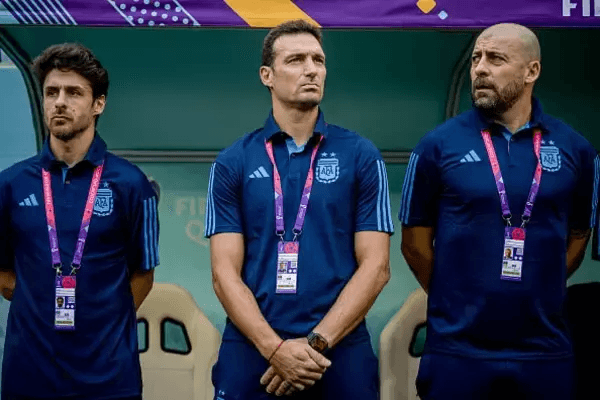
Cast your eyes toward the Argentina bench, and you find Pablo Aimar—the shy maestro from Río Cuarto, the singular childhood idol of Lionel Messi.
Beside him stand Wálter Samuel and Roberto Ayala.
An entire golden decade of La Liga and Serie A defending, quietly holding the line in reserve.
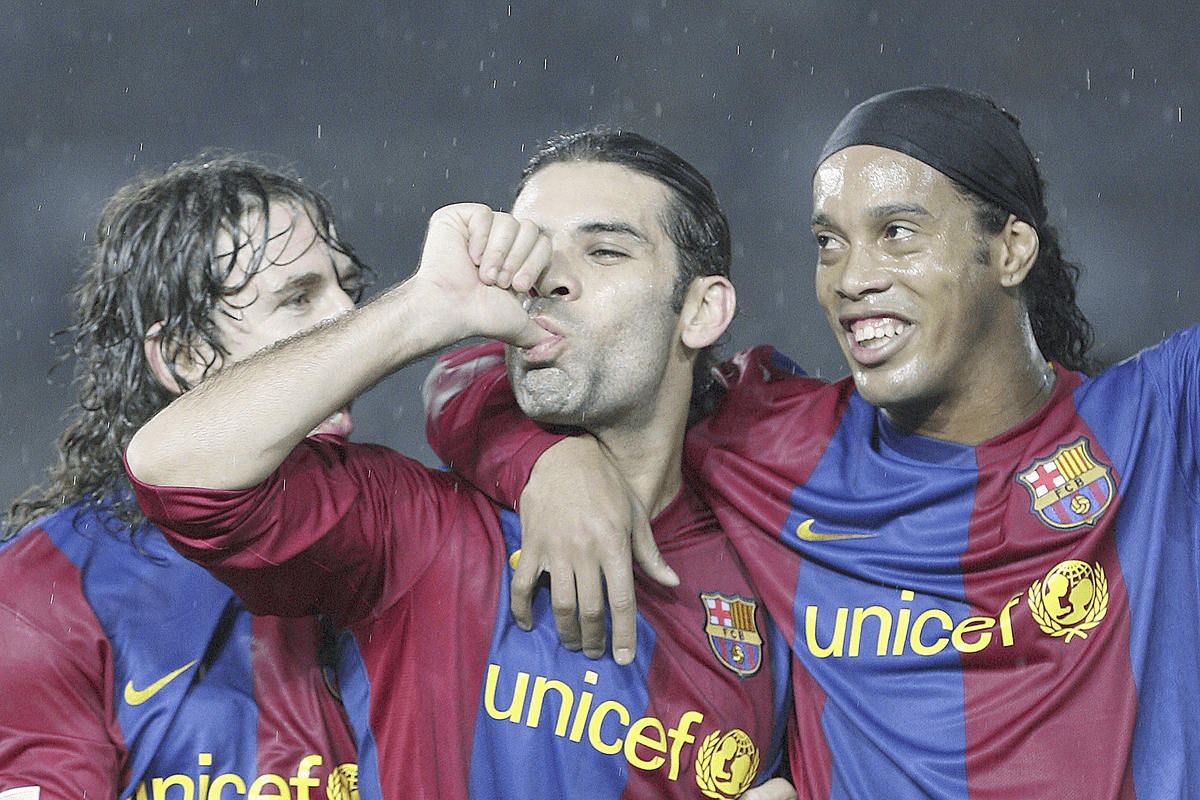
On the bench of co-hosts Mexico,
stands the weathered, battle-tested Javier Aguirre.
And seated right beside him as his right hand is the "Emperor of Michoacán," Rafael Márquez—the sovereign sweeper who anchored Barcelona's golden era and gave Ronaldinho the sanctuary to make the world smile.
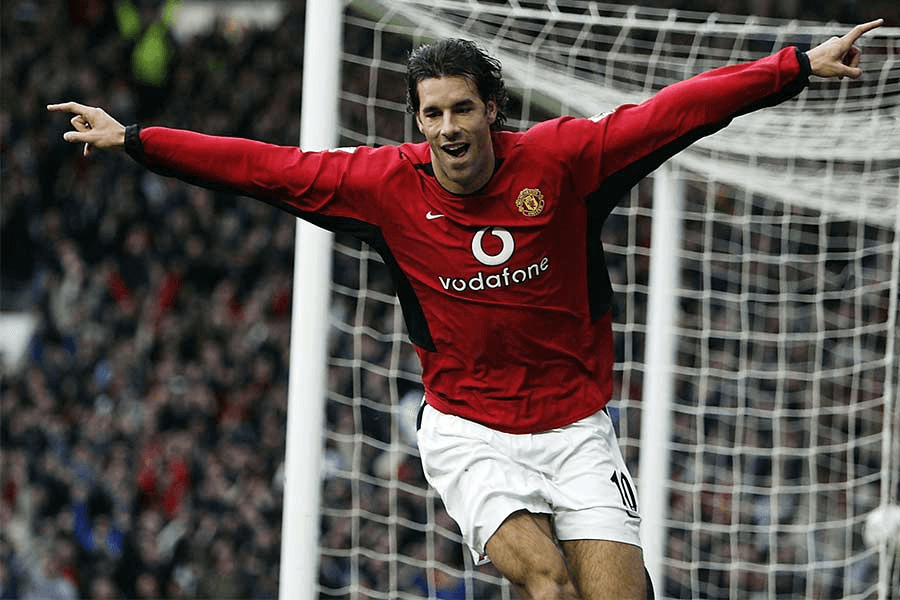
In the Netherlands dugout,
that peerless predator of the penalty box, Ruud van Nistelrooy, has joined the ranks this year.

For Portugal,
Ricardo Carvalho, the pinnacle of 2000s central defending, stands watch beside Cristiano Ronaldo in his final World Cup odyssey.
The Generals in the Technical Area: Icons Reborn as Managers
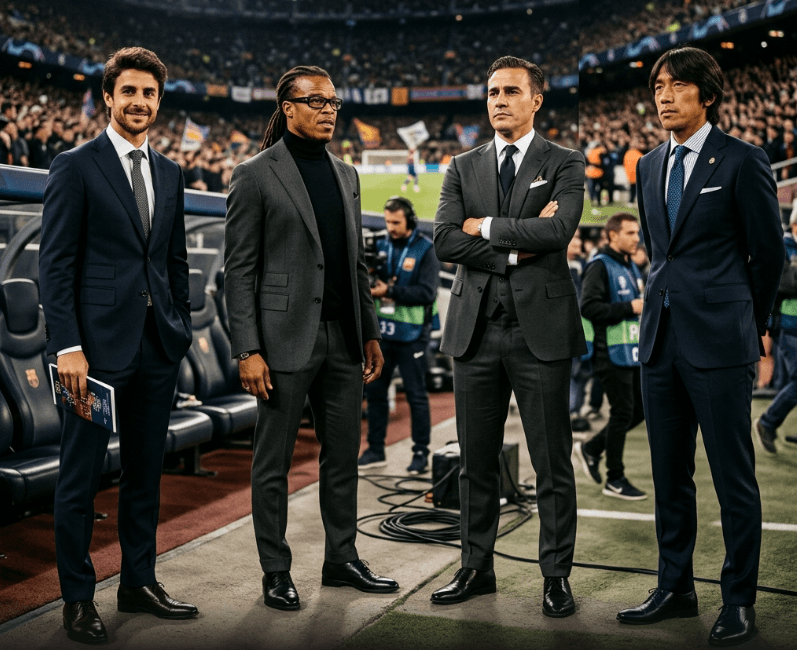
Even as the camera merely sweeps past the managers' technical areas, magnificent names leap into view one after another.
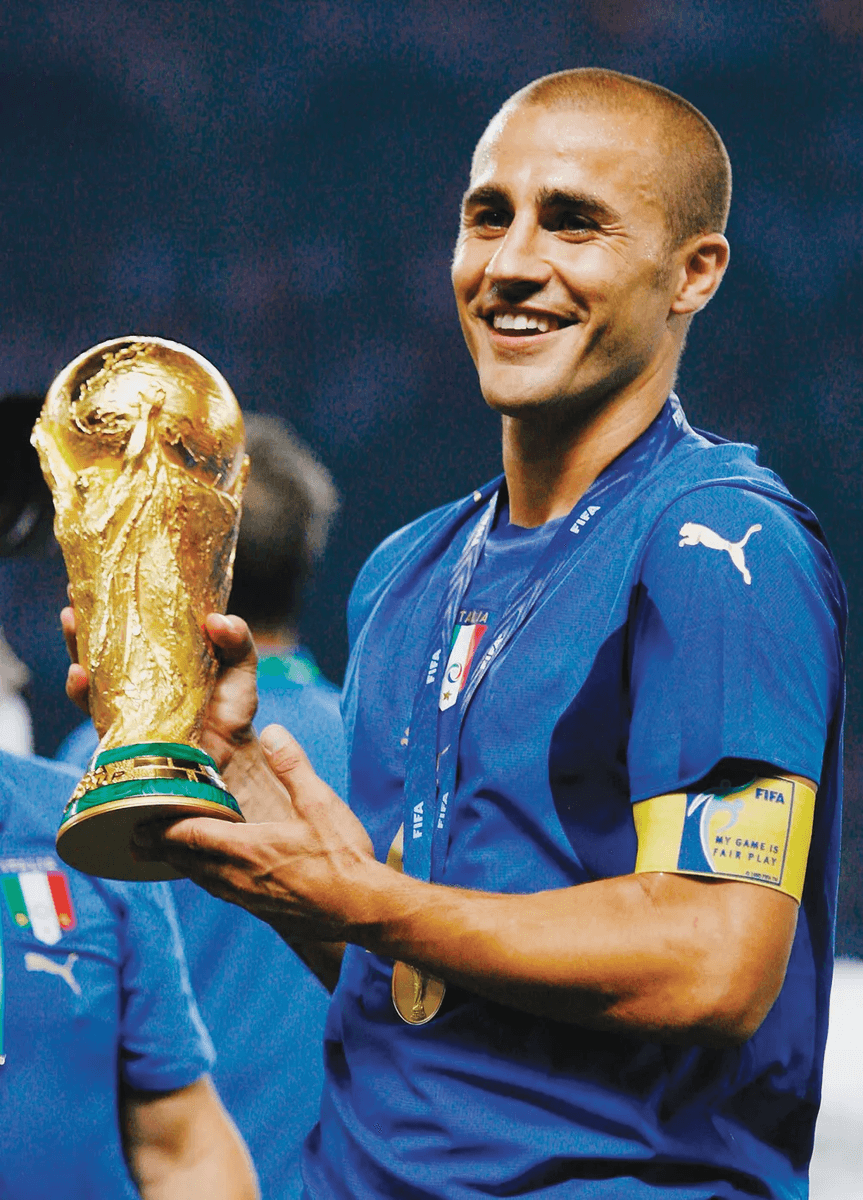
Leading tournament debutants Uzbekistan onto the grand stage is
Fabio Cannavaro—the last pure defender in football history to hoist the Ballon d'Or.
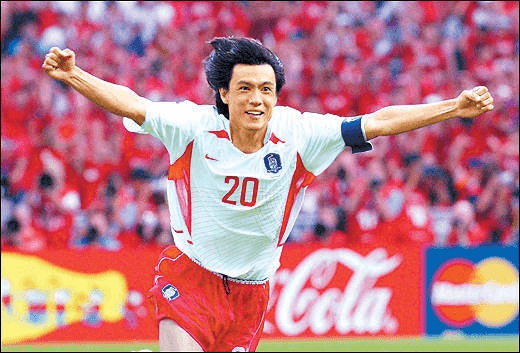
Guiding South Korea,
is Hong Myung-bo, the serene defensive rock of that unforgettable 2002 World Cup.

With Turkey,
stands Vincenzo Montella, Roma's beloved "L'Aeroplanino", who once forged an iconic partnership with Hidetoshi Nakata.
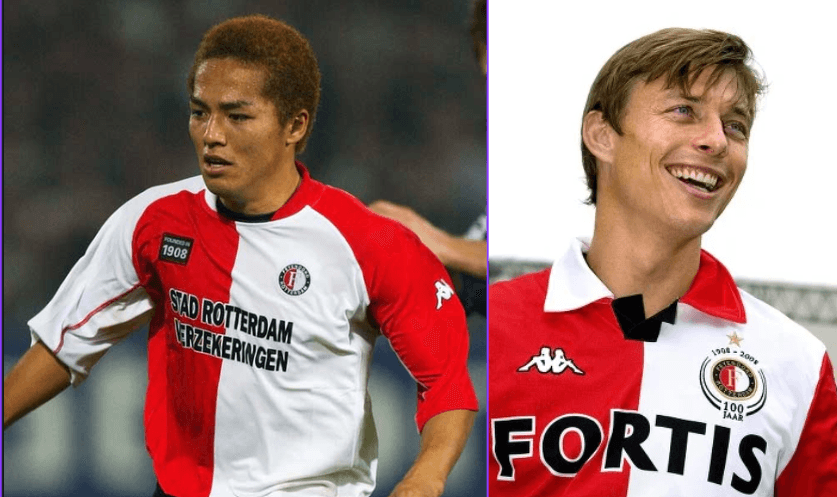
At the helm of Sweden,
Jon Dahl Tomasson, who conquered Europe alongside Shinji Ono at Feyenoord.
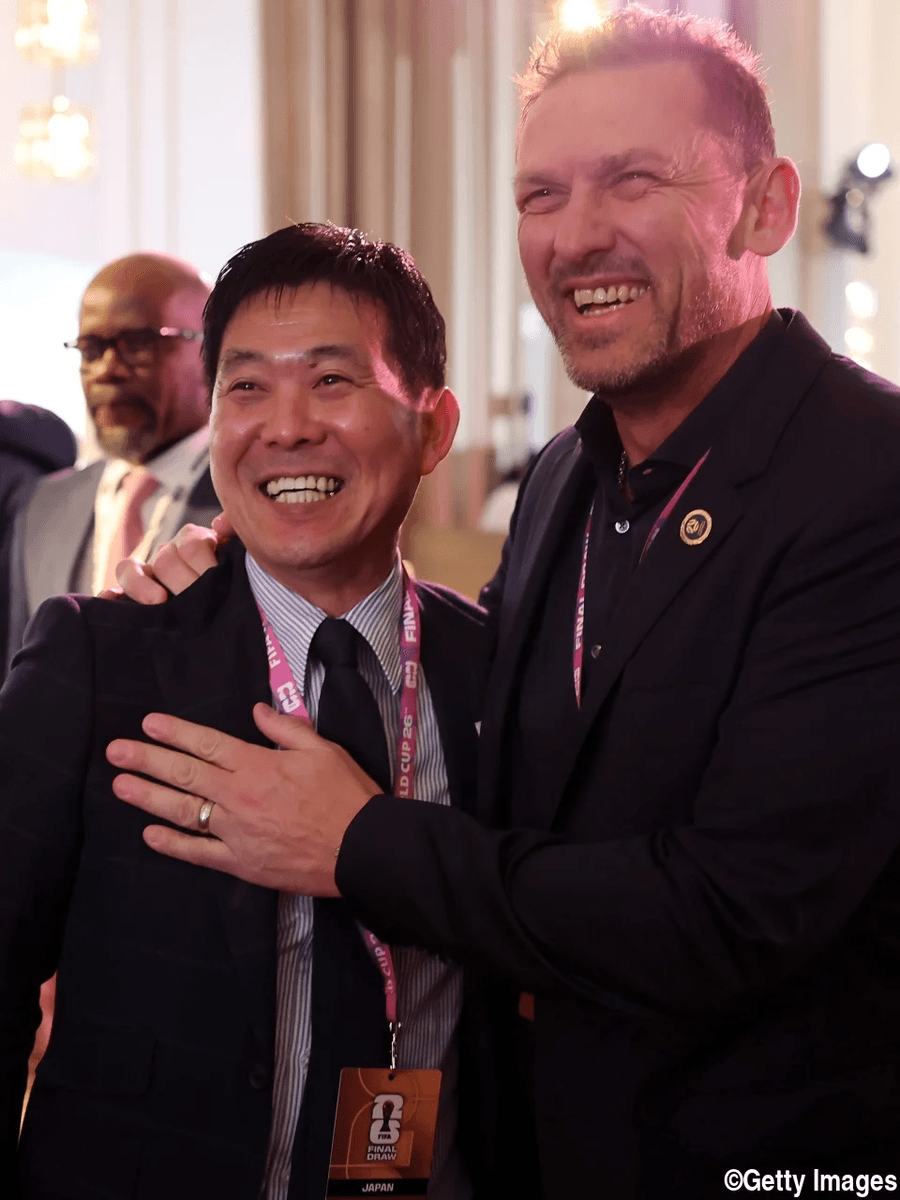
And steering Australia,
Tony Popovic, who once shared the pitch with Hajime Moriyasu in Hiroshima during their Sanfrecce days.
Each glimpse of the bench feels less like a modern fixture and more like a lavish reunion of an era we lived and breathed.
A Dugout Strained Under the Weight of History: Japan
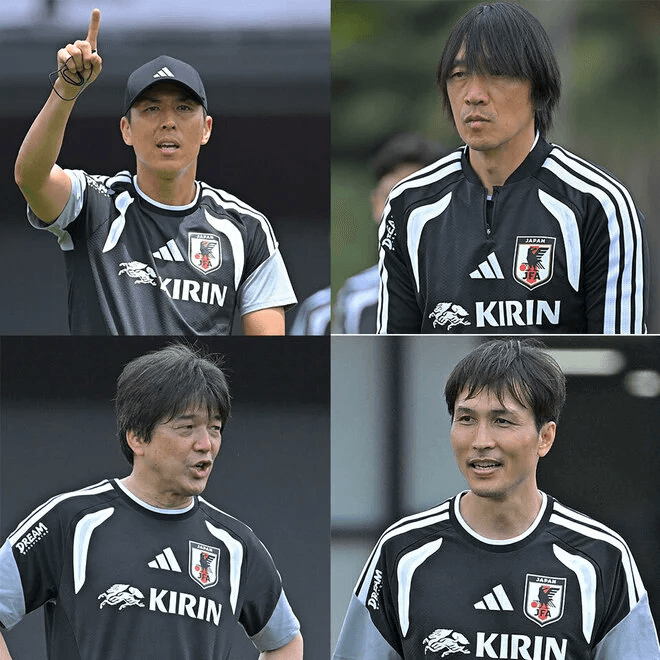
And finally, Japan.
In truth, one of the densest congregations of nostalgic royalty in this entire tournament belongs to Samurai Blue's bench.
The manager is Hajime Moriyasu (a man who lived through the Tragedy of Doha).
His coach is Hiroshi Nanami (the lyrical No. 10 of France '98).
His coach is Makoto Hasebe (captain across three consecutive World Cups).
His coach is Ryoichi Maeda (the selfless No. 9 of the Zaccheroni era).
And just before the tournament kicked off, Shunsuke Nakamura joined the technical staff.
Doha, Johor Bahru, South Africa, Qatar, and now the present. Thirty years of Japanese football history are compressed together onto a single dugout bench.
Once the referee whistles, our passions belong naturally to the pitch.
Yet in the quiet seconds before kickoff, or during the choreographed tension of a substitution, keep your eyes fixed on the edge of the broadcast frame.
Valencia's No. 10, the Emperor of Michoacán, the world champion captain of Berlin, and the left-footed artist of Yokohama—they are all there, standing vigil.
When the Bench Cannot Hold Them: Memory Ascends to the Stands
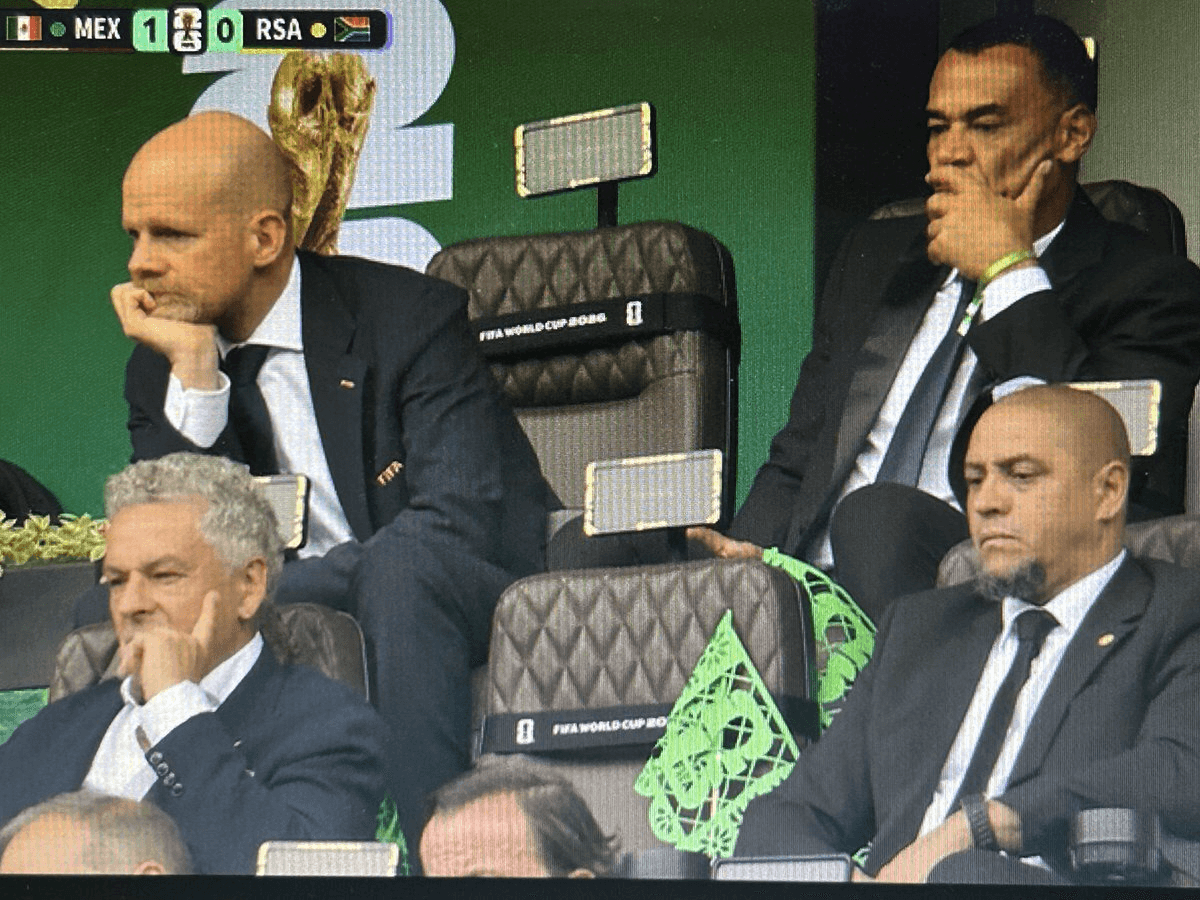
And one must never overlook the stands—the terraces, the grandstands, the VIP lounges.
Baggio.
Roberto Carlos.
O Fenômeno.
Beckham.
Maldini.
As is tradition with every tournament, the idols who could not fit onto the dugout bench have journeyed across continents to rally behind their nations.
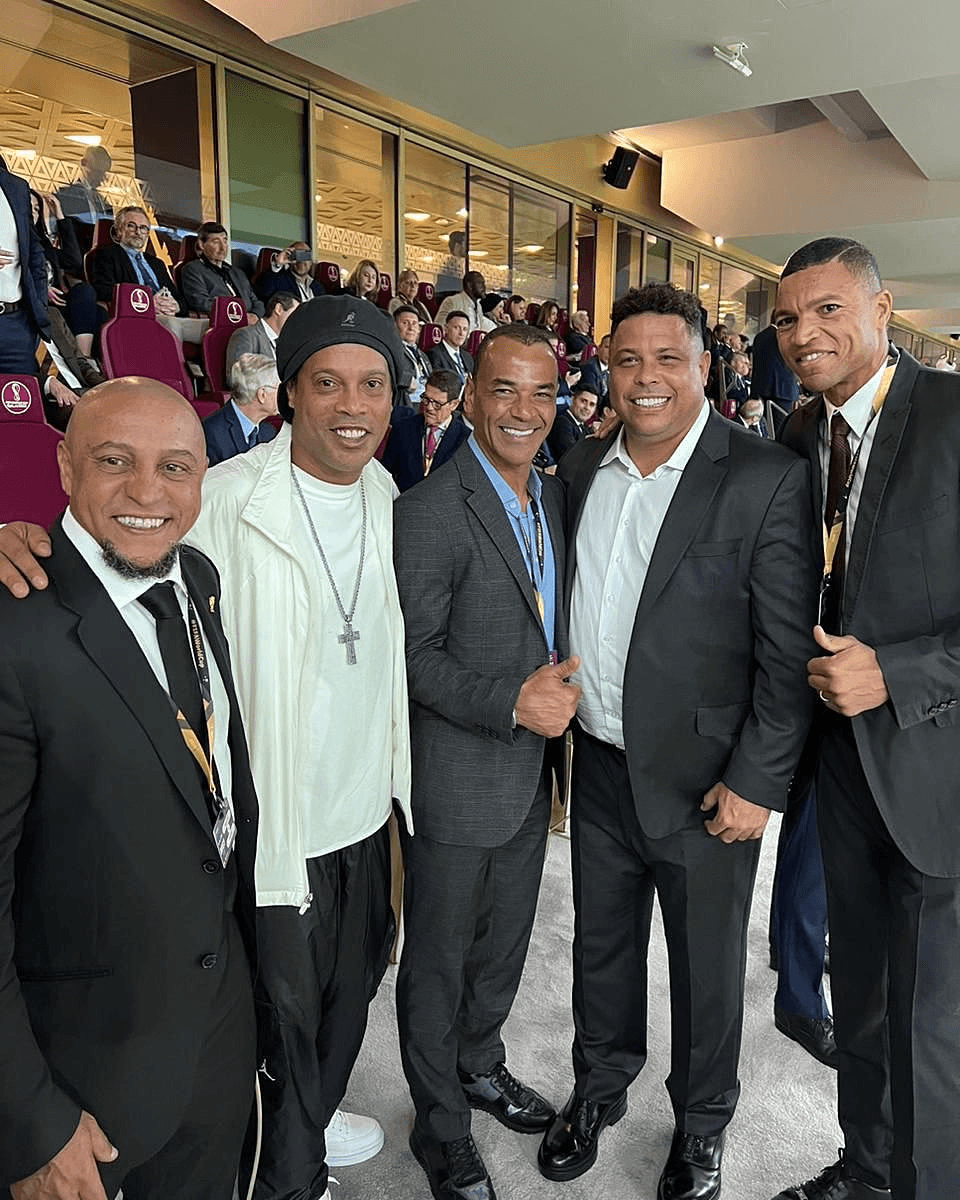
The instant the camera swivels toward the crowd, you will see the legends we worshiped living and dying with every pass, watching their successors inherit the earth.
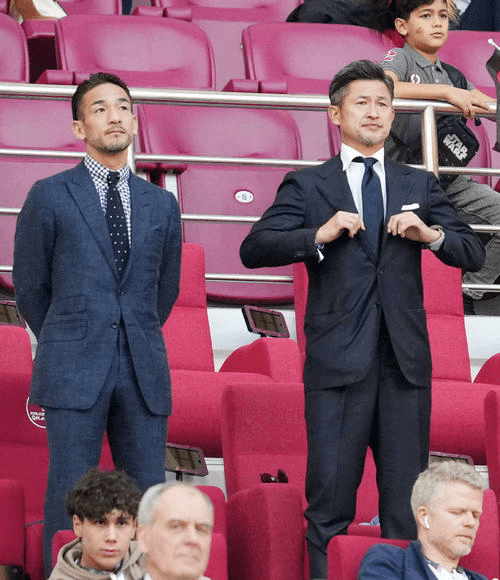
And naturally, Japan's own heroes are there in full force.
The duel on the pitch rightly commands our undivided attention. Yet scanning the benches and the terraces for the ghosts of football past remains one of the World Cup's sweetest, most poignant pleasures.
The 2026 World Cup,
even when watched from beyond the white lines, is endlessly fascinating.
Share this story