Reclaiming Lost Pride: The Obsessive Return of Football’s Exiles at the 2026 World Cup
Reclaiming Lost Pride: A Carnival of Reunion and Unyielding Will
The 2026 World Cup.
The historic expansion to a 48-nation format is far more than a bureaucratic multiplication of tournament berths.
It has become an epic theatre of reconquest—a grand reckoning where nations long cast out from football’s highest altar return to reclaim their stolen eras and wounded dignity.
Even Colombia, endowed with supreme technical pedigree, found themselves swallowed by the unforgiving mud of South American qualifying, making their return after a two-tournament hiatus a reminder of how merciless this journey truly is. Across every corner of the globe, through bloodied battles and swallowed humiliations, teams forged in collective national obsession have fought their way back onto the sacred pitch.
Let us first take measure of these reclaimed decades—the tickets seized through unyielding sacrifice that ended generations of exile.
・Haiti / 52-year absence / 13 editions
・DR Congo / 52-year absence / 13 editions
・Iraq / 40-year absence / 10 editions
・Norway / 28-year absence / 7 editions
・Scotland / 28-year absence / 7 editions
・Austria / 28-year absence / 7 editions
・Turkey / 24-year absence / 6 editions
・Czech Republic / 20-year absence / 5 editions
・Paraguay / 16-year absence / 4 editions
・New Zealand / 16-year absence / 4 editions
・South Africa / 16-year absence / 4 editions
・Algeria / 12-year absence / 3 editions
・Ivory Coast / 12-year absence / 3 editions
・Bosnia and Herzegovina / 12-year absence / 3 editions
・Sweden / 8-year absence / 2 editions
・Colombia / 8-year absence / 2 editions
・Egypt / 8-year absence / 2 editions
・Panama / 8-year absence / 2 editions
The blue-blooded giants of international football arrive with their intricate, chess-like tactical doctrines. Yet suddenly colliding onto that immaculate chessboard are these nations forged entirely of raw obsession and national pride. It is precisely this combustible, feverish friction that threatens to plunge the entire tournament into unprecedented, glorious pandemonium.
Avenging Half a Century of Silence: Primal Hunger (Haiti, DR Congo, Iraq)
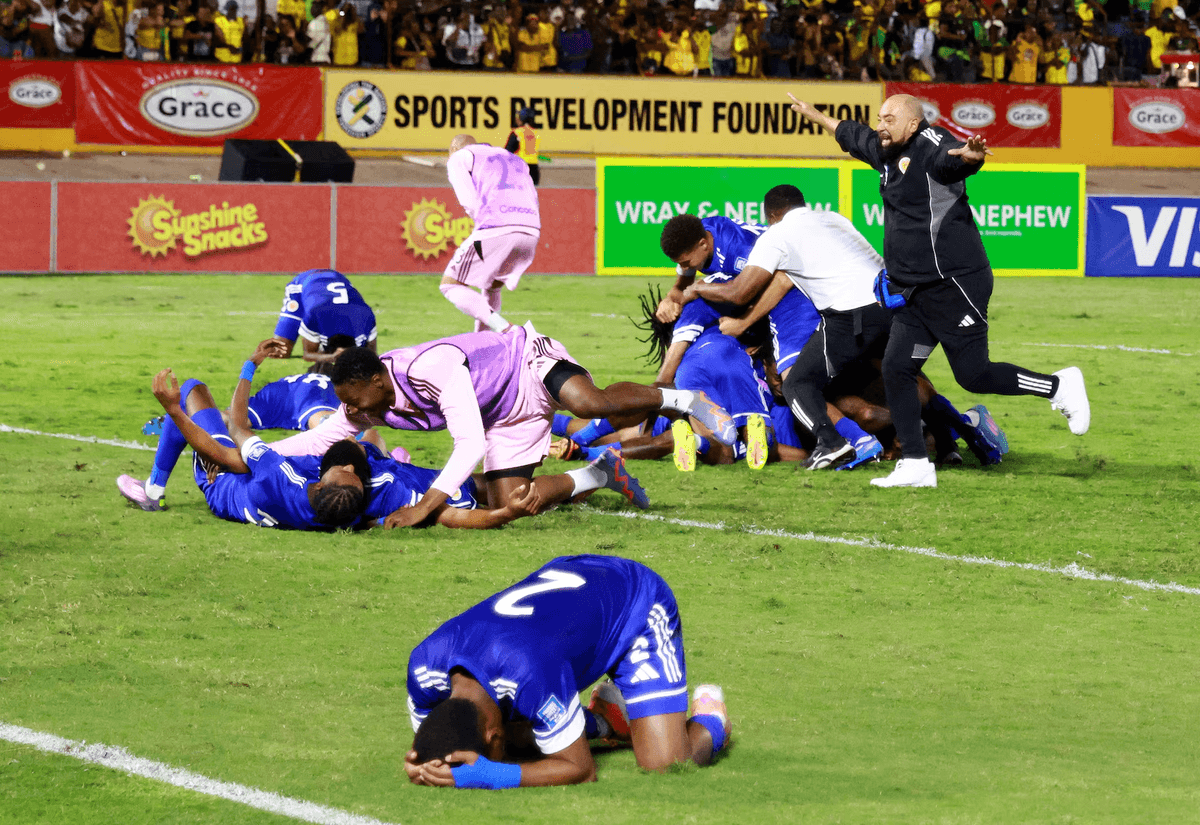
Since West Germany 1974, Haiti and DR Congo have endured half a century of deafening silence. And Iraq, emerging through four decades of unyielding famine, conflict, and heartbreak, step onto the grass bearing something far heavier than a kit: the restoration of a forgotten nation's pride.
With nothing left to lose, their game is built on explosive sprints, feral physical elasticity, and a fearless ferocity in every challenge. No matter how meticulously an opponent erects a tactical low block, these men charge forward to tear through it with the raw instinct of fifty years of repressed pride, rekindling the primordial flame of the sport.
European Assassins Shattering the Long Winter (Norway, Scotland, Turkey)

On the other side of the ledger stand European nations who spent 28 or 24 years wandering the wilderness, only to hone their blades through a bruising, generational rebirth. These are not merely sentimental returnees; they are cold-blooded assassins who smashed through UEFA’s brutal qualification walls with staggering talent and cold resolve.
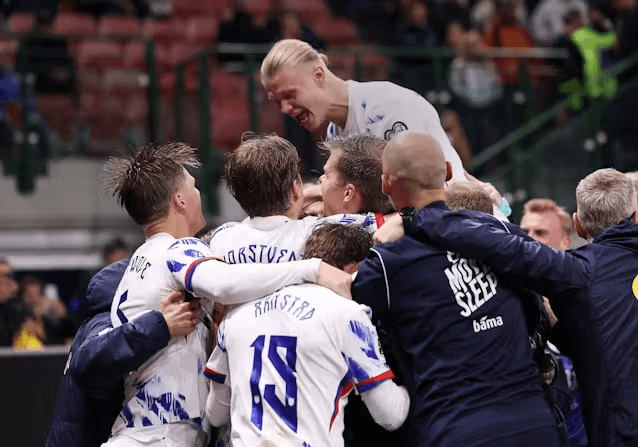
Norway arrive armed with Martin Ødegaard, who orchestrated an end to their eternal winter, and Erling Haaland, whose devastating finishing shatters both goal nets and opponents' dignity with elemental violence. Scotland infuse the side with the unyielding, high-octane intensity of the Premier League as their national spine, while Turkey rediscover their volcanic swagger through the surgical right boot of Hakan Çalhanoğlu and the unpredictable wizardry of Arda Güler.
Washing away decades of heartbreak, their football marries iron tactical discipline with flashes of unadulterated individual genius—the perfect spark to ignite monumental upsets across North America.
Grit Forged in the Mud: The Unbroken South American Soul (Paraguay, Colombia)

In the South American qualifiers—the most unforgiving swamp in world football—storied giants who had lost their footing have finally emerged from the subterranean darkness.
Even with Colombia’s lavish wealth of technical artistry, missing out on Qatar 2022 was an excruciating national trauma. Such is the ferocity of CONMEBOL. Yet after eight long years in purgatory, Los Cafeteros have returned hungrier, fiercer, and more lethal. Their vibrant, electric choreography—playing as though the ball itself were ablaze—is poised to captivate the world once more.
And then there is Paraguay, returning after sixteen agonizing years. They are the incarnation of blood-and-guts defiance: a bruising, impenetrable rearguard married to a counter-attack that slices ruthlessly into the opponent's jugular. That pathological obsession with victory, loathed by the world's aristocratic elite, once again reasserts the indomitable toughness of the South American continent.
Desert Delirium and the Lineage of Pure Fantasisti (Algeria)
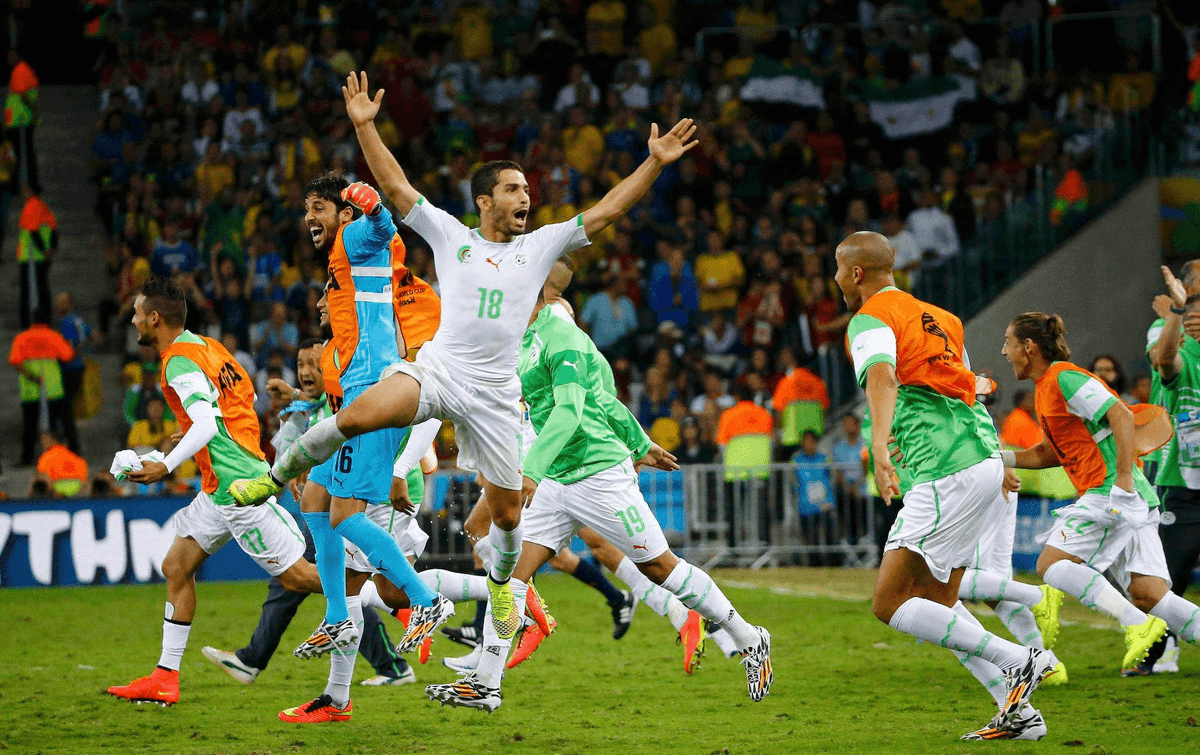
Yet if one seeks the dark horse destined to unleash beautiful chaos, pure sorcery, and an explosion of cultural identity, look no further than Algeria, returning after a twelve-year, three-tournament absence.
From the Parisian banlieues to the global stage, this is the fertile soil that birthed the genius of Rayan Cherki. It is a nation whose footballing DNA breathes an unconditional love for the ball, endlessly producing anarchic fantasisti who scoff at mechanical dogma.
In this edition, Algeria bring two irresistible virtuosos: Anis Hadj Moussa and Ilan Kebbal. Armed with iridescent magic in their left boots, capable of dismantling balance and shredding low blocks in phone-booth spaces, their play is a joyful rebellion against contemporary data-obsessed orthodoxy.
Having washed away the bitter tears of their previous heartbreak, they marry the scorching heat of North Africa with the technical refinement of the French academy. Every time the ball rests at their feet, the arena is consumed by the wild delirium of the desert, rendering the opponent’s rigid blueprints utterly useless in a single flash of inspiration.
Intersecting Decades of Obsession—and the Deafening Silence of the Azzurri
Fifty-two years of waiting meeting eight years of hunger. Nations separated by geography, style, and folklore converge upon the very same patch of grass, bound by a singular, burning fixation: the reclamation of stolen dignity.
In an era where GPS metrics and passing completion models claim to govern the pitch, the unpredictable collision engineered by these nations of long memory provides the essential antidote. It is the very spice that shatters rigid tactical dogma and plunges the tournament into pure delirium.
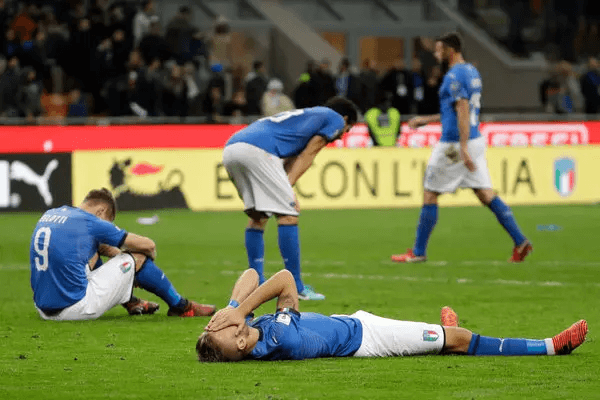
Yet far removed from this festival of wild reclamation, cloaked in heavy, suffocating silence, lies one tragic absentee: Italy. A nation that is the very embodiment of World Cup mythology itself, stranded in purgatory for a third consecutive edition, unable to reclaim its rightful epoch.
Gazing across the Mediterranean breeze, watching these ravenous outsiders dance in ecstasy through the cold glass of a television screen, what thoughts must torment the Azzurri? As forgotten nations reclaim their lost glory to the deafening roar of the stands, a fallen monarch weeps in complete silence. The brighter the sun illuminates the festival, the deeper and colder the shadows fall. And it is only through this cruel, operatic contrast that the tapestry of the World Cup is truly completed.
Share this story