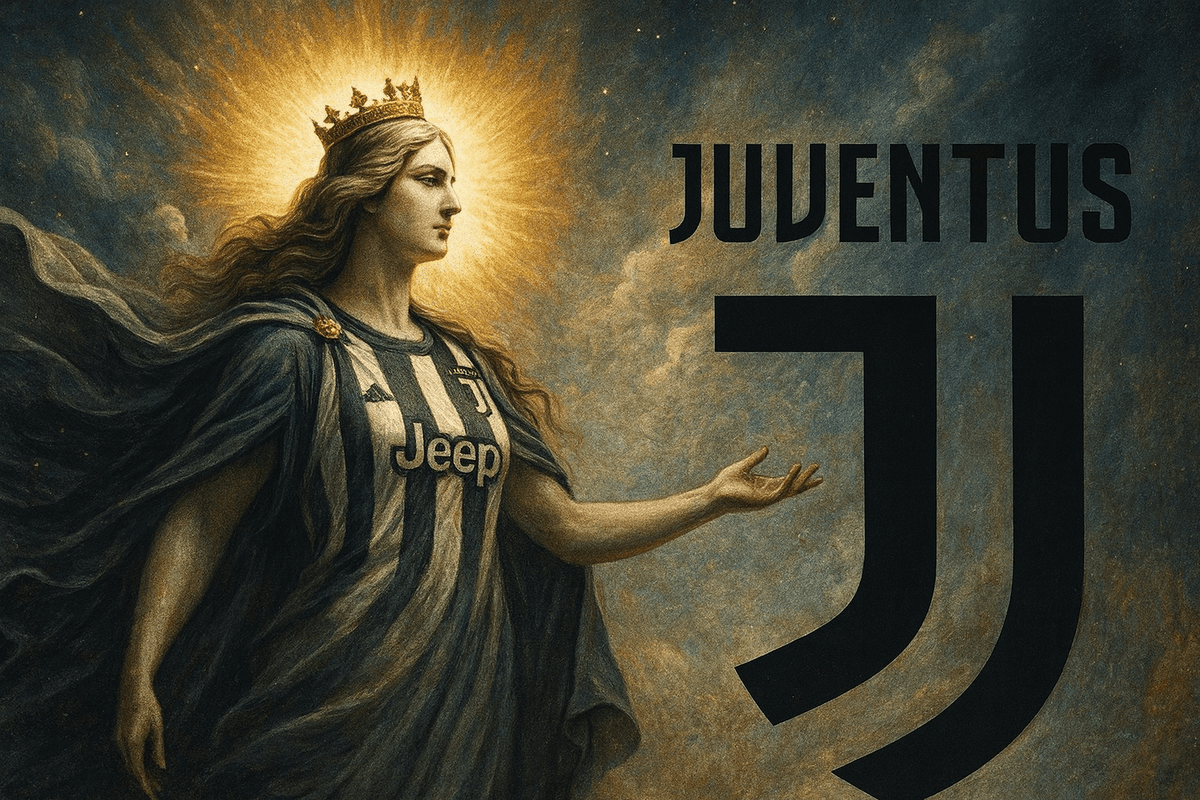
Why She Is Called "The Old Lady": The Aristocratic Soul, Aesthetics, and Number 10 Dynasty of Juventus
Reigning majestically over Turin stands the black and white colossus: Juventus.
Among its manifold monikers, none resonates with greater aristocratic cadence among football lovers worldwide than
“La Vecchia Signora (The Old Lady)”
Literally, "The Old Lady."
Why was a football club christened with an epithet of such regal grace?
The answer weaves deep Italian cultural traditions into the centurylong chronicle of a sporting empire.
Origins: From High-School Dream to the Symbol of Italy
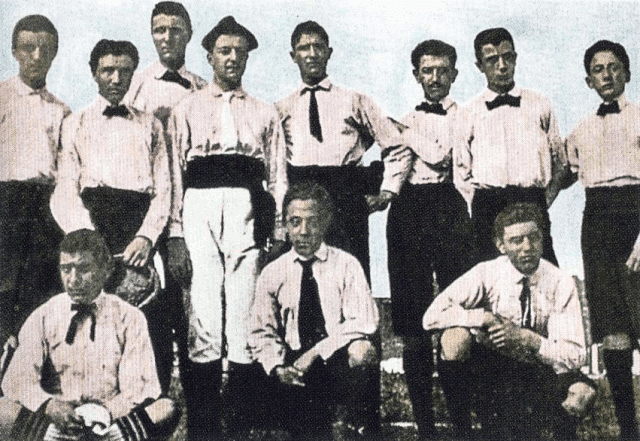
In the autumn of 1897, a circle of Turin schoolboys seated upon a bench on Corso Re Umberto decided to kick a leather ball. That was how the Juventus epic began.
The word “Juventus” derives from the Latin for “Youth.”
In those innocent early years, they played as amateurs, sporting shirts not of stark monochrome, but of delicate pink.
With the dawn of the 20th century and substantial patron support, the club blossomed rapidly, evolving by the 1920s into a domestic powerhouse.
That dominance soon spilled beyond the Alps, commanding reverence across the continent.
In an ironic paradox to a name that signified raw youth, Juventus acquired the gravity, poise, and experience of an established patriarch—the quintessential “grown-up” institution of Italian calcio.
The Birth of an Epithet: “The Old Lady”
🇮🇹ユヴェントスファンのおばさま
— Trivela 🇵🇹🇮🇹ファンタジスタ愛好家 (@Trivela_Futebol) December 19, 2024
長年ファンを続けるも
人生で一度も行った事がなかった
アリアンツ・スタジアムに招待され
アイドル デルピエロさんに会える幸せを叶える🥹
企画したユヴェントスさん、素敵やん🥹❤️ pic.twitter.com/3Pj9NK8WmI
The romantic appellation “La Vecchia Signora” gained widespread currency in the 1970s,
quietly adopted by Italian commentators and tifosi as a natural salute to the club's majesty.
Here, “Vecchia” (Old) was never an insult to senility; it was a veneration of longevity, timeless tradition, and ancestral prestige.
And “Signora” (Lady) was an honorific reserved for a matriarch who commands grace, dignity, and quiet authority.
Combined, “The Old Lady” captured with immaculate poise the historic stature of a century-old institution.
Linguistic nuance adds a touch of wit: while most Italian football clubs are masculine nouns (il Milan, l'Inter, il Napoli), Juventus is grammatically feminine.
Addressing this eternal matriarch with the respectful title of “Signora” tickled the romantic sensibilities of Italian journalists and fans alike.
Monochrome Elegance: The Visual Poetics
In 1903, Juventus traded their faded pink jerseys for bold black and white stripes.
The shift arose pragmatically: the early shirts faded badly in the wash, prompting an English squad member to import sturdier black-and-white wool kits from Notts County.
White for purity, rectitude, and the noble spirit of sportsmanship.
Black for granite resolve, strength, and unwavering ruthlessness.
The interplay was as striking as formal evening wear at a grand ball, transforming eleven athletes into the gallant court of a noble Signora.
Cultural Nuances: What “Signora” Means in Italy
In the Italian vernacular, “Signora” is never a casual reference to a woman.
In society, it denotes an aura of unquestioned stature, impeccable poise, and hereditary respect.
It is reserved solely for those whose very presence alters the temperature of a room.
Through this lens, “La Vecchia Signora” is a cultural salute to an institution that fiercely defends its prestige and decorum.
Even amid the ferocious, gladiatorial violence of professional football, Juventus retained an aristocratic aura of timeless style.
The Lineage of the Number 10: Fantasisti of the Matriarch

To narrate Juventus is impossible without chronicling the fantasisti who wore the iconic number 10.
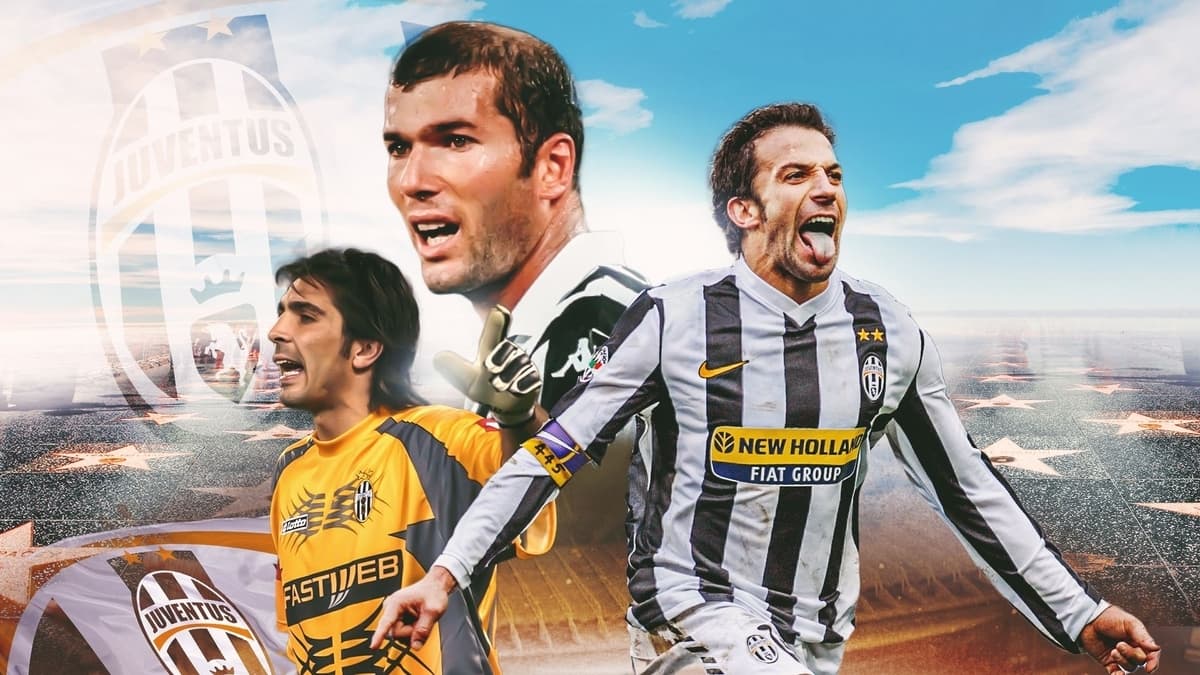
Boniperti, Platini, Baggio, Del Piero, Dybala…
These artists did not merely dictate tactics; they captured imaginations and breathed operatic drama into every fixture.
In Turin, the number 10 is far more than an attacking digit.
He was the premier gentleman invited to partner the Lady in her grand waltz—the supreme aesthetic interpreter of her philosophy.
An Era Balancing Steel and Symphony

Juventus mastered the delicate art of synthesizing cold pragmatism with visual splendour.
Under Trapattoni, ironclad defensive geometry reigned; under Lippi's golden era, champagne attacking power flourished.
At the epicenter stood Alessandro Del Piero: velvet dribbles, curling free-kicks, and the fatal stroke that completed the Old Lady’s choreography.
His artistry was the living embodiment of Juventus’ ethos—triumph wedded to grace—ennobling the number 10 jersey with timeless majesty.
Ageless Beauty: The Future Written in the Number 10
Epochs turn; managers and players take their leave.
Yet the club's twin compass points—the hunger for victory and an innate sense of dignity—never fade.
Their living vessels have always been the masters of the number 10.
Boniperti, Platini, Baggio, Del Piero, Dybala…
Men who brought not only trophies, but who splashed vivid colors onto the club's austere black and white canvas.
Now, another prodigy steps forward to inherit the mantle.
Kenan Yıldız—running free with daring imagination at nineteen, heralding the arrival of a new dawn.
As he takes up the number 10 for the Old Lady, the football world watches eagerly to see how this grand chronicle unfolds.
The monochrome dance never concludes.
Ageless and ever beautiful: such is the destiny of the Matriarch of Turin.
Share this story